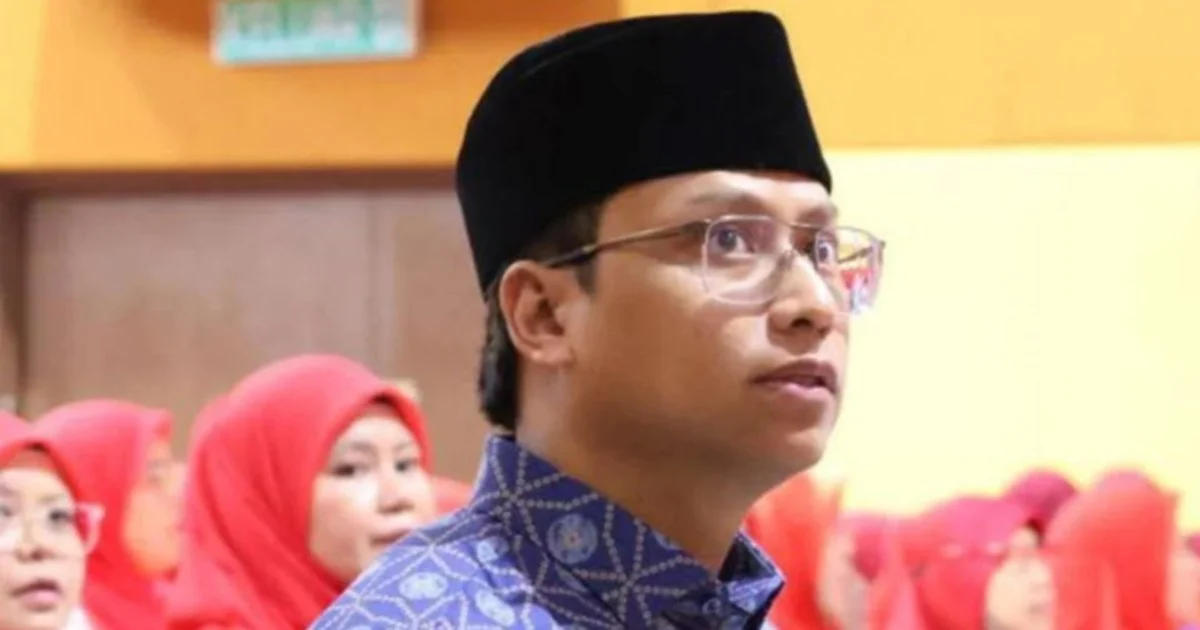
The son of former Umno Supreme Council member Datuk Dr Mohd Puad Zarkashi has stepped into the controversy surrounding his father's comments on the party, framing them as constructive criticism rooted in a desire to safeguard the organisation's future. Speaking at a time when Umno continues to navigate internal tensions and leadership debates, the younger Puad has argued that his father's observations deserve consideration rather than dismissal, positioning them as part of broader discussions about where Malaysia's oldest political party is headed in coming years.
Datuk Dr Mohd Puad Zarkashi, who held significant influence within Umno's decision-making structures as a Supreme Council member, has in recent periods made statements regarding the party's trajectory that drew scrutiny from party elders and other senior figures. These comments touched on sensitive aspects of Umno's current positioning and strategic choices, matters that typically provoke strong reactions within the party's rank-and-file membership. The emergence of his son as a public defender of these remarks suggests the family views them not as provocations but as legitimate contributions to internal dialogue.
The younger Puad's intervention carries particular weight given the hierarchical nature of Umno's internal culture, where statements from former senior figures can either be embraced as wisdom or rejected as interference depending on the political climate. By casting his father's remarks as future-focused rather than critical in a pejorative sense, he attempts to reframe the narrative away from potential accusations of disloyalty or undermining current leadership. This rhetorical strategy is common among defenders of contentious party figures in Malaysia, where intra-party criticism often triggers accusations of factionalism.
Umno, which was founded in 1946 and dominated Malaysian politics throughout the post-independence era, has faced considerable challenges in recent years, including electoral setbacks, internal leadership contests, and questions about its relevance in a rapidly changing political landscape. The party's membership has witnessed generational shifts, with younger members increasingly questioning traditional approaches to governance and political strategy. Against this backdrop, interventions from former senior figures like Datuk Dr Mohd Puad Zarkashi often serve as proxies for deeper disputes about the party's future identity and direction.
The reference to historical judgment suggests an implicit confidence that time will vindicate the observations and recommendations made by the former Supreme Council member. This framing shifts the debate from immediate party politics into a longer temporal perspective, inviting readers and party members to consider whether current decisions will appear wise or misguided to future generations of Malaysians and Umno adherents. Such appeals to posterity are particularly resonant in Malaysian political discourse, where legacy and historical standing carry significant weight in evaluating political figures and their contributions.
The dynamics surrounding these remarks reflect broader tensions within Umno between traditionalists who favour existing power structures and reformers who believe the party must adapt to remain competitive. The involvement of Datuk Dr Mohd Puad Zarkashi, a figure with deep roots in the party hierarchy, suggests these are not marginal concerns but issues that resonate with figures who have spent decades navigating Umno's corridors of power. His son's public defence indicates the family considers the stakes sufficiently high to engage in what amounts to a public relations effort on behalf of his father's reputation.
Malaysia's political observers have long noted that Umno's internal dynamics frequently foreshadow broader developments in national politics, given the party's historical dominance and continuing influence through its participation in governing coalitions. Disputes about party direction thus carry implications beyond internal organisation management, potentially affecting policy priorities and coalition stability at the national level. The Puad controversy, while not front-page news, sits within these larger currents of change and adaptation affecting Malaysia's premier Malay-Muslim political organisation.
The younger Puad's intervention also reflects a pattern common in Malaysian politics whereby family members and close associates defend prominent figures when they face organisational pressure or public criticism. Such defences often carry greater credibility than public statements from the figures themselves, who can be accused of self-serving rhetoric. By having his son articulate the defence, Datuk Dr Mohd Puad Zarkashi implicitly maintains a certain dignity and distance from the controversy, allowing his family to carry the argument forward.
Looking ahead, the manner in which Umno's leadership and broader party structures respond to these interventions from former senior figures will indicate how receptive the organisation remains to internal critique and adaptation. Should the party leadership treat such remarks as genuine contributions to strategic thinking, it may signal openness to renewal. Conversely, if such comments are systematically suppressed or dismissed, it could suggest a party organisation resistant to self-reflection and external perspectives on its future path. For Malaysian readers following Umno's evolution, these dynamics carry implications for political stability, coalition management, and the broader question of how Malaysia's traditional power structures adapt to contemporary challenges.

