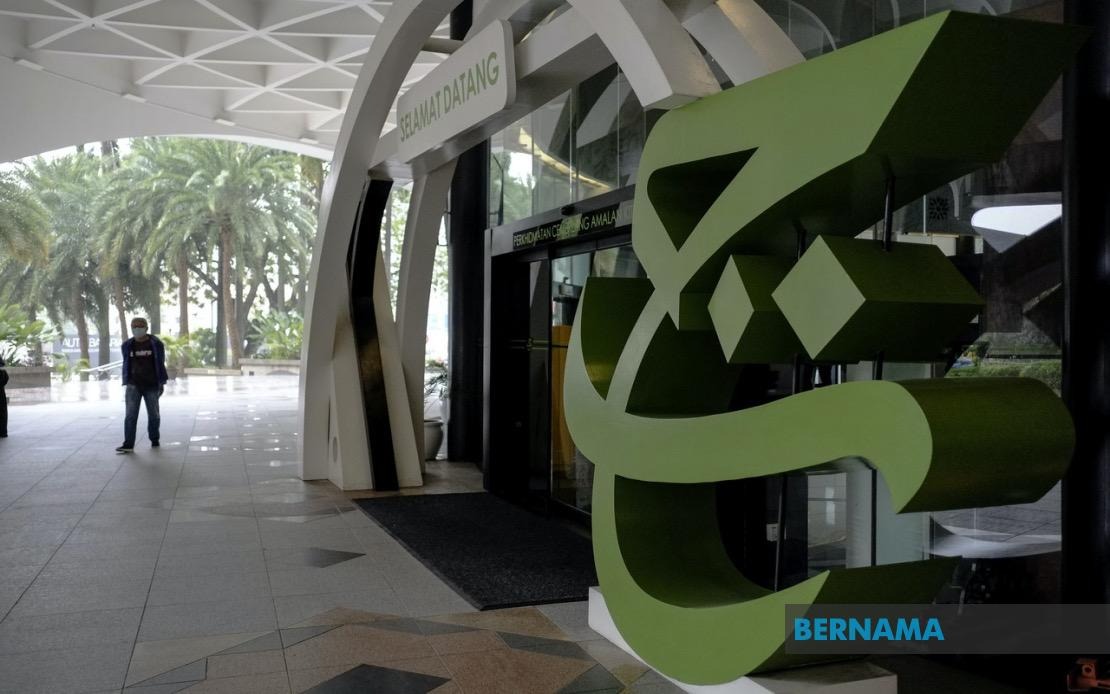
The Royal Commission of Inquiry report into Tabung Haji represents a watershed moment for Malaysia, one that should conclusively end the troubled period in the institution's management and usher in an era of genuine transparency and ethical governance centred on serving the Muslim community. This sentiment was articulated by Muhammad Kamil Abdul Munim, political secretary to the Finance Minister, who emphasised that the findings constitute a critical reckoning with the institution's troubled past.
In his statement, Muhammad Kamil stressed that exposure of misappropriation at Tabung Haji carries profound significance beyond institutional reform. The institution has been entrusted with one of the most sacred responsibilities in the Islamic faith — safeguarding the savings of Muslims who have dedicated themselves to fulfilling the fifth pillar of Islam through the hajj pilgrimage. When this trust is allegedly exploited by certain groups for personal gain, the breach extends far beyond financial loss to encompass a violation of religious and communal sanctity.
Central to Muhammad Kamil's argument is the principle of public transparency regarding institutional wrongdoing. Every ringgit held within Tabung Haji represents not discretionary wealth or surplus capital, but rather the accumulated fruit of genuine sacrifice and labour. These deposits originate from diverse sources of honest work — rubber tappers in Malaysia's agricultural heartland, rice farmers in rural paddies, orchard workers, taxi drivers navigating city streets, and small business operators operating on thin margins. Each depositor shares a unified motivation: the aspiration to become a guest of Allah through the sacred pilgrimage.
The political secretary's framing of these savings as sacred trusts rather than mere financial transactions fundamentally reframes the discourse around accountability at Tabung Haji. When institutional leadership handles such trust negligently or fraudulently, the damage inflicted extends beyond balance sheets and audit reports. What is ultimately betrayed is the accumulated hope and sacrifice of millions of Muslim Malaysians who have patiently and diligently saved across years, sometimes decades, to realise their religious obligation. This collective dimension of the breach explains why transparency regarding institutional failures becomes not merely a matter of good governance but a moral imperative.
Muhammad Kamil's statement reveals an important strategic choice made by the current administration. The MADANI Government, despite recognising that some quarters would prefer the institution's troubled history to remain concealed and fade from public memory, has opted instead for the more difficult path of revelatory honesty. This decision acknowledges that institutional credibility cannot be reconstructed through selective disclosure or reputational management. Rather, it demands acknowledgment of systemic failures and a demonstrated commitment to holding those responsible to account, regardless of their previous administrative positions or political affiliations.
The refusal to protect individuals or groups implicated in Tabung Haji's mismanagement signals a departure from previous governance approaches that sometimes prioritised political considerations over institutional integrity. By explicitly rejecting the option to defend the image of preceding administrations, Muhammad Kamil indicates that the current government recognises accountability as a prerequisite for institutional rehabilitation and public trust restoration. This stance proves particularly significant given Malaysia's historical experience with high-profile institutional scandals where political considerations occasionally tempered the pursuit of full accountability.
For Malaysian Muslims and the broader public, the RCI report's findings hold implications extending beyond Tabung Haji's internal operations. The institution manages a substantial portion of the Muslim community's financial assets and plays a central role in facilitating one of Islam's most important religious obligations. Any systemic failures in its management directly affect millions of individuals and families planning their religious futures. The transparency that Muhammad Kamil champions becomes therefore not an abstract governance principle but a practical necessity enabling individual Muslims to make informed decisions about their savings and religious commitments.
The political secretary's emphasis on concluding Tabung Haji's dark chapter and beginning anew reflects recognition that institutional reform requires both historical reckoning and future-oriented restructuring. Merely identifying past wrongdoing without implementing systematic changes to prevent recurrence would represent an incomplete response. The aspiration toward an institution that is more transparent, genuinely upholds integrity, and remains centred on Muslim community interests therefore encompasses both punitive and preventive dimensions — acknowledging what went wrong while establishing mechanisms to ensure such failures cannot recur.
From a regional Southeast Asian perspective, Malaysia's handling of the Tabung Haji situation offers insights into approaches to institutional accountability within Islamic governance contexts. Other Muslim-majority nations in the region grapple with similar challenges of managing religiously significant institutions while maintaining financial integrity and public trust. The transparency demonstrated through the RCI process and the government's commitment to accountability provide a model that prioritises institutional legitimacy over short-term political convenience.
The coming period will determine whether Muhammad Kamil's aspirations for Tabung Haji's transformation prove achievable. The institution's rehabilitation depends not only on identifying past failures but on implementing concrete governance reforms, enhancing oversight mechanisms, and demonstrating sustained commitment to the Muslim community's interests. The RCI report itself represents only the beginning of a longer process through which Tabung Haji must rebuild credibility with the millions of Muslims whose life savings and religious aspirations remain entrusted to its stewardship.

