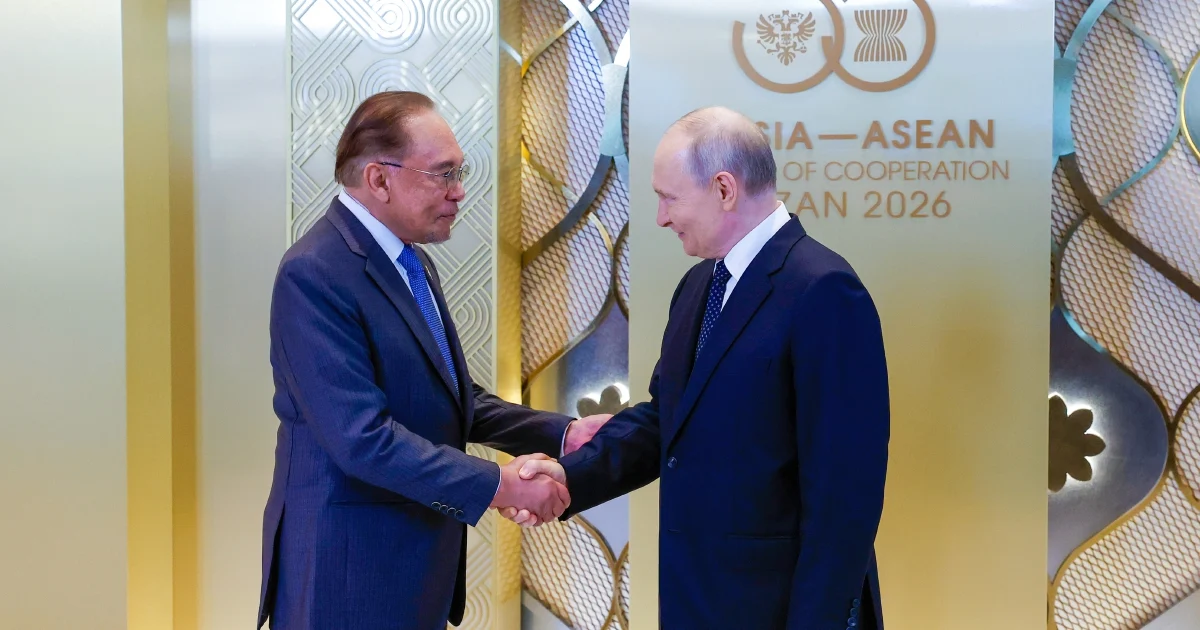
Prime Minister Datuk Seri Anwar Ibrahim announced today that Malaysia has received assurances from Russia on delivering consistent energy supplies over an extended period, marking a significant step in the country's broader strategy to diversify its energy sources and strengthen ties with major producing nations. Speaking in Bintulu, the Prime Minister highlighted how these commitments reflect Malaysia's proactive approach to managing future energy demands and insulating the economy from supply uncertainties that could disrupt growth and development.
The announcement comes at a time when Southeast Asia faces mounting pressure to secure reliable energy to power rapid industrialisation and rising electricity consumption. Malaysia, as a major regional player with substantial energy requirements, has positioned itself to tap into multiple sources rather than relying on any single supplier. This diversification strategy mirrors global best practices adopted by developed economies seeking resilience in their energy portfolios. By cultivating relationships with Russia and other significant producers, Malaysia is constructing a more balanced energy supply architecture that reduces vulnerability to geopolitical disruptions or market volatility.
Russia's commitment to Malaysia extends a pattern of energy cooperation already evident across several Asian markets. The nation's vast hydrocarbon reserves and established export infrastructure make it an attractive partner for countries seeking stability in energy transactions. For Malaysia specifically, long-term supply agreements can translate into more predictable pricing structures and secure access to resources needed for both domestic consumption and industrial applications. The timing of this assurance is particularly relevant given ongoing concerns about energy availability and cost pressures affecting manufacturers and consumers throughout the region.
The statement reflects a calculated diplomatic manoeuvre by Malaysia's leadership to position the nation as an independent actor capable of forging partnerships across different geopolitical blocs. Rather than aligning strictly with Western suppliers or remaining dependent on traditional regional sources, Malaysia is asserting its capacity to negotiate directly with major powers. This approach offers flexibility and demonstrates the country's recognition that energy security transcends ideological considerations. For businesses and investors assessing the Malaysian economy's long-term stability, such partnerships provide assurance about industrial continuity and operational reliability.
Energy security remains fundamental to Malaysia's broader economic ambitions. The manufacturing sector, which drives substantial export revenues and employment, demands consistent power availability at competitive rates. Agriculture, logistics, and increasingly the digital economy all depend on reliable electricity and fuel supplies. Without secured access to energy, Malaysia risks losing competitive advantage in regional and global markets. The Russian commitment therefore addresses not merely environmental or technical concerns, but economic fundamentals that underpin prosperity and job creation across multiple sectors.
Anwar's comments underscore the government's recognition that strategic energy partnerships must be cultivated at the highest political levels. Bilateral discussions with major energy-producing nations ensure that supply arrangements are protected by strong diplomatic relationships and formal agreements. Such high-level engagement signals to international energy markets that Malaysia is a serious, reliable consumer capable of making long-term commitments. This stability attracts investment from energy companies and gives regional enterprises confidence in planning major projects requiring substantial power inputs.
The diversification strategy has implications extending beyond Russia. Malaysia continues exploring partnerships with Middle Eastern producers, Central Asian suppliers, and other major exporting nations. This multi-directional approach prevents over-dependence on any single source and provides negotiating leverage. Should disruptions occur with one supplier, alternatives remain available. For a trading nation like Malaysia, which operates within complex international supply chains, such resilience protects not only domestic industries but also Malaysia's reputation as a reliable regional hub for manufacturing and commerce.
Russia's assurances also reflect mutual commercial interests. Malaysia represents a significant market for energy exports, and securing long-term buyers provides revenue predictability for Moscow. Energy agreements typically involve multi-year contracts with substantial financial commitments, benefiting both parties through shared certainty about future cash flows and business planning. These mutual interests create incentives for both governments to maintain stable relations and resolve any disagreements through dialogue rather than confrontation.
Anwar's announcement resonates particularly with Malaysian business leaders and investors who consider energy costs and availability when making investment decisions. Manufacturing competitiveness depends partly on power costs, which in turn reflect supply security and pricing arrangements. Companies contemplating expansion or relocation monitor government efforts to secure affordable energy access. Clear statements about energy security therefore carry economic messaging beyond their diplomatic value. They signal to corporate planners that Malaysia remains a viable location for energy-intensive industries and that supply risks are being actively managed at government level.
The broader context includes Malaysia's transition towards more sustainable energy systems. While fossil fuels remain important, the country is gradually expanding renewable capacity and exploring liquefied natural gas options. Long-term agreements with traditional suppliers do not contradict these sustainability efforts but rather provide stability during the transition period. Malaysia's energy portfolio can gradually shift towards cleaner sources while maintaining supply security through agreements with established producers, reducing pressure to make hasty or suboptimal technology choices.
Looking forward, Malaysia's energy partnerships will likely remain crucial to regional stability and development. As ASEAN economies grow, collective energy demand will increase substantially. Individual countries like Malaysia that secure reliable supplies gain competitive advantages and can attract investment-critical infrastructure and manufacturing projects. The region as a whole benefits when member states achieve energy security, as instability in one economy creates ripple effects throughout interconnected supply chains and markets.

