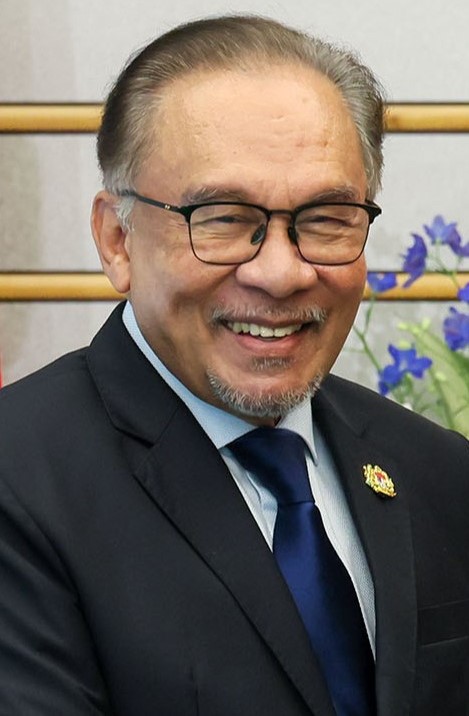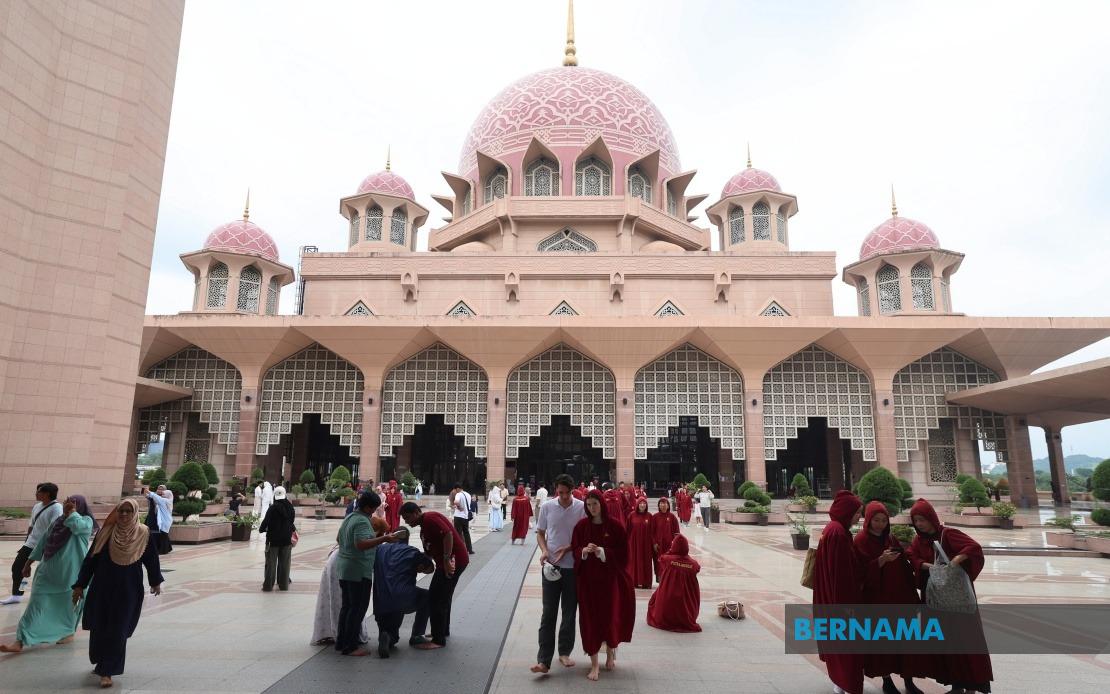
The grand National Maal Hijrah celebration at Putra Mosque in Putrajaya brought together approximately 5,000 attendees from Malaysia and abroad, marking a significant occasion in the Islamic calendar. Sultan of Perak Sultan Nazrin Shah presided over the event, which commemorated the Islamic New Year and the Prophet Muhammad SAW's historic migration to Medina—an event that fundamentally shaped the development of Islamic civilisation and established the foundation for Muslim society as we know it today.
The gathering reflected Malaysia's standing as a Muslim-majority nation committed to honouring and celebrating Islamic heritage on the regional and international stage. The presence of Deputy Prime Ministers Datuk Seri Ahmad Zahid Hamidi and Datuk Seri Fadillah Yusof, alongside Cabinet ministers, foreign diplomatic representatives, and senior government officials, underscored the national significance of the occasion and reinforced Malaysia's role in promoting Islamic values across borders.
Central to the ceremony was the conferral of the National and International Tokoh Maal Hijrah Awards, which stand as Malaysia's premier recognition for individuals demonstrating exceptional dedication to Islamic advancement. Recipients of these honours are selected based on rigorous criteria encompassing profound knowledge within their fields, exemplary moral character, and substantive contributions to strengthening Islam at both domestic and international forums. The awards serve as a testament to individuals whose work transcends national boundaries and influences the broader Muslim community globally.
The Department of Islamic Development Malaysia (JAKIM) carefully crafted the year's theme to inspire the Muslim community to reconnect with the foundational principles embodied in Prophet Muhammad SAW's Hijrah. Rather than treating the Islamic New Year as merely a calendar milestone, the celebration encouraged attendees to view this pivotal historical moment as a template for personal and collective transformation. The Hijrah represents not simply a physical journey, but a spiritual migration—a deliberate movement towards righteousness, knowledge, and societal contribution that remains relevant to contemporary Muslim life.
Innovating the celebration format this year, organisers introduced the Tausiyyah @ Maal Hijrah programme, which took place at Putra Mosque on the preceding day. This initiative moved beyond conventional observance by incorporating intensive reflection on Quranic wisdom. Distinguished qari led recitations while simultaneously providing contextual interpretation, enabling participants to grasp the deeper messages and divine guidance embedded within the verses. The programme bridged the gap between passive listening and active comprehension, empowering individuals to translate Quranic principles into their everyday conduct and decision-making.
The emphasis on tadabbur, or contemplative reflection, represented a strategic educational approach. Rather than confining Islamic learning to ceremonial moments, the organisers sought to cultivate a culture where Muslims systematically examine scriptural guidance and consider its practical implications. This methodology resonates particularly with younger generations seeking to reconcile traditional Islamic teachings with modern challenges, demonstrating that Islam provides frameworks for addressing contemporary issues from education and business ethics to environmental stewardship and social justice.
Following the main ceremony, the National and International Tokoh Maal Hijrah Lecture 1448H/2026 was scheduled for the subsequent morning at the Putrajaya Islamic Complex Auditorium. This programme extended the celebration's impact by providing award recipients a platform to articulate their experiences, methodologies, and insights to an interested audience. By converting individual achievements into collective learning opportunities, the lecture series amplifies the influence of recognised scholars, community leaders, and innovators, enabling them to mentor emerging talents and shape future contributions to Islamic thought and practice.
For Malaysia, hosting such a prestigious gathering carries significance beyond religious observance. The event demonstrates the nation's infrastructure capacity, diplomatic reach, and institutional commitment to fostering interfaith dialogue and international cooperation. Foreign representatives attending the function experience firsthand Malaysia's harmonious multicultural society and the sophistication of its Islamic institutions, potentially strengthening bilateral relationships and cultural exchanges across the Muslim world and beyond.
The Maal Hijrah celebration also serves as a moment for Malaysian Muslims to reflect on their own journeys—personal hikrah if you will. Just as Prophet Muhammad SAW and his followers embarked on transformative migration, individuals are encouraged to evaluate their own progress in faith, knowledge, and societal contribution. This introspective dimension transforms a national ceremony into millions of individual moments of recommitment and renewal.
Moreover, the international character of the event underscores the universality of Islamic principles. By honouring both Malaysian and non-Malaysian recipients of the Tokoh awards, Malaysia positions itself as a bridge between diverse Muslim communities, celebrating excellence irrespective of geographical origin. This approach strengthens Malaysia's soft power in the Islamic world and reinforces its credibility as a voice for inclusive, progressive Islamic thought that honours tradition while engaging with contemporary global challenges.
The multi-day programming structure—incorporating the Tausiyyah sessions, the central ceremony, and the subsequent lecture series—demonstrates a sophisticated understanding of adult learning and engagement. Rather than concentrating the celebration into a single event, the extended format allows participants to deepen their understanding progressively, share experiences with peers, and consider applications to their own professional and personal contexts. This pedagogical approach elevates the occasion from a ceremonial gathering to a substantive educational initiative with lasting impact on participants' intellectual and spiritual development.