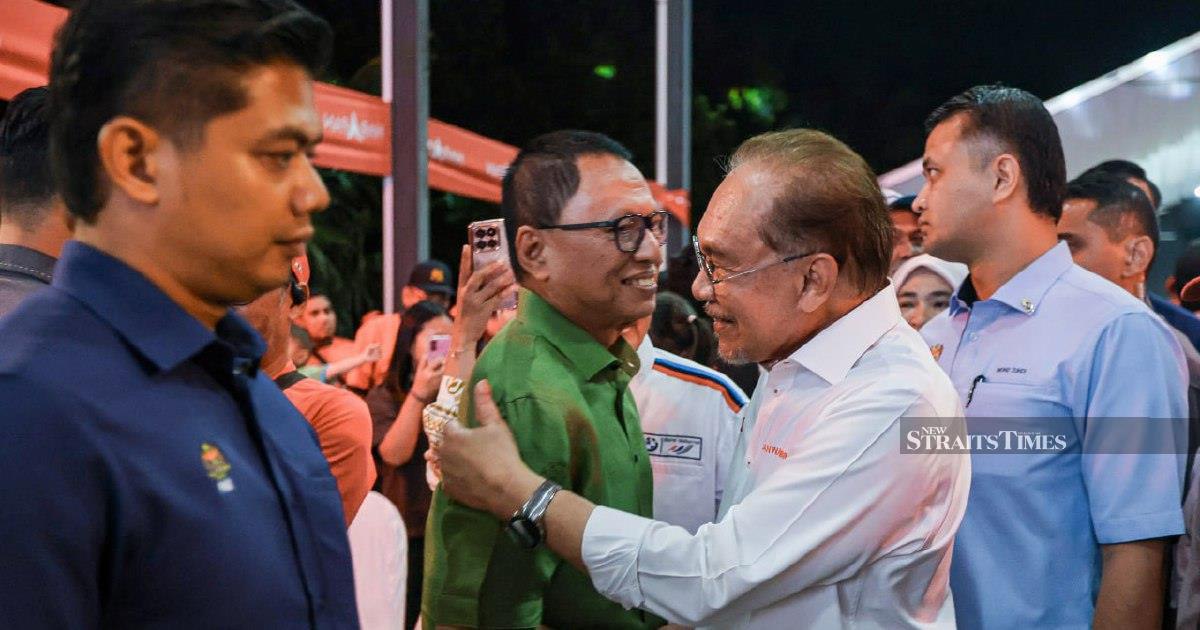
Bersama leader Datuk Seri Rafizi Ramli has delivered a barbed comment about Datuk Dr Mohd Puad Zarkashi's evolving political positioning, suggesting the latter has effectively changed his "portfolio" from Umno to PKR following a high-profile public moment with Prime Minister Anwar Ibrahim on Saturday. The quip reflects the often-theatrical nature of Malaysian politics, where personal moments between senior figures frequently become fodder for opposition commentary and internal political manoeuvring.
The exchange represents a notable moment in the ongoing dynamics within Malaysian politics, where coalition allegiances remain fluid and public displays of unity between politicians carry significant symbolic weight. What appeared to be a warm greeting between Puad and the Prime Minister quickly drew scrutiny from rival factions, underscoring how closely Malaysian political observers monitor interactions between key figures. The incident illustrates the intensity of scrutiny surrounding high-ranking officials and their movements, especially in an era where social media amplifies every gesture and encounter.
Rafizi's commentary, delivered in his characteristic wit-laden style, touches on deeper currents within Malaysian politics regarding party loyalty and the shifting nature of political partnerships. The reference to a "portfolio" switch carries layered meaning, simultaneously suggesting a change in political affiliation while also implying questions about consistency and commitment to stated political positions. Such barbs, though seemingly lighthearted, often mask substantive concerns about political stability and the reliability of coalition partners in Malaysia's complex multiparty system.
For Malaysian observers, these types of exchanges between senior political figures provide insight into the health and tensions within various political groupings. When leaders from one faction begin commenting critically on another figure's alignment with the government, it frequently indicates concerns about defections, shifting loyalties, or strategic repositioning ahead of potential electoral contests. The timing and nature of Rafizi's remark suggest an attempt to frame Puad's engagement with the Prime Minister as evidence of political opportunism or inconsistency.
Puad's positioning has long been of interest to political analysts, given his background and the strategic importance of securing support across various constituencies and communities. Any indication of deepening ties with the Prime Minister's office carries implications for the broader stability of coalition arrangements and the distribution of political influence. In Malaysian politics, such relationships often translate into concrete benefits through ministerial positions, cabinet influence, and resource allocation, making public displays of unity particularly significant.
The incident also reflects how Malaysian political leaders continue to use public commentary and social media to shape narratives about rival figures and competing alliances. Rafizi's quip serves multiple purposes simultaneously: it allows him to maintain his public persona as a critical observer of political developments, it signals to his own supporters that he remains vigilant about opposing political movements, and it potentially applies pressure on figures perceived as straddling different political camps.
Within the context of Malaysia's broader political landscape, where coalition governments depend on maintaining support from diverse parties and factions, moments like these underscore the delicate balance required to keep administrations functioning. The public sparring between political opponents often masks more serious calculations about securing parliamentary support, maintaining coalition unity, and positioning ahead of future electoral contests. Rafizi's intervention suggests that Bersama and allied figures view Puad's engagement with the government as potentially consequential enough to warrant public comment.
The exchange also demonstrates the continued importance of personal relationships and public displays of unity in Malaysian politics. Unlike purely transactional political systems, Malaysian politicians frequently employ symbolic gestures and public appearances to communicate shifting alignments or to signal the formation of new political arrangements. The embrace between Puad and the Prime Minister apparently represented such a moment, making it natural fodder for rival commentary.
Looking forward, such dynamics will likely continue shaping Malaysian political discourse. As the nation prepares for potential electoral contests and as the current coalition government faces various challenges, senior political figures will remain focused on securing and consolidating support across the fractured political landscape. Rafizi's remarks serve as a reminder that in Malaysian politics, even seemingly minor public moments between senior figures carry sufficient weight to attract critical analysis and become subjects of political commentary.
The broader significance of this exchange lies in what it reveals about ongoing jockeying for position within Malaysian political structures. When prominent figures like Rafizi feel compelled to publicly comment on another politician's engagement with the government, it typically reflects deeper concerns about political consolidation and the potential shifting of alignments. Whether Puad's public embrace with the Prime Minister represents a substantive political realignment or merely a moment of political theatre remains to be seen, but the fact that it attracted immediate critical comment suggests that observers believe such gestures carry real consequences for the political landscape.

