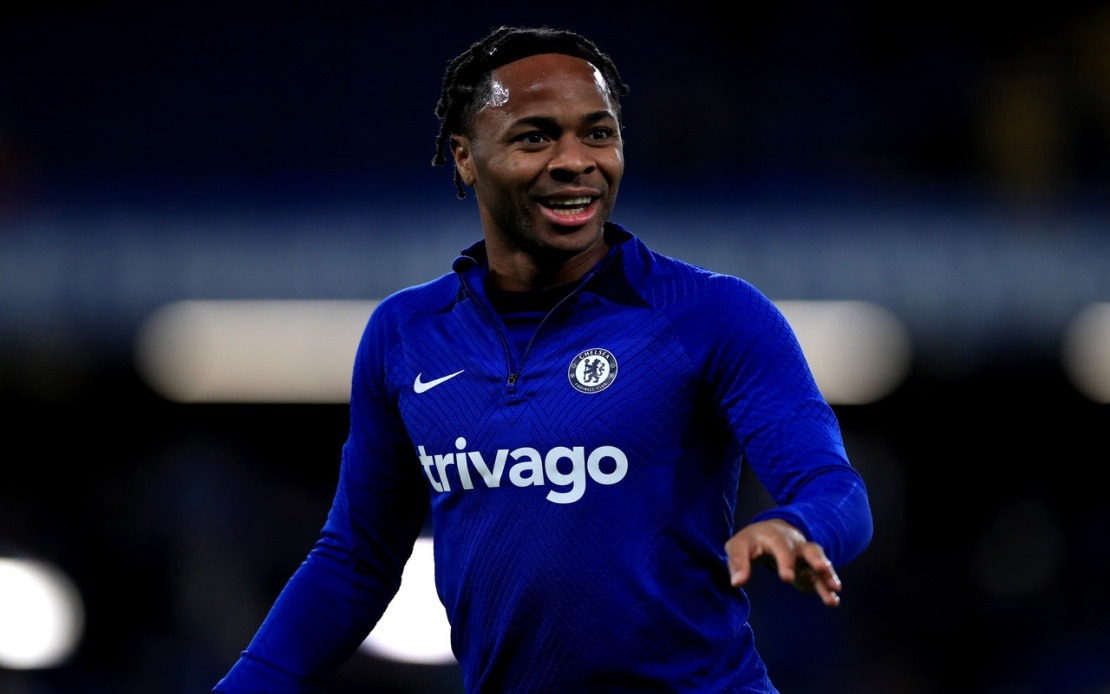
Celebrated English footballer Raheem Sterling faces serious criminal charges stemming from a motorway incident earlier this year. The 31-year-old former Manchester City star has been charged with dangerous driving, possession of nitrous oxide for the purpose of wrongful inhalation, and failing to provide a specimen following a collision on the M3 motorway south of London on May 28. The charges were brought by Hampshire and Isle of Wight Constabulary after investigating the single-vehicle crash involving a Lamborghini near the Minley interchange. No other vehicles were implicated in the incident, and authorities confirmed that no injuries resulted from the collision.
Sterling is scheduled to make his first court appearance at Basingstoke Magistrates' Court on September 15, where proceedings will determine how the charges proceed. The resident of Berkshire now faces potential legal consequences that could extend beyond the criminal justice system, with possible implications for his career in professional football. The timing of the charges represents a significant development for a player currently on loan at Arsenal after departing Chelsea, where his playing time had become limited during the 2023-24 campaign.
Throughout his international career, Sterling established himself as a prolific contributor to the England national team. Across 82 appearances for the Three Lions, he netted 20 goals while representing his country in major tournaments including the 2018 FIFA World Cup—where England reached the semi-finals—and Euro 2020, where Gareth Southgate's squad advanced to the final. His performances on the international stage earned him recognition as one of England's most significant attacking talents during a competitive era for the Football Association.
The footballer's club career has spanned multiple elite institutions across English football. Beginning at Queens Park Rangers' academy system, Sterling transitioned to professional football before earning a move to Liverpool, where he made his senior debut and developed into a promising young talent. His breakthrough years in the Liverpool shirt attracted the attention of Manchester City, where he joined in 2015 and subsequently became a cornerstone of Pep Guardiola's dominant teams. During his tenure at the Etihad Stadium, Sterling accumulated four Premier League titles, five League Cups, and an FA Cup victory in 2019, establishing his credentials as a winner at the highest club level.
The trajectory of his career took a different course when he transferred to Chelsea in 2022. However, the move proved less successful than anticipated, with Sterling finding first-team opportunities increasingly scarce under successive managerial regimes. Seeking regular competitive football, he secured a loan arrangement with Arsenal for the 2024-25 season, giving him the opportunity to reignite his career while remaining in the Premier League. Subsequently, Sterling agreed to join Dutch Eredivisie outfit Feyenoord on a short-term deal to ensure continued playing time through the remainder of the season.
Beyond his on-pitch contributions, Sterling gained prominence for his advocacy on social issues affecting sport and society more broadly. In the 2021 Queen's Birthday Honours, he received an MBE in recognition of his services to racial equality in sport. This recognition acknowledged years of sustained activism, including his participation in anti-racism campaigns and his willingness to publicly challenge discrimination within football. His efforts to speak out against racism and discriminatory behaviour both within professional football environments and in broader society demonstrated a commitment to using his platform for social change.
Sterling's advocacy took on particular significance during a period when English football confronted systemic racism and intolerance. He remained vocal during the controversy surrounding England fans booing players who took the knee before matches—a gesture intended to demonstrate solidarity against systemic injustice and discrimination. His consistent moral stance on these issues contributed to broader conversations within professional football about institutional racism and the responsibilities of players and governing bodies to address discriminatory behaviour.
The charges now facing Sterling represent a dramatic turn in his public narrative. For Malaysian and Southeast Asian sports followers, the case underscores how even prominent international athletes remain subject to the same legal frameworks as the general population. The incident also highlights the broader challenges that professional footballers navigate regarding personal conduct and legal compliance, particularly when media scrutiny accompanies their every action both on and off the pitch.
The implications of these charges extend beyond Sterling's personal legal circumstances. His current position within Arsenal's squad and his professional future remain uncertain pending the outcome of court proceedings. The situation also raises questions about how football clubs manage player welfare and legal issues when athletes face criminal charges, a matter that sporting organizations across Southeast Asia and globally continue to grapple with as they establish protocols for supporting players while maintaining institutional integrity and public confidence.

