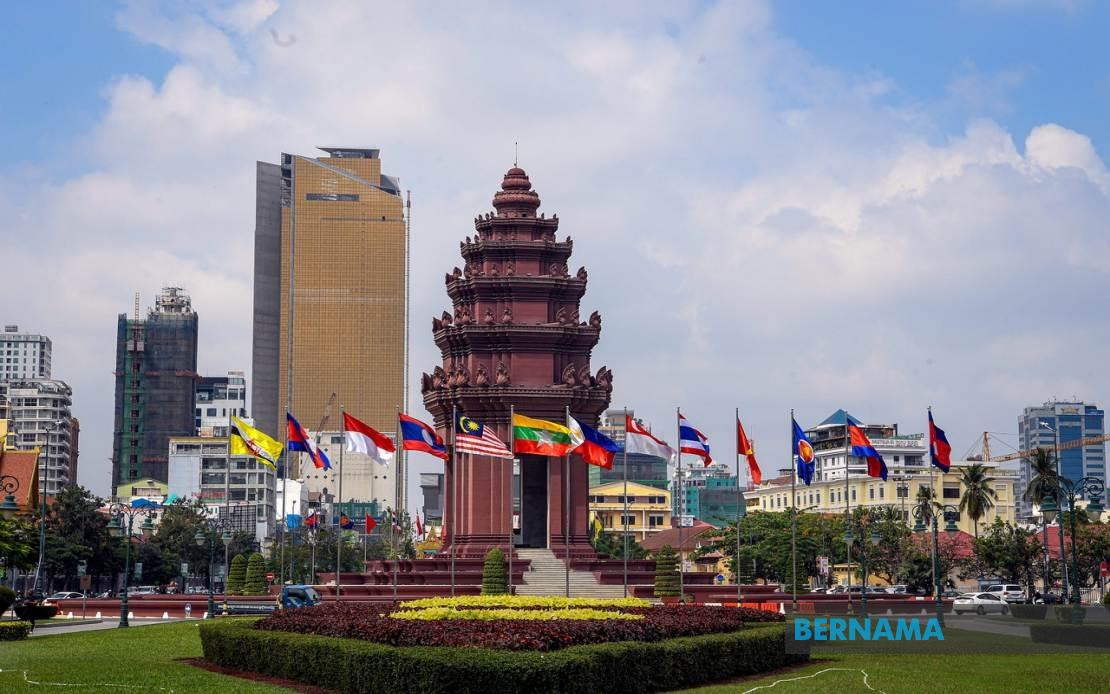
Cambodia's top diplomat has sounded an alarm about the mounting toll of regional conflicts, cautioning that the fragile peace underpinning Southeast Asia's development trajectory faces unprecedented strain. Foreign Minister Prak Sokhonn highlighted how ongoing tensions are unravelling the security architecture that enabled the region's economic progress, with cascading effects rippling through supply chains, food systems, and energy markets. The warning underscores a growing anxiety among regional leaders that the costs of instability extend far beyond military expenditure, threatening the livelihoods of millions dependent on predictable trade and investment flows.
The urgency of this message crystallised at the Second Inter-Parliamentary Speakers' Conference, where delegates from across the region converged to emphasise parliamentary diplomacy as a critical mechanism for preserving peace and enabling sustainable development. The gathering highlighted an emerging consensus that traditional diplomatic channels, while important, require reinforcement through stronger legislative engagement and cross-border dialogue among lawmakers. For Malaysia and other ASEAN members, these discussions carry particular weight, as parliamentary connections offer a less formal avenue for resolving disputes and building confidence before tensions escalate into broader conflicts.
Indonesia is meanwhile pursuing innovative solutions to one of its most persistent environmental challenges: recurring forest and land fires that devastate ecosystems and generate transboundary haze affecting neighbouring nations including Malaysia and Singapore. Research by the National Research and Innovation Agency (BRIN), led by Arif Satria, is exploring cassava-based technology as a potential fire-suppression tool. This research direction reflects growing recognition that fighting Indonesia's fire crisis requires moving beyond reactive firefighting towards preventative technologies grounded in agricultural science. Should this approach prove viable, it could offer a scalable, sustainable solution applicable across the region's fire-prone areas.
Simultaneously, Indonesia is channelling energy into deepening its halal industry value chains, recognising the sector's substantial potential to bolster national GDP. Ahmad Haikal Hasan, heading the Halal Product Assurance Organizing Agency (BPJPH), outlined strategies to strengthen every link in the halal supply chain, from production through certification and export. This initiative resonates throughout Southeast Asia, where Muslim-majority nations compete for dominance in the global halal market worth hundreds of billions of dollars annually. For Malaysia, which has long positioned itself as the regional halal standards leader, Indonesia's ambitions represent both competition and opportunity for deeper integration in Muslim-world trade networks.
The Philippines faces urgent public health scrutiny following the rollout of its Measles-Rubella Supplemental Immunisation Activity, with the Department of Health initiating investigations into reported child deaths during the Phase 3 campaign. Such probes are standard epidemiological procedure, though they highlight the delicate balance between expanding immunisation coverage and maintaining public confidence in vaccination programmes. The investigation's findings will carry implications beyond the Philippines, as vaccine hesitancy propagates readily across social media and informal networks throughout Southeast Asia, potentially undermining regional disease control efforts.
On a more encouraging note for Filipino consumers, domestic fuel prices are poised to decline substantially, with projections indicating reductions of up to PHP4 per litre following this week's spike. The easing of prices reflects diminishing market anxieties about the US-Iran conflict and its potential to disrupt global oil supplies. For Malaysia, where fuel pricing mechanisms differ significantly from the Philippines, these regional price movements nonetheless influence expectations about regional economic conditions and competitive advantage in energy-intensive industries.
Singapore's Land Transport Authority is methodically assessing whether the city-state's vehicle fleet faces exposure from a major electronics recall initiated in China targeting door-locking systems. Although no operational difficulties have been reported as of late August, this cautious evaluation exemplifies the regulatory diligence required in an era of integrated supply chains, where manufacturing defects in one jurisdiction can rapidly affect consumers across the region. For Malaysia's automotive sector, such recalls underscore the necessity of robust after-sales tracking and compliance mechanisms.
The island-nation is also mobilising financial support for humanitarian relief following devastating floods along the Nepal-Tibet border, with Singapore contributing US$100,000 as seed funding through the Singapore Red Cross' public fundraising campaign. This contribution reflects ASEAN's broader commitment to transnational disaster relief and regional solidarity, establishing precedents for coordinated responses to environmental catastrophes that increasingly transcend national boundaries. Malaysia and other ASEAN members typically participate in parallel fundraising initiatives, recognising that climate-driven disasters pose systemic risks to the entire region.
Vietnam is advancing its digital transformation agenda by mobilising banking sector participation in developing population-based applications and electronic identification systems. The State Bank of Vietnam's initiative represents a strategic shift towards leveraging financial infrastructure and demographic data to accelerate digital economy development. This push aligns with broader Southeast Asian trends where fintech and digital identity systems are reshaping economic participation, particularly in financial inclusion for underbanked populations.
Meanwhile, Vietnam's Khanh Hoa province is orchestrating a comprehensive modernisation of its fisheries sector, balancing commercial viability with environmental sustainability. Building on substantial marine resources and existing processing and export infrastructure, the province is positioning itself to capture growing regional and global demand for sustainably sourced seafood. For Malaysia, which shares similar marine resources and processing capabilities, Khanh Hoa's strategic direction signals competitive pressures in regional seafood markets and the increasing premium attached to environmental certifications.
Collectively, these developments across Cambodia, Indonesia, the Philippines, Singapore and Vietnam reveal a Southeast Asian region simultaneously managing security anxieties, public health challenges, environmental pressures, and economic transformation. The convergence of these pressures requires coordinated regional responses that transcend individual national interests, underscoring the continuing relevance of ASEAN frameworks for collective problem-solving. Malaysia's position as a regional hub places it at the intersection of many of these challenges, from transboundary pollution to trade disruptions and disaster response coordination.

