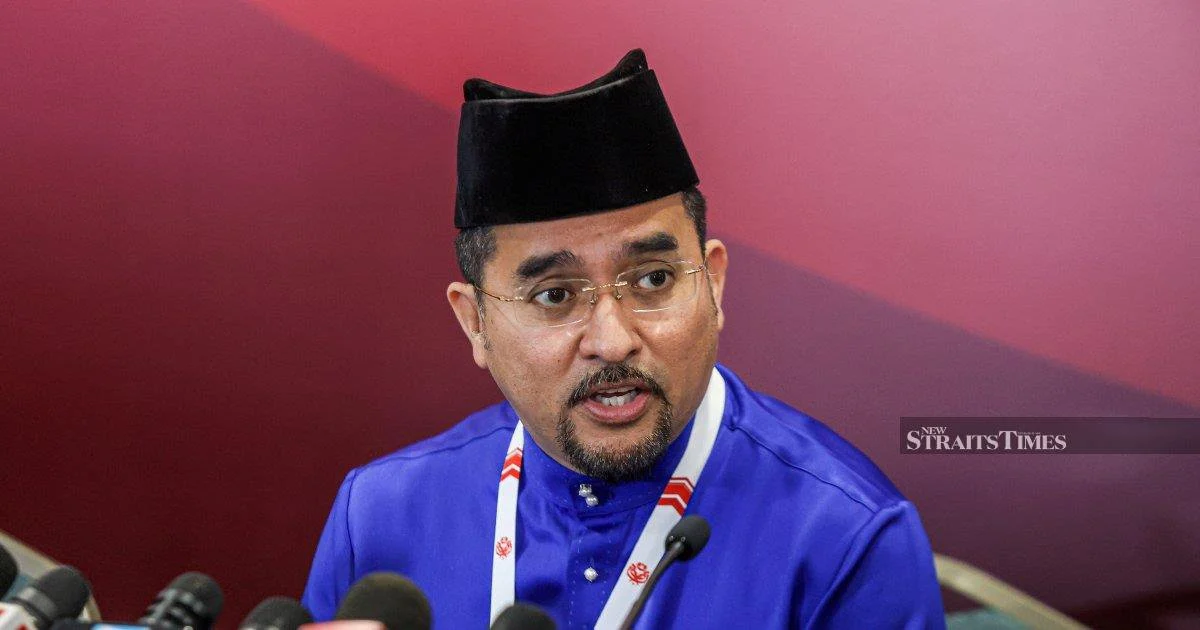
The postponement of Barisan Nasional's candidate nominations for the Johor state election stemmed from the coalition's commitment to a comprehensive screening mechanism, Umno secretary-general Datuk Dr Asyraf Wajdi Dusuki revealed this week. The meticulous evaluation process, designed to ensure quality selection at every level, became the primary factor in pushing back the announcement timeline that coalition leaders had initially targeted.
The decision to prioritise thorough vetting reflects growing recognition within Malaysia's political establishment that rapid candidate selection can lead to complications down the line. By investing additional time in examining potential nominees, BN hoped to preempt controversies involving personal conduct, financial propriety, or previous statements that might undermine campaign credibility. This methodical approach contrasts with the urgency often demanded by party grassroots and observers eager for clarity on nomination details.
For Johor specifically, the stakes surrounding candidate selection carry particular weight. The state represents one of Malaysia's most politically competitive territories and a traditional BN stronghold facing renewed pressure from opposition movements. Selecting candidates with strong local connections, proven track records, and community trust becomes essential for maintaining the coalition's legislative advantage in a state where marginal seats frequently determine overall outcomes.
Umno, as the largest component party within BN, typically shoulders primary responsibility for determining candidates across many constituencies. The screening burden falls especially heavily on party leadership responsible for evaluating dozens of aspirants across the state's various parliamentary and state assembly divisions. This filtering process involves assessing candidates' political experience, financial transparency, grassroots support networks, and alignment with party values and strategic priorities.
The delay's announcement also reflects coordination challenges inherent in managing a multi-party coalition during candidate selection periods. BN comprises several component parties beyond Umno, including MCA, MIC, and various Sabah and Sarawak-based parties, each with legitimate interests in securing seats and influence over nominations. Harmonising preferences across these different organisations while maintaining coalition cohesion requires extended negotiation and compromise that inevitably extends timelines.
Politically, the transparency regarding vetting procedures offers BN a narrative advantage in deflecting criticism about delayed nominations. Rather than allowing speculation about internal disputes, leadership dysfunction, or indecision, the coalition framed the postponement as evidence of responsible governance and commitment to quality outcomes. This messaging particularly resonates among middle-class voters concerned about corruption and competence in political representation.
For candidates themselves, the extended evaluation period creates both opportunities and anxieties. Aspiring nominees must maintain campaign readiness and grassroots engagement while awaiting formal confirmation, a prolonged state of uncertainty that taxes resources and emotional energy. However, the stringent process also potentially elevates the prestige associated with eventual nomination, positioning selected candidates as thoroughly vetted representatives rather than rushed appointments.
The episode underscores broader trends in Malaysian electoral politics where candidate selection processes have become increasingly professionalised and scrutinised. Voter expectations regarding representative quality have risen substantially, particularly following high-profile scandals affecting previous candidates. Political parties across the spectrum now face pressure to demonstrate that nomination decisions reflect genuine deliberation rather than patronage networks or factional maneuvering.
Looking ahead, the Johor candidate announcement's eventual timing will reveal whether the extended vetting process succeeded in producing a stronger slate. Election results themselves will ultimately determine whether careful screening translated into electoral advantage or whether delayed nominations inadvertently hampered campaign momentum. For BN, delivering competitive candidates across Johor's contested seats remains essential for consolidating control over Malaysia's southern economic engine and demonstrating continued relevance in competitive political conditions.
The vetting rationale also carries implications for Malaysian opposition parties observing BN's nomination processes. These movements frequently position themselves as meritocratic alternatives to perceived BN cronyism, making careful candidate selection increasingly important for maintaining competitive credibility. As Malaysian voters demonstrate growing sophistication in evaluating political offerings, all coalitions and parties recognise that candidate quality directly influences electoral viability and public confidence in democratic institutions.

