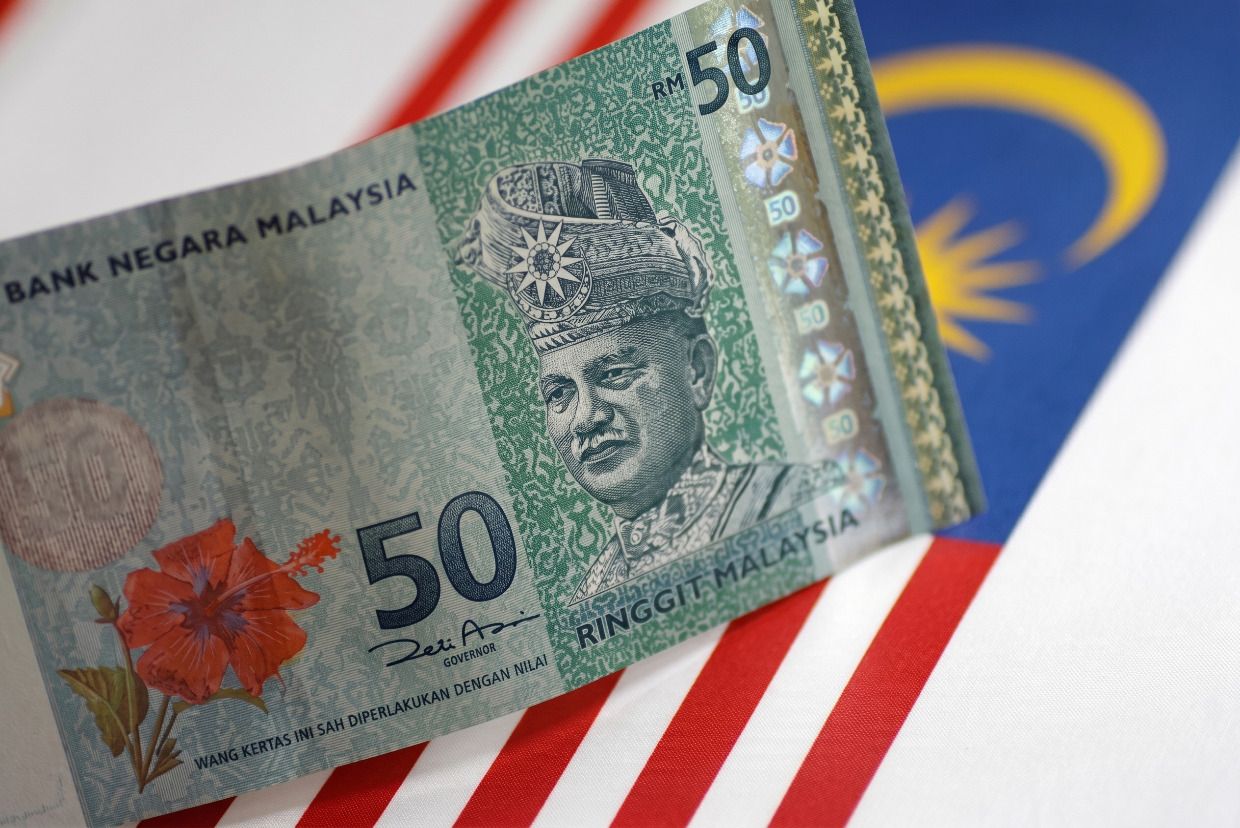
Malaysia's currency stands at an inflection point after a disappointing first half of 2024, with financial analysts increasingly confident that a combination of policy support and economic tailwinds will drive a meaningful strengthening over the coming months. Following its underperformance relative to regional peers in June, the ringgit closed Friday's trading session at 4.0722 against the US dollar, marking a modest 0.2% gain that signals the beginning of a recovery narrative. Multiple forecasters now project the currency will achieve levels not seen in nearly a decade, reflecting a fundamental shift in Malaysia's external position.
Bank Negara Malaysia's commitment to intensifying measures aimed at channelling foreign-exchange inflows represents the most significant policy intervention since 2024, when similar initiatives successfully reversed currency weakness after the ringgit had depreciated to its lowest point against the dollar since the Asian financial crisis. The central bank's particular focus on encouraging Malaysian corporations to repatriate and convert their overseas earnings into ringgit creates a direct link between the country's robust external trade position and currency performance. This strategic approach acknowledges that strong export revenues alone cannot support currency appreciation unless accompanied by deliberate mechanisms to convert those foreign earnings into local currency assets.
Royal Bank of Canada has positioned itself at the more optimistic end of forecaster expectations, projecting that the ringgit will reach 3.95 per dollar by the close of this year. This target implies approximately 2.7% appreciation from current levels and represents substantial confidence in the effectiveness of Bank Negara's policy framework. The Canadian institution's regional macro strategist, Abbas Keshvani, has articulated a clear thesis linking Malaysia's persistent trade surplus to currency strength, arguing that the inflow-boosting measures create the crucial transmission mechanism between merchandise trade performance and foreign-exchange market dynamics. Australia & New Zealand Banking Group offers an even more bullish scenario, with its analysts forecasting the ringgit could strengthen to 3.80 per dollar, a level that would mark its highest valuation since 2015 and signal a comprehensive reversal of multi-year depreciation trends.
The economic fundamentals underpinning these optimistic projections extend well beyond traditional trade metrics. Malaysia's export sector has benefited substantially from the global artificial intelligence investment boom, with particularly strong demand emerging for data centre infrastructure and the country's extensive portfolio of electrical and electronic products. May's trade data crystallised this momentum, with total exports expanding 45 percent year-on-year and propelling Malaysia's monthly trade surplus to a record 40 billion ringgit, equivalent to approximately $9.8 billion. This exceptional performance reflects both cyclical strength in global electronics demand and Malaysia's structural positioning within the technology supply chain.
Fixed-income markets have become another crucial barometer of external confidence in the Malaysian economy. Global investment funds channelled approximately $2.1 billion into local bonds through June 29, according to the latest Bank Negara figures, establishing a trajectory toward the largest monthly inflow since May 2025. This sustained appetite for ringgit-denominated debt instruments demonstrates that international portfolio managers view Malaysia as an attractive destination for capital deployment, a conviction typically associated with currency appreciation expectations. The combination of reasonable yields on Malaysian government and corporate debt, coupled with expectations of ringgit strength, creates a compelling total return proposition for foreign investors seeking exposure to Southeast Asian fixed income.
Corporate foreign-exchange behaviour has shifted noticeably in recent months, providing additional support for the Bank Negara thesis. Foreign currency deposits accumulated by Malaysian businesses have increased materially during the March to May period, suggesting that companies have been accumulating dollar holdings through their export operations. The central bank's repatriation and conversion incentives directly target this accumulated foreign exchange, creating a pipeline of conversion demand that can absorb excess dollar supply and support ringgit strength. Kausani Basak, the FX analyst at ANZ, has highlighted this specific channel as particularly important, noting that sustained foreign direct investment inflows will complement the corporate conversion dynamic to reinforce currency appreciation.
However, the ringgit's recovery trajectory faces meaningful headwinds that analysts cannot dismiss. The US Federal Reserve's increasingly hawkish monetary policy stance and the resulting strength of the dollar create a powerful countercurrent to emerging-market currency appreciation. A more restrictive global monetary environment typically drives capital flows toward the world's primary reserve currency, potentially offsetting Malaysia's domestic positive factors. Additionally, Malaysia's own political calendar introduces an element of uncertainty that typically weighs on confidence in emerging-market assets. Upcoming state elections will serve as a critical test of support for Prime Minister Anwar Ibrahim and his governing coalition ahead of the next national general election, and investors historically display heightened caution during periods of domestic political flux.
The contrast between Malaysia's position now and its vulnerability during 2024 illustrates the importance of external demand dynamics and policy framework coherence. The ringgit's depreciation to 1998 levels in 2024 reflected not deteriorating fundamentals but rather a confluence of regional currency pressures and investor re-evaluation of emerging-market assets in the face of US monetary policy tightening. The subsequent rebound, which established the ringgit as Asia's strongest performer during that year, demonstrated the currency's responsiveness to genuine improvements in capital flows and investment sentiment. The current cycle appears similar in structure, with a period of weakness giving way to recovery as new policy frameworks take hold and external conditions stabilise.
Market participants should recognize that the Bank Negara's current strategy represents a sophisticated policy approach grounded in the mechanics of foreign-exchange markets. By targeting the conversion of corporate foreign-exchange holdings and encouraging business repatriation, the central bank is working with rather than against market forces, creating incentive structures that channel existing wealth into stronger currency demand rather than attempting to defend through intervention and reserve depletion. This approach proved durable throughout 2024 and demonstrates learning from previous currency crisis episodes. The analytical consensus now suggests that ringgit strength will emerge as a function of improved capital flows rather than artificial prop-ups, a distinction that carries implications for the sustainability of any appreciation that materialises.

