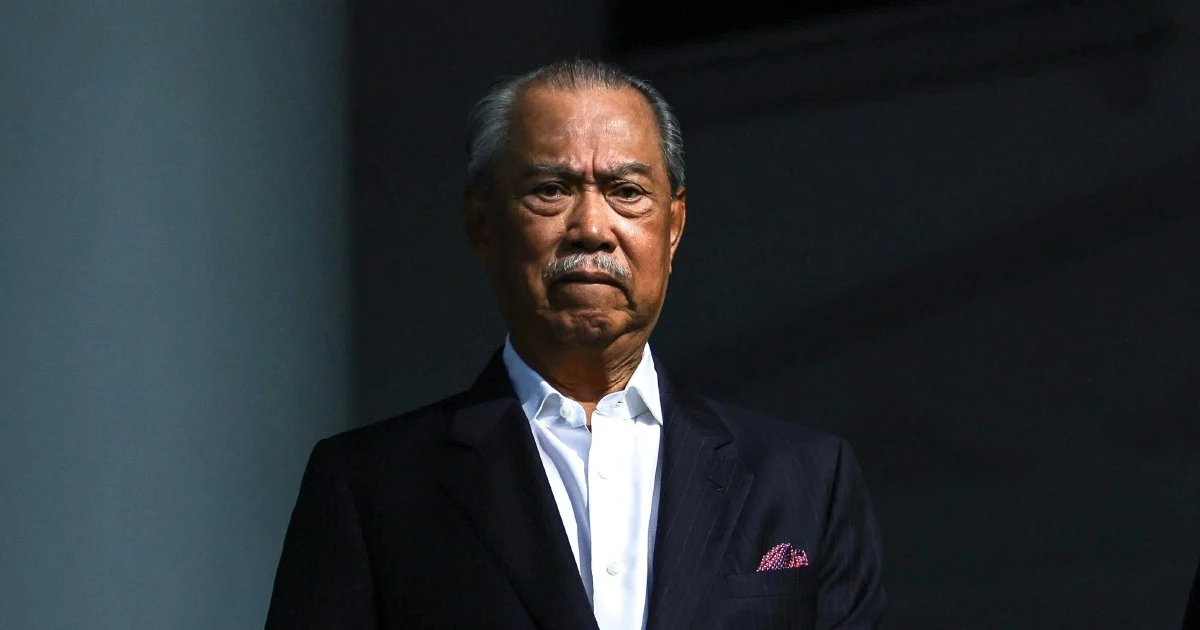
A substantial portion of Bersatu's liquid assets remains locked away following a court ruling that has kept RM195 million frozen in the party's accounts. The decision represents a major financial constraint for the political organisation and raises questions about the party's ability to fund ongoing operations and political activities during a critical period in Malaysian governance.
The frozen accounts constitute a significant slice of Bersatu's accessible funds, potentially hampering the party's capacity to finance campaigns, maintain its organisational structure, and support its political agenda. For a party that plays a central role in the current ruling coalition, the financial restrictions pose operational challenges that extend beyond ordinary party management to affect its influence within the government itself.
Bersatu, formally known as Parti Pribumi Bersatu Malaysia, has been a pivotal player in Malaysian politics since its establishment. The party served as the backbone of the 2018 reformist movement that brought Mahathir Mohamad back to power and has remained integral to subsequent coalition arrangements, including the current administration. The frozen funds therefore carry implications not just for party politics but for the stability and coherence of Malaysia's governing coalition.
The court's decision reflects ongoing scrutiny of party financing in Malaysia, a persistent area of political concern. Questions surrounding the source and management of political donations have long shadowed Malaysian politics, with various parties facing investigations and accusations over funding irregularities. This ruling suggests that judicial mechanisms are being applied to enforce accountability in party finances, a development that could reshape how political organisations operate and fundraise.
For Bersatu specifically, the frozen accounts mean the party must either operate within severely constrained budgets or seek alternative funding mechanisms to sustain its activities. This restriction could influence the party's internal dynamics, potentially affecting its capacity to maintain grassroots networks, conduct political outreach, or invest in institutional development. The financial squeeze may also impact the party's ability to retain talented personnel or expand its organisational reach into new constituencies.
The ruling also carries broader implications for Malaysian democracy and institutional governance. It demonstrates that courts can and will intervene in party financial matters when legal grounds exist, establishing a precedent that may influence how other political organisations manage their resources. This judicial assertiveness in party finance oversight represents a counterbalance to executive power and reflects the judiciary's role in maintaining institutional checks and balances.
Bersatu's situation may also serve as a cautionary reference point for other political parties in Malaysia and Southeast Asia more broadly. In a region where party funding often occurs in grey zones and formal accountability mechanisms remain underdeveloped, the legal action against Bersatu signals that financial transparency and adherence to regulations carry real consequences. Regional political observers will watch closely to see whether this precedent influences how other Malaysian parties conduct their financial affairs.
The party's response to the frozen accounts will likely shape its near-term political trajectory. Whether Bersatu pursues legal appeals, seeks to negotiate settlements, or adapts its operations to function under financial constraints will influence its standing within the ruling coalition and its capacity to contest future elections effectively. The party's leadership must balance demonstrating financial responsibility with maintaining the organisational capacity necessary to remain politically competitive.
For Malaysian voters and taxpayers, the episode raises important questions about political party oversight and accountability. Public concern about where political funds originate and how they are deployed reflects democratic expectations that political organisations should operate with transparency and within legal boundaries. The frozen accounts suggest these expectations are being enforced, though observers debate whether enforcement has been consistent and comprehensive across all parties.
The practical impact on Bersatu's ability to govern as part of the ruling coalition remains to be determined. A party constrained by financial restrictions might struggle to maintain internal cohesion, support its elected representatives, or coordinate effectively with coalition partners. This could have ripple effects across government stability if Bersatu's weakened position affects its role in legislative coordination or policy implementation.
Looking forward, the outcome of this case may influence broader discussions about party financing reform in Malaysia. Policymakers might consider whether existing legal frameworks adequately address concerns about political fundraising, or whether legislative reforms are necessary to create clearer guidelines and more robust oversight mechanisms. The frozen accounts serve as a tangible reminder that questions of party finance intersect with issues of democratic governance, institutional integrity, and public confidence in political systems.
As Bersatu navigates this financial challenge, the party's response will provide insights into how Malaysian political organisations adapt when confronted with serious constraints. The situation also highlights the ongoing tension between political parties' operational needs and society's legitimate expectations for financial accountability. How these tensions are resolved will shape not only Bersatu's future but also the broader framework within which Malaysian politics operates.