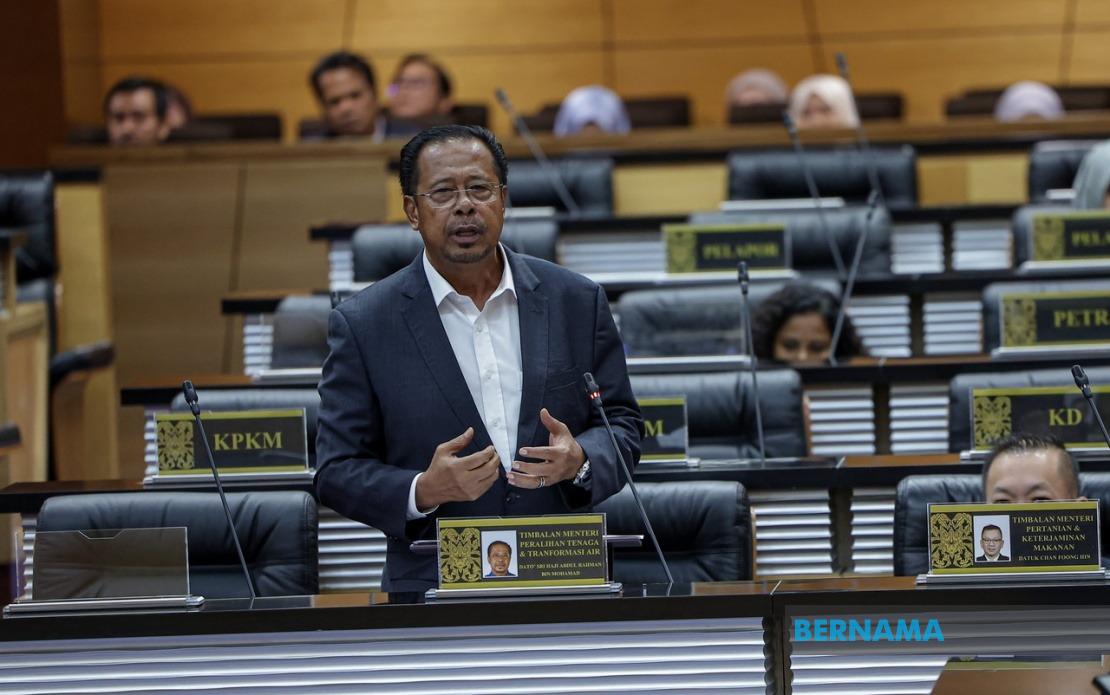
A major infrastructure initiative targeting Sungai Skudai in Johor is poised to deliver substantial flood mitigation benefits to approximately 15,000 residents while restoring ecological health to one of the region's critical waterways. The RM99.8 million Integrated River Basin Development (PLSB) scheme, funded under the 12th Malaysia Plan, was outlined to Parliament by Deputy Minister of Energy Transition and Water Transformation Datuk Seri Abdul Rahman Mohamad, who emphasised that the project represents a comprehensive approach to addressing the river's longstanding drainage challenges.
Currently in its pre-implementation phase, the initiative encompasses detailed engineering studies, ground investigations, and meticulous preparation work that must be completed before actual construction can commence. This deliberate approach reflects the complexity of managing a major river system that has historically posed significant flooding hazards to surrounding communities. A consulting firm was engaged in May 2025 to lead the detailed planning and investigative work, and this team is now preparing the comprehensive concept report that will guide subsequent phases.
The temporal roadmap for survey activities spans an ambitious but achievable timeframe, with field investigations that began in November 2025 scheduled for completion by May 2027. Simultaneously, the land acquisition process, which started in June 2026, is anticipated to conclude by August 2027. These parallel workstreams are designed to streamline the overall project timeline, allowing procurement and contractor appointment to proceed once all technical prerequisites have been satisfied. Based on current projections, actual construction activities are expected to commence during the middle months of 2027, though government authorities have signalled their commitment to maintaining this schedule only if conditions permit.
When completed, the scheme will fundamentally reconfigure how water flows through the 46-kilometre river corridor. Bank strengthening initiatives will reinforce vulnerable stretches, while selected sections will be widened to approximately 15 metres to substantially increase the channel's capacity to convey water during high-flow events. These engineering interventions directly address the hydrological inadequacies that have rendered certain areas perpetually vulnerable to inundation. The enhanced drainage capacity will significantly improve the overall management of water movement throughout Sungai Skudai, thereby diminishing the frequency and severity of flooding that frequently affects nearby settlements.
During parliamentary questioning, Deputy Minister Abdul Rahman detailed the multifaceted benefits extending beyond flood control. The project will contribute meaningfully to restoring the river's ecological functions, which have deteriorated due to years of neglect and degradation. Improved navigability will benefit local fishing communities who depend on the waterway for their livelihoods, while strengthened operational capabilities for maritime security and emergency management agencies will enhance regional safety and responsiveness. These co-benefits demonstrate how contemporary infrastructure development can simultaneously address multiple community needs rather than serving purely singular objectives.
Significantly, the ministry has already identified approximately 50 distinct flood hotspots distributed along the river's length, including five concentrated in the Kulai area. This granular understanding of vulnerability patterns allows for targeted interventions that can yield measurable results even before the main project reaches full implementation. To address immediate concerns while the comprehensive scheme progresses through its lengthy development and approval phases, the ministry is concurrently executing six smaller interim projects valued at approximately RM700,000 collectively. These stopgap measures represent pragmatic acknowledgement that communities cannot wait indefinitely for large-scale solutions, and they demonstrate a willingness to implement incremental improvements that generate tangible risk reduction in the near term.
The response from Deputy Minister Abdul Rahman to supplementary parliamentary inquiries underscored ministerial resolve to maintain momentum toward the mid-2027 construction commencement target. Officials have stressed their commitment to ensuring the project advances through each sequential phase according to the established schedule, acknowledging that any delays would postpone relief for affected residents. This assurance carries particular weight given that flooding remains a persistent challenge throughout the region, with communities cyclically experiencing property damage, economic disruption, and occasional loss of life during monsoon seasons.
In parallel developments revealed during the same parliamentary sitting, the Ministry of Works provided clarification regarding a separate but related infrastructure undertaking affecting the broader Johor transportation network. The RM174.53 million Phase Three upgrading initiative for the Pasir Gudang Highway (FT17) will proceed without necessitating land acquisition from Keretapi Tanah Melayu Berhad (KTMB), thereby circumventing potential complications that might otherwise have delayed construction. Minister Datuk Seri Alexander Nanta Linggi explained that work activities in proximity to railway infrastructure will instead be conducted under work permits and right-of-way authorisations secured directly from KTMB, a collaborative arrangement that protects the rail operator's interests while allowing the highway project to advance unimpeded.
Construction activities along railway-adjacent sections are scheduled to occur between February 2027 and December 2028, representing a substantial commitment of resources and engineering effort. This timeline ensures coordinated implementation with the Sungai Skudai project, potentially creating efficiencies through consolidated management of major infrastructure works across the Johor landscape. The staggered approach also minimises disruption to existing transportation networks by avoiding simultaneous large-scale construction across multiple corridors.
For Malaysian readers, particularly those in Johor, these announcements signal sustained governmental investment in addressing long-standing infrastructure deficiencies that affect daily life and economic activity. The Sungai Skudai initiative represents recognition that flood mitigation requires patient, systematic intervention rather than reactive emergency responses. Similarly, the highway upgrade reflects broader commitments to enhancing regional connectivity and maintaining Malaysia's transportation infrastructure at contemporary standards. Together, these projects exemplify the strategic infrastructure planning articulated within the 12th Malaysia Plan, directing substantial capital toward initiatives that generate multiplier effects throughout affected communities.
The successful execution of the Sungai Skudai project would establish valuable precedent for integrated river basin management across Southeast Asia, a region increasingly vulnerable to climate-induced hydrological variability. Malaysia's experience managing this large-scale initiative will generate technical knowledge and institutional experience applicable to similar challenges confronting neighbouring nations. Moreover, the emphasis on ecosystem restoration alongside flood mitigation reflects evolving international best practices that recognise waterways not merely as hydraulic conveyances but as ecological systems requiring holistic stewardship.

