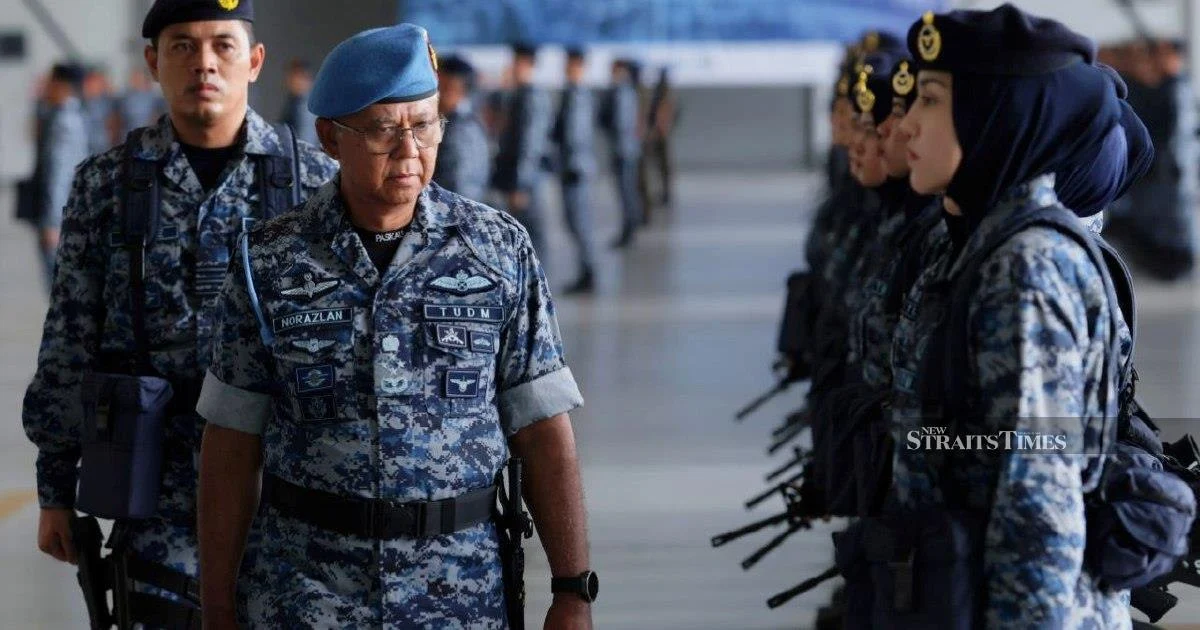
The Royal Malaysian Air Force will soon operate two sophisticated platforms designed to extend the nation's surveillance reach across strategically important regions, according to official announcements made at Subang. The introduction of the Anka-S unmanned aircraft system alongside the P-72M maritime patrol aircraft represents a deliberate shift towards advanced, technology-driven airspace security that addresses contemporary threats while maintaining cost efficiency in long-duration monitoring operations.
The Anka-S unmanned system brings capabilities particularly suited to Malaysia's geographic and operational needs. As a medium-altitude, long-endurance platform, this aircraft can remain aloft for extended periods, gathering intelligence and conducting persistent surveillance across designated zones without exposing pilot crews to risk. The system's design emphasises sustained operational presence, which translates into greater coverage of airspace that would previously require rotations of manned aircraft consuming considerably more resources and fuel.
Marityme security concerns remain paramount for Southeast Asia, particularly given Malaysia's position astride major shipping lanes and its extensive maritime borders. The P-72M maritime patrol aircraft is specifically engineered to address these challenges, combining modern sensor suites with extended range capabilities. This platform will enable the air force to conduct comprehensive maritime reconnaissance, track vessel movements, and maintain surveillance over territorial waters with enhanced precision and operational endurance compared to existing platforms.
The integration of these systems reflects broader global trends in defence modernisation, where unmanned and advanced manned systems complement each other within unified command structures. Malaysia's approach mirrors strategies adopted by regional peers, including Australia and Singapore, which have invested heavily in similar capabilities to manage sprawling maritime zones and increasingly complex security environments. For Malaysian planners, the acquisition signals recognition that traditional air defence postures require enhancement through persistent, networked surveillance.
Operational deployment across key airspace areas will likely include critical corridors and border regions where monitoring gaps have created vulnerabilities. While specific deployment zones remain undisclosed on operational security grounds, defence analysts suggest focus areas probably encompass the east coast facing the South China Sea, northern approaches, and zones along maritime boundaries where trafficking and unauthorised incursions present recurring challenges. Enhanced surveillance capability directly strengthens Malaysia's ability to detect and respond to threats ranging from smuggling operations to territorial violations.
The financial implications merit consideration within Malaysia's defence budget constraints. Unmanned systems offer significant cost advantages over continuous manned aircraft operations, with reduced pilot training requirements, lower fuel consumption per operational hour, and decreased personnel deployment needs. This economic efficiency becomes increasingly important as air forces worldwide contend with competing budget priorities and rising equipment costs, making the Anka-S particularly attractive for sustained surveillance missions that previously demanded continuous manned patrol cycles.
Integration challenges will occupy considerable attention during implementation phases. The air force must develop training protocols for operators unfamiliar with unmanned systems management, establish communication networks supporting real-time data transmission from airborne platforms, and coordinate seamlessly with existing command and control structures. These technical and organisational adjustments require sustained investment beyond initial procurement, representing ongoing commitments that will shape force development priorities across multiple budget years.
Regional security dynamics provide context for this modernisation. The South China Sea remains contested, with competing territorial claims, increased military presence from external powers, and growing commercial interests creating complex surveillance requirements. Malaysia's capacity to maintain independent, credible awareness of its airspace strengthens negotiating positions in multilateral forums and demonstrates sovereign control over claimed zones. Enhanced surveillance also supports broader Malaysian interests in combating transnational crime, maritime terrorism, and unauthorised migration movements that often exploit gaps in monitoring coverage.
Singapore and Australia have demonstrated operational success with similar platforms, providing Malaysian planners with demonstrated precedents and potential technical cooperation opportunities. Regional knowledge-sharing arrangements may accelerate Malaysia's operational learning curve, while interoperability standards could eventually enable coordinated surveillance efforts benefiting broader Southeast Asian security cooperation frameworks. These possibilities extend the systems' strategic value beyond unilateral deployment scenarios.
The air force's capacity to sustain these platforms operationally depends on establishing robust supply chains for spare parts, training sufficient qualified personnel, and maintaining necessary ground support infrastructure. Defence planning must account for lifecycle costs extending decades beyond initial purchase, requiring institutional commitment and budgetary discipline. Malaysian defence procurement has occasionally struggled with such long-term obligations, making clear strategic planning essential for realising intended benefits.
Modernisation announcements typically reflect wider defence strategy thinking, suggesting the RMAF views unmanned and advanced maritime patrol capabilities as central to future operational requirements. This positioning aligns with government statements emphasising regional stability and sovereign airspace protection, translating political rhetoric into concrete capabilities. Successful integration could establish templates for subsequent capability development, influencing procurement patterns across Malaysia's defence establishment for years ahead.
Implementation timelines will determine when these capabilities become fully operational and contribute meaningfully to airspace security objectives. Defence procurement involving complex military platforms often extends beyond initial schedules, requiring patience and realistic expectation-setting with stakeholders. Malaysian authorities must balance enthusiasm for modernisation with pragmatic assessment of deployment realities, ensuring that advanced systems ultimately deliver intended security benefits across the airspace zones they will monitor and protect.

