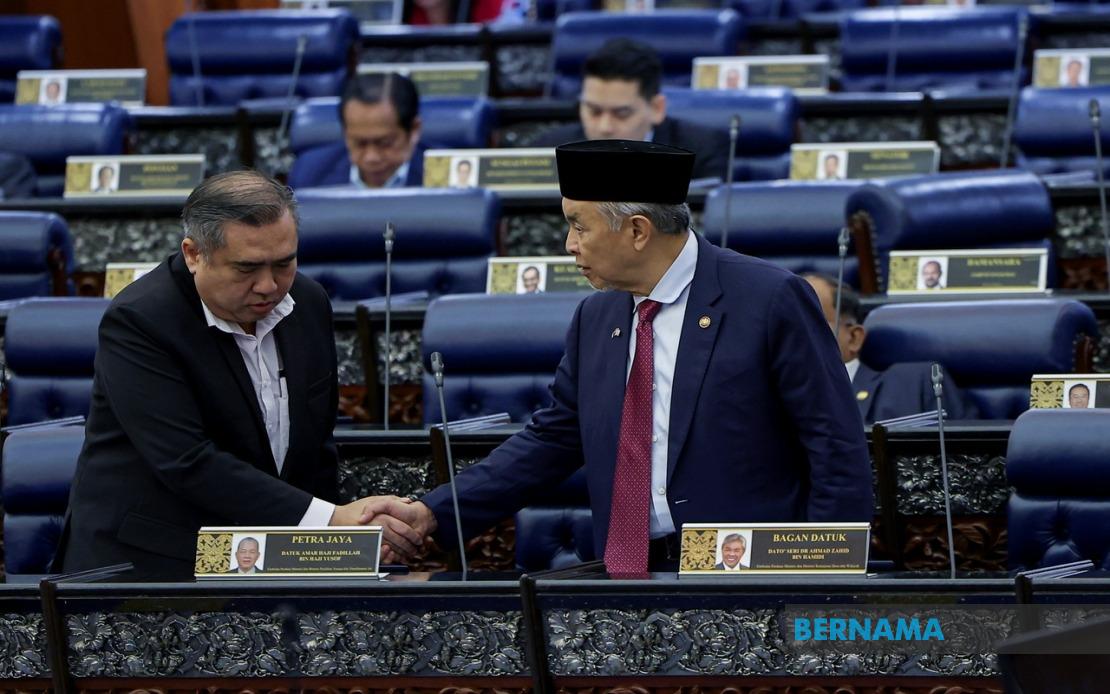
Malaysia is moving forward with substantially tougher road safety enforcement through the Road Transport (Amendment) Bill 2026, which received its first reading in the Dewan Rakyat today. Transport Minister Anthony Loke tabled the comprehensive legislation aimed at upgrading the regulatory framework governing vehicle use and driver conduct on Malaysian roads. The government intends to push the bill through its second reading during this parliamentary session, signalling the administration's commitment to addressing road safety concerns that have long plagued the country.
At its core, the amendment targets a broad spectrum of traffic infractions by raising financial penalties across the board. Drivers committing offences such as failing to display registration numbers, operating vehicles without proper licensing, exceeding speed limits, and defying traffic signals will now face minimum fines of RM500, up from the previous RM300 threshold. This increase, whilst modest in monetary terms, reflects the government's determination to make enforcement more meaningful as a deterrent. The revision covers violations related to vehicle construction and equipment standards, reinforcing the emphasis on roadworthiness alongside driver behaviour.
Illegal street racing, a persistent problem in urban areas, receives particular attention under the proposed amendments. The new Section 42A introduces a tiered penalty structure that escalates dramatically upon repeat offence. First-time offenders engaging in racing or speed-testing on public roads face RM2,000 to RM10,000 in fines, imprisonment of up to two years, or both. However, second convictions trigger substantially harsher consequences: between RM5,000 and RM20,000 in fines combined with a mandatory minimum five-year prison sentence. This escalatory approach reflects growing public concern about street racing culture, particularly among younger drivers, and attempts to create genuine deterrents through the prospect of substantial incarceration.
Driving with a suspended licence represents another area receiving enhanced penalties. Currently attracting a maximum one-year jail term or RM5,000 fine, the amended law proposes up to three years' imprisonment or fines between RM3,000 and RM10,000. This significant upgrade acknowledges that drivers operating under licence suspension have already demonstrated disregard for legal authority and pose elevated risks to public safety. The increased severity sends a message that persistent violation of licensing requirements warrants serious consequences.
False statements related to vehicle registration and licensing also face tougher sanctions under Clauses 28 and 28(b). Individuals making fraudulent declarations now risk fines up to RM200,000 and imprisonment for up to 10 years. These provisions target systematic abuse of registration systems and document falsification, crimes that undermine the entire enforcement infrastructure. By introducing penalties comparable to white-collar offences, the legislation recognises that administrative fraud enables dangerous vehicles and unfit drivers to remain on roads.
The bill grants expanded enforcement capabilities to police and road transport officers, including broader authority to control and redirect traffic. These enhanced powers complement the penalty increases by providing enforcement personnel with more effective tools to manage congestion and respond to hazardous situations. Simultaneously, the legislation introduces protections for these officials by establishing obstructing or assaulting enforcement officers as an arrestable offence, elevating such actions beyond simple harassment to serious crimes warranting immediate detention.
Micromobility devices, including electric scooters and similar micro-transportation vehicles, represent an emerging challenge for Malaysian regulators. The amendments establish formal procedures for detention and disposal of these devices, addressing a gap in current legislation. As cities increasingly grapple with unregulated scooter usage on pavements and roads, this provision provides authorities with legal mechanisms to manage the growing fleet of these vehicles and prevent them from obstructing public spaces or creating safety hazards.
Compounding authority, a mechanism allowing officers to settle minor offences without court proceedings, also sees enhancement. The maximum compoundable amount increases from RM300 to RM500, enabling authorities to process routine violations more efficiently whilst still maintaining meaningful financial consequences. This adjustment reflects inflation and changing circumstances whilst reducing court burden for straightforward cases.
A secondary provision grants the Transport Minister authority to prescribe fees for foreign motor vehicle entry permits, transferring this power from existing statutory arrangements. This administrative adjustment streamlines regulatory processes and allows for flexible fee structures responding to international vehicle movement patterns and cross-border traffic dynamics relevant to Malaysia's position in Southeast Asia.
For Malaysian motorists and road users, these amendments signal a marked shift in enforcement philosophy. Rather than relying primarily on licensing suspension or modest fines, the government now emphasises financial penalties that genuinely impact household budgets and criminal sanctions that threaten personal liberty. This evolution reflects frustration with persistent high road fatality rates and dangerous driving behaviours that have resisted traditional enforcement approaches.
The timing of this legislation coincides with broader regional discussions about road safety. Throughout Southeast Asia, countries grapple with motorcycle accident rates, reckless driving culture, and enforcement challenges. Malaysia's enhanced framework may influence neighbouring nations considering similar upgrades, particularly regarding street racing penalties and unlicensed driving consequences.
Practical implementation will determine the amendment's effectiveness. Training enforcement personnel, updating traffic management systems, and establishing consistent application across jurisdictions present logistical challenges. Additionally, the significant jump in penalties may face scrutiny from traffic law practitioners and civil society groups concerned about proportionality, particularly for first-time offenders committing lower-tier violations.
The bill now advances toward substantive parliamentary debate and potential amendments before final passage. Legislators will weigh public safety imperatives against concerns about penalty severity and enforcement consistency across Malaysia's varied jurisdictions.

