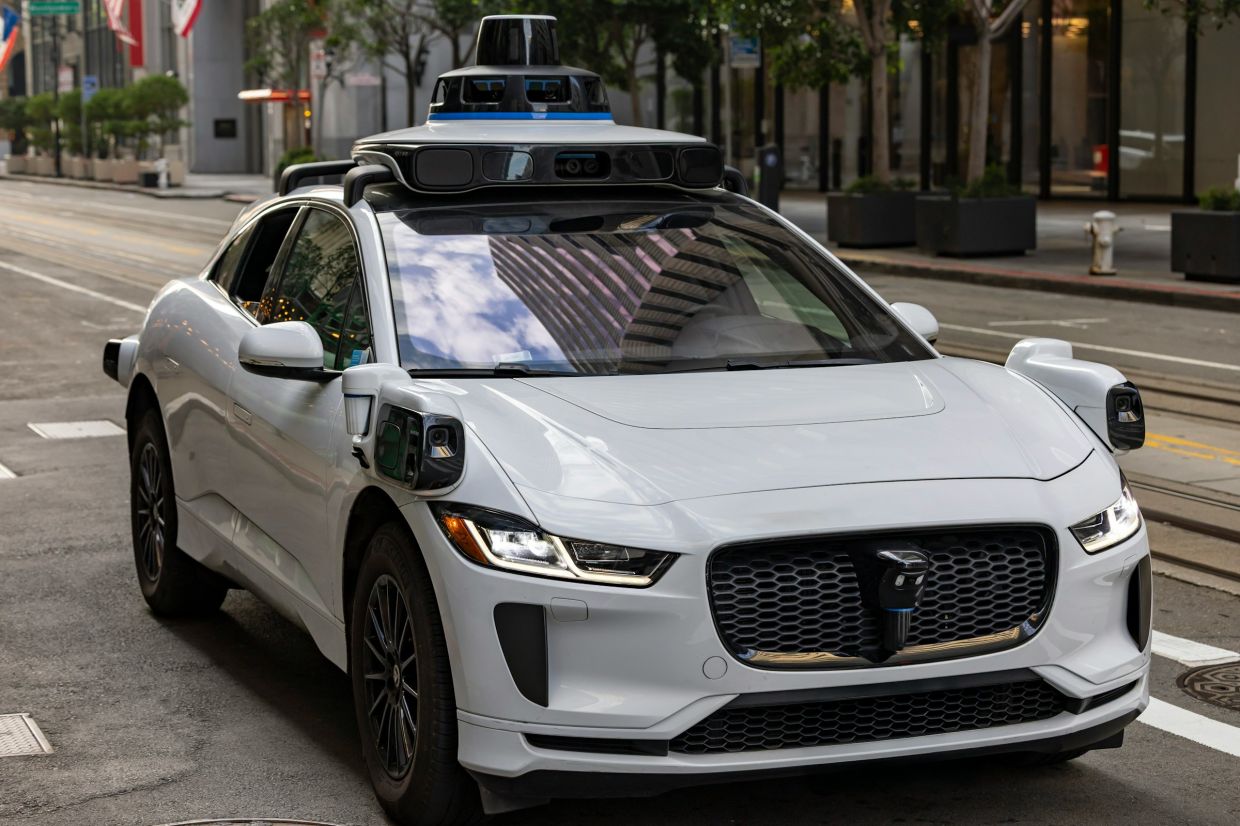
Autonomous vehicles marketed as safer alternatives to human drivers are facing a critical credibility crisis as documented incidents reveal alarming gaps between their capabilities and the demands of urban emergency response. A fatal gas explosion in late May exposed a fundamental weakness when a robotaxi's artificial intelligence system proved unable to yield the roadway to rescue teams, delaying response by over three minutes. The problem repeated itself weeks earlier during an active shooting at an Austin bar in March, where an autonomous vehicle became immobilised across an ambulance route while attempting a U-turn, forcing a police officer to manually relocate the stalled robotaxi so emergency services could proceed. These high-stakes failures have catalysed a political response, with Texas lawmakers enacting new legislation that imposes formal licensing requirements, mandatory emergency protocols, complaint mechanisms, and expanded regulatory powers over autonomous vehicle operators.
The safety record compiled by investigative journalism reveals a pattern far more troubling than the technology's advocates acknowledge. CNN's examination of hundreds of documented incidents identified autonomous vehicles running red lights, driving into oncoming traffic, entering active crime scenes, ignoring emergency road closures, and coming dangerously close to cyclists and pedestrians. Waymo, the dominant player in the American robotaxi market, has initiated multiple recalls and suspended operations across several cities following a series of weather-related malfunctions. Most dramatically, the company's vehicles drove into flooded streets in San Antonio and elsewhere, with one unoccupied robotaxi swept away entirely by rushing water. These are precisely the scenarios that autonomous systems are supposedly engineered to prevent, raising urgent questions about the adequacy of current programming and environmental sensors.
Waymo counters criticism by citing safety statistics showing their robotaxis are thirteen times less likely to cause serious injury crashes than human drivers. The company maintains that autonomous technology will ultimately transform road safety, a position that even cautious observers acknowledge holds genuine promise. However, this optimistic vision conflicts sharply with repeated real-world failures that suggest the technology remains unprepared for integration into complex urban environments where human judgment, flexibility, and instantaneous decision-making remain essential. The fundamental challenge transcends programming efficiency: it concerns whether artificial systems can adequately respond to the infinite variability of human behaviour and unplanned scenarios that characterise real cities.
Beyond the United States, robotaxi deployment in China has expanded dramatically, with thousands of autonomous vehicles now operating on the roads of major cities. Yet public confidence lags considerably behind official optimism about technological progress. When more than 100 Baidu robotaxis simultaneously halted operations in Wuhan, the company offered minimal transparency, attributing the malfunction vaguely to a "system failure" and declining meaningful engagement with media inquiries. This lack of accountability compounds safety anxieties already elevated by concerns about employment displacement among professional taxi drivers. The opacity surrounding these incidents suggests that regulatory frameworks in major autonomous vehicle markets remain inadequate for managing public trust and ensuring comprehensive accountability.
The Atlanta case in 2022 illustrated a different category of malfunction: a software glitch caused dozens of empty robotaxis to enter an endless loop in a residential cul-de-sac, circling repetitively and clogging the street for extended periods. Residents expressed alarm about dangers to children and pets from vehicles behaving erratically in spaces designed for human interaction. Such incidents underscore a critical gap between the controlled test environments where autonomous vehicles perform well and the organic chaos of neighbourhoods where residents and families navigate shared spaces. The "Waymo invasion," as locals termed the phenomenon, highlighted how algorithmic errors can transform technology designed to improve safety into a source of community disruption and legitimate apprehension.
The technical vulnerabilities underlying these failures run deeper than simple programming mistakes. Autonomous systems depend on integrated chains of decision-making involving sensor technology, object recognition algorithms, route logic, and critically, communication protocols between vehicles and emergency responders. If a robotaxi can unlock doors remotely but only after receiving official identification credentials, occupants could be trapped during urgent situations. Similarly, vehicles becoming immobilised while manoeuvring through narrow passages or past temporary barriers suggest that even statistically safer systems fail to achieve true fail-safe redundancy under demanding conditions. Emergency scenarios demand instantaneous responsiveness that current artificial intelligence systems struggle to provide, particularly when faced with environmental conditions or human signals that deviate from programmed parameters.
The disconnect between autonomous systems and human emergency protocols reveals a design philosophy gap. Traditional driver assistance systems were engineered for explicit interaction with attentive operators, whereas robotaxi operations demand comprehensive emergency integration spanning communication with hospitals, fire departments, police, and other services. Early autonomous vehicle malfunctions have stemmed not primarily from perception failures but from the inability of artificial systems to correctly interpret external human signals—the improvised gestures, urgent sirens, and contextual cues that human drivers intuitively understand. Until robotaxis can reliably recognize and respond to these signals, their integration into high-pressure situations involving medical emergencies or crime scenes will remain fundamentally risky.
Waymo's recent launch of the "Ojai" robotaxi, developed with Zeekr and powered by its sixth-generation software, represents the company's push to expand deployment across multiple cities. Yet significant uncertainty persists about whether incremental product improvements will translate into better emergency response performance. The new vehicle represents engineering advancement but does not address the core question of whether technological refinement can adequately compensate for the unpredictability inherent in urban environments where human and machine agency intersect. Texas's regulatory tightening suggests lawmakers doubt that company-driven innovation alone will ensure adequate safety standards without external oversight and enforceable compliance mechanisms.
The emerging regulatory landscape indicates a fundamental shift in how autonomous vehicle development will be managed moving forward. Rather than allowing technology companies to set their own safety standards, governments are increasingly aligning oversight frameworks with operational realities. This regulatory pressure will force autonomous vehicle manufacturers to embed compliance requirements directly into artificial intelligence architecture and infrastructure design. The question facing the industry is whether development timelines and innovation cycles can keep pace with expanding regulatory demands, or whether faster deployment ambitions will collide with slower political approval processes.
For Malaysian and Southeast Asian readers, these international incidents carry direct implications. Autonomous vehicle technology is advancing rapidly across the region, with several cities exploring pilot programmes and commercial deployments. The safety challenges documented in American and Chinese contexts will inevitably emerge here unless regulatory frameworks are established before, not after, widespread deployment. The Texas legislative response provides a model for establishing baseline standards around emergency protocols, transparency requirements, and operator accountability before robotaxis become everyday fixtures on Malaysian roads. Understanding these international failures offers an opportunity to avoid repeating them locally, ensuring that autonomous vehicle integration serves genuine safety improvements rather than privileging technological ambition over public protection. The window for establishing strong foundational regulations before commercial pressures override safety considerations is rapidly closing.

