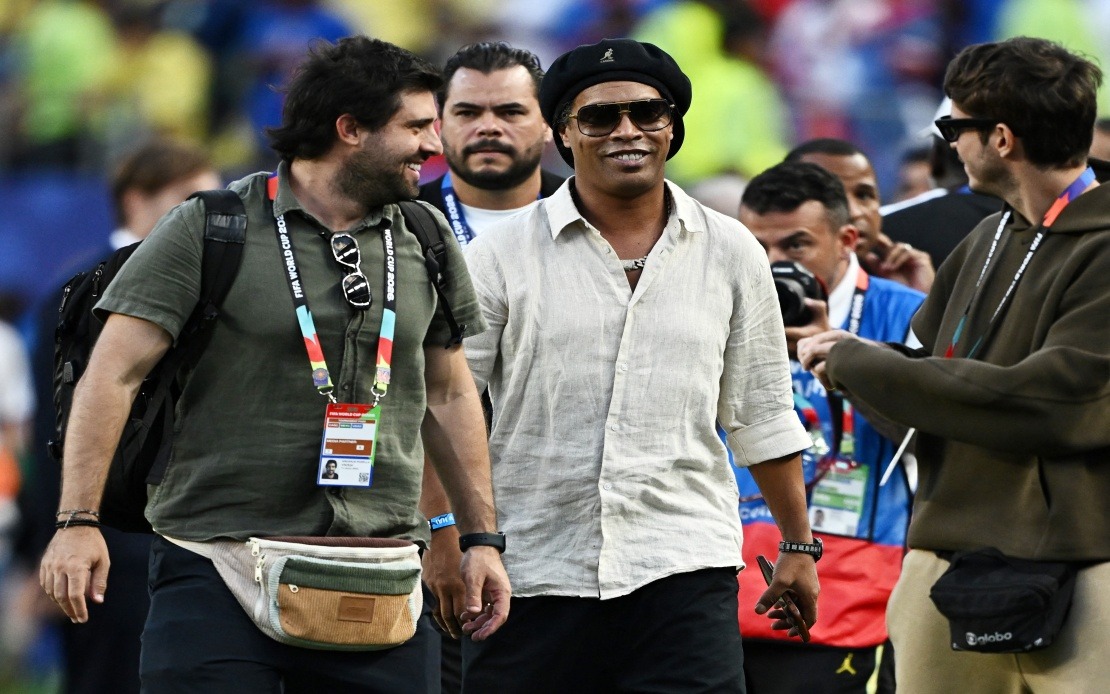
At 46 years old, Ronaldinho has apparently decided to lace up his boots once more. The legendary Brazilian footballer is preparing to sign with Ravenna, a club competing in Italy's third tier, according to reports from German Press Agency citing Italian sports media. The move represents a remarkable chapter in the career of one of football's most gifted entertainers, though significant questions remain about whether he will actually feature in competitive matches.
Ravenna's owner Ignazio Cipriani, a businessman and hotel chain proprietor, appears to be orchestrating the return. The club's vice-president, Ariedo Braida, acknowledged the unusual nature of the arrangement when speaking to ANSA news agency. When asked directly whether Ronaldinho would play, Braida offered a characteristically cryptic response: "We will see but it can't be ruled out. He is a champion, he knows no age." This cautious language suggests that while Ronaldinho will join the club officially, his actual participation in matches remains genuinely uncertain.
The Brazilian icon himself has expressed enthusiasm about the prospect, offering a statement that reflects both his enduring passion for the game and his poetic way of describing football. "I can't wait to dance with the ball again and write a new story with Ignazio and the whole Cipriani family," he remarked, using language that captures his distinctive style and artistic approach to the sport. Such rhetoric suggests this is more than a mere publicity stunt, though the reality of his physical capabilities at this advanced age for professional athletics remains unverified.
For Malaysian and regional football audiences, Ronaldinho's potential comeback holds particular significance. His career achievements established him as a generational talent whose influence transcended geographical boundaries. He captured the World Footballer of the Year award twice, cementing his status among the sport's absolute elite. In 2002, he helped Brazil capture the FIFA World Cup in South Korea and Japan, an accomplishment that brought glory to the nation and inspiration to young players across Asia and beyond.
Beyond his World Cup triumph, Ronaldinho's club career produced exceptional moments. During his time at Barcelona, he won the Champions League in 2006, introducing millions of viewers to his distinctive flair and technical mastery. Later, his move to Atletico Mineiro resulted in a Copa Libertadores victory in 2013, demonstrating that his creative influence remained potent well into his thirties. These achievements made him a cultural icon in football-loving nations throughout Latin America, Europe, and Asia.
The timeline of his departure from elite football is instructive. Ronaldinho's last professional match came in 2015 while wearing the colours of Rio de Janeiro club Fluminense. Rather than attempting an immediate comeback, he maintained his retirement, eventually transitioning to futsal in India's Premier Futsal League during two separate stints. This gradual withdrawal from professional football seemed to indicate a final farewell to the sport at the highest levels, making this potential Ravenna signing all the more unexpected.
The Italian club's third-division status represents a considerable step down from where Ronaldinho last competed seriously. Nevertheless, such positioning makes the arrangement more plausible. A lower-tier club faces less scrutiny regarding match performance and enjoys greater flexibility in squad composition and playing arrangements. Ravenna's willingness to embrace this unconventional signing reflects both the commercial appeal of Ronaldinho's global brand and the club's ambitions to generate publicity and engagement.
The announced clarification event in Miami suggests that both Ronaldinho and Ravenna recognize the need for transparent communication regarding the extent of his involvement. Such an announcement platform indicates this is not simply a quiet administrative arrangement but rather a significant media moment. The choice of Miami, a major hub for South American sports figures and business interests, provides symbolic weight to the occasion and suggests careful planning.
For Southeast Asian football fans who followed Ronaldinho's career religiously, this development carries emotional resonance. His retirement marked the passing of an era in which Brazilian creativity and flair represented the gold standard in world football. A return, even at a symbolic level, allows supporters to revisit that era and witness, however briefly, a player whose combination of skill and artistry captured imaginations across generations and continents.
The broader implications for football's veteran player market deserve consideration. Ronaldinho's potential move demonstrates the continued commercial value that legendary names carry, even as their athletic peak recedes into history. For aspiring players approaching the end of their careers, his example suggests that creative arrangements and lower-tier opportunities may provide pathways to remain involved in professional football beyond the traditional timeline.
Ravenna's approach also illustrates evolving attitudes in modern football toward non-traditional player acquisitions. Rather than viewing a 46-year-old signing as purely frivolous, the club has positioned it within a framework that balances sporting integrity with commercial opportunity. Whether this proves prescient or premature will become apparent at the Miami announcement and subsequently through whatever match appearances, if any, materialize.
For Malaysian audiences tracking global football developments, Ronaldinho's Ravenna saga encapsulates football's enduring ability to surprise and captivate. The prospect of one of the sport's greatest entertainers taking the field once more, regardless of competitive level or duration, provides narrative threads that transcend the purely athletic and speak to larger themes of passion, legacy, and the human desire to revisit cherished chapters of our lives.

