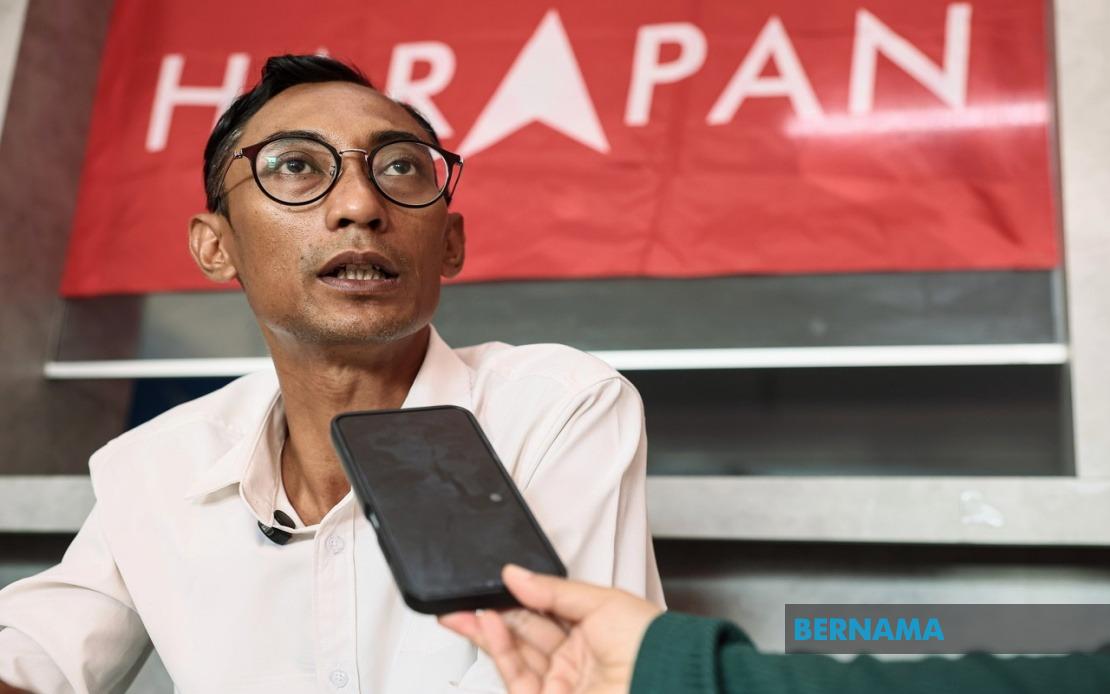
Pakatan Harapan's Saiful Nizam Samat has staked his campaign for the Endau state seat on a distinctive pitch: positioning himself as a conduit between his constituency and Putrajaya. The centrepiece of his 'Suara Endau ke Putrajaya' (Endau's Voice to Putrajaya) mission, unveiled during campaigning in Mersing ahead of the July 11 Johor state election, reflects a calculated strategy to differentiate himself from rivals by emphasising institutional connectivity rather than local patronage alone. This approach suggests that in a competitive four-way contest, the ability to navigate federal machinery and expedite development projects may carry significant weight with voters increasingly focused on tangible outcomes.
The rationale behind Saiful Nizam's framing is straightforward yet politically astute. By explicitly rejecting safer urban strongholds such as Iskandar Puteri or Kota Iskandar, the PH candidate is signalling that his choice of Endau reflects serious intent to represent the constituency's particular needs rather than pursue an easier electoral path. He argues that direct alignment with the federal government—controlled by a PH-led coalition—would streamline communication channels and accelerate coordination of development initiatives, potentially unlocking resources and infrastructure projects that might otherwise languish in bureaucratic channels. For a rural constituency like Endau, where infrastructure deficits and service accessibility remain persistent challenges, such efficiency gains carry genuine appeal.
Early feedback from the campaign trail has apparently vindicated this approach. During the opening week of campaigning, Saiful Nizam reported encouraging responses across demographic segments, from youth voters to senior citizens, suggesting that the message resonates beyond a single age group or community. This broad-based appeal is strategically important in a seat where Orang Asli communities constitute a significant portion of the electorate, alongside Malay and other populations. The diversity of his reported support base indicates that his federal coordination narrative transcends narrow communal interests and frames development as a collective endeavour.
To amplify his message, the campaign has deployed a multimedia strategy that blends traditional ground organisation with digital outreach. The composition of a theme song—deliberately crafted to be light-hearted and catchy—represents a deliberate effort to capture attention in an increasingly cluttered information environment where voters face multiple competing messages. This tactic, particularly aimed at younger voters who consume political content through social media and entertainment platforms, reflects awareness that conventional speeches and door-knocking alone may no longer suffice. The integration of musical and cultural elements into political communication has proven effective in Malaysian campaigns, creating memorable touchstones that extend campaign reach beyond formal political spaces.
Saiful Nizam's planned visits to multiple polling districts, with particular emphasis on Orang Asli settlements, underscore the granular, community-specific approach underlying the broader 'Endau's Voice' narrative. Rather than treating the constituency as a monolith, the campaign acknowledges distinct geographic and demographic clusters within Endau, each with potentially different priorities and communication preferences. This differentiated engagement strategy suggests a more sophisticated electoral organisation than simple mass messaging, though it also demands substantial on-ground resources and volunteer coordination.
The incumbent he faces, Barisan Nasional's Alwiyah Talib, brings the advantage of two terms in office and the machinery of the ruling state coalition. However, Alwiyah's tenure coincides with a period of significant political upheaval in Johor and Malaysia more broadly, which may have eroded the incumbency advantage in ways not immediately apparent from formal indicators. The rise of dissatisfaction with BN's long dominance, particularly among younger voters and urban constituencies, has created openings for opposition candidates in seats that might once have been considered safe.
Completing the four-way contest are Perikatan Nasional's Hasnul Hakimi Hussien and Jati Awang of Parti Orang Asli Malaysia. The presence of an ASLI-backed candidate potentially fragments the non-BN vote, though it also reflects genuine political mobilisation within the Orang Asli community. For Saiful Nizam, ASLI's presence could prove either advantageous or problematic depending on which non-BN voters it attracts; if it pulls support from PH while Alwiyah consolidates BN votes, the result could benefit the incumbent. Conversely, if ASLI primarily attracts voters who would otherwise support PN, it might inadvertently benefit the PH candidate.
Saiful Nizam's explicit call for Endau voters residing outside the constituency—in Singapore, the Klang Valley, and elsewhere—to return for polling day reflects recognition that voter migration patterns have reshaped electoral demographics. The presence of a diaspora electorate with weekend voting patterns (the election is on Saturday) can be decisive in marginal seats. This appeal to non-resident voters also subtly reinforces his campaign narrative: that Endau's interests extend beyond geographical boundaries and that those who have left maintain stake in the constituency's future. It is a pitch that acknowledges contemporary Malaysian mobility while reaffirming communal bonds.
The timing of Saiful Nizam's campaign, now in its closing week with early voting scheduled for July 7 and polling on July 11, has compressed the window for undecided voters to make choices. Final campaign pushes typically target persuadable swing voters and focus on turnout mobilisation among committed supporters. For PH, the Endau race forms part of a broader Johor contest that will shape the party's trajectory in Malaysia's second-largest state by population and a historically significant PH stronghold in earlier administrations.
The 2023 Johor state election represents a critical referendum on whether the PH federal government and state leadership have delivered tangible benefits to constituencies like Endau. Saiful Nizam's campaign, by emphasising better communication and coordination between local and federal tiers, implicitly acknowledges that delivery on development promises has been uneven or insufficiently visible. Whether voters find this narrative of improved federal-state alignment compelling enough to overcome the incumbent's structural advantages will become apparent once ballot boxes close on July 11. The outcome will offer insights into whether opposition candidates can overcome the incumbency effect in state contests through positioning themselves as more effective intermediaries with federal resources.

