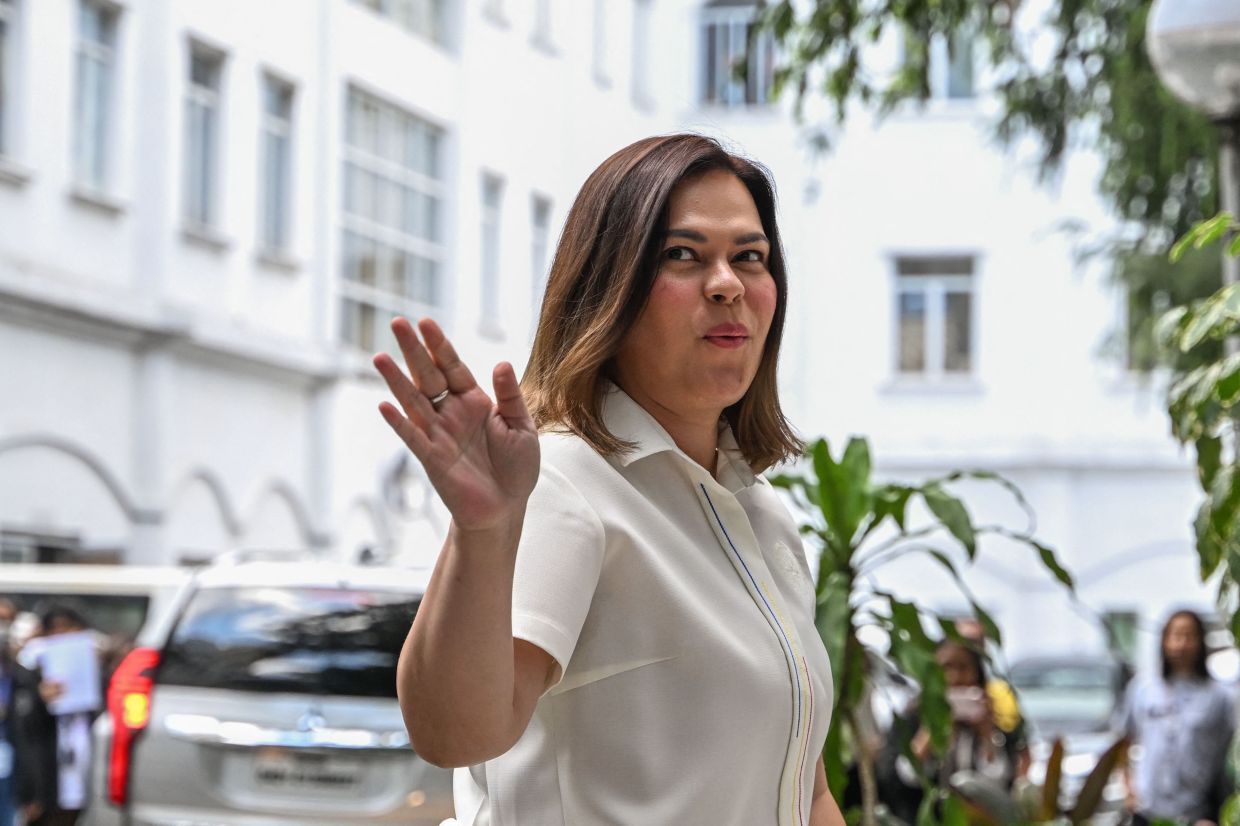
Vice President Sara Duterte is currently abroad on a month-long foreign excursion that received presidential approval, even as impeachment proceedings against her continue in Manila. Malacanang confirmed on Tuesday that President Ferdinand Marcos Jr authorised the trip through the Office of the Executive Secretary, with Duterte's departure scheduled from July 16 through the end of the month. The disclosure came as her impeachment trial entered its substantive phase, marking a significant procedural development in the politically charged case.
Duterte's approved itinerary encompasses a wide geographical sweep across Europe and the Middle East, taking her through Qatar, Germany, the United Kingdom, Northern Ireland, and the Netherlands. Palace press officer Claire Castro characterised the journey as a "personal trip," distinguishing it from official state business or government duties. The visit reflects the Vice President's freedom of movement under Philippine law, even while facing the extraordinary constitutional process of impeachment—a rare scenario that underscores the extraordinary tensions within the Marcos administration.
Currently positioned in The Hague, Duterte's presence in the Dutch capital carries particular symbolic weight given her location near the International Criminal Court, where her father's case has become an international focal point. Former President Rodrigo Duterte remains in detention at the ICC, having been arrested by Philippine authorities in March 2025 following an international arrest warrant. The former leader faces trial before the ICC's judges on November 30, accused of crimes against humanity stemming from his tenure as both Davao City mayor and Philippine President.
The International Criminal Court charges relate to alleged extrajudicial killings perpetrated during the aggressive anti-drug and anti-criminal campaigns that characterised Rodrigo Duterte's administration from 2011 through 2019. Prosecutors contend that the former president bears indirect responsibility as a co-perpetrator, having orchestrated and authorised policies that resulted in widespread civilian deaths. The case represents one of the most significant tests of the ICC's jurisdiction and credibility in prosecuting sitting or former leaders from Asia.
Sara Duterte's decision to travel to The Hague while her impeachment trial unfolds in the Philippines suggests a deliberate statement about her priorities and concerns. Her presence near her father's detention facility sends a clear message of familial solidarity during a period of unprecedented legal jeopardy for the Duterte political clan. The timing of the trip, coinciding with active impeachment proceedings, has not escaped the notice of political observers who view the manoeuvre as potentially strategic in managing public perception during an intensely partisan constitutional crisis.
The impeachment process targeting the Vice President has become deeply fractionalised along party and regional lines, with accusations ranging across various domains of government conduct. Her departure during this critical phase raises questions about whether absenting herself from the capital might affect proceedings, though constitutional rules and parliamentary procedures continue regardless of her physical presence. Defence counsel and supporting lawmakers have maintained continuity in presenting her case before the impeachment court.
Defence spokesperson lawyer Michael Poa confirmed Duterte's current location during a press conference preceding Tuesday's impeachment session, stating that the Vice President remains in The Hague but indicating her imminent return to the Philippines. Poa's measured remarks underscored the legal team's apparent confidence that the temporary absence poses no impediment to mounting an effective defence against the impeachment charges. The spokesperson's public acknowledgment of her whereabouts also served to preempt speculation or criticism about the Vice President's participation in proceedings.
The approval of Duterte's foreign travel by President Marcos Jr presents an intriguing dimension to their relationship within the administration. Despite their previous antagonism and the current impeachment crisis, the President maintained constitutional authority to permit the Vice President's international movement, which he exercised. This decision suggests either pragmatic accommodation or potential calculation regarding the optics and trajectory of the impeachment trial.
For Malaysian and Southeast Asian observers, the Duterte impeachment saga illuminates the volatile intersection of family political dynasties, international criminal accountability, and presidential succession struggles within a major regional nation. The case demonstrates how the ICC's reach into Asian political affairs continues to generate friction and reshape domestic political alignments. The timing of Sara Duterte's foreign sojourn during impeachment proceedings also raises broader questions about the institutional resilience of constitutional processes when major political actors are simultaneously navigating extraordinary legal pressures and international legal exposure.
The unfolding crisis within the Duterte family and its implications for Philippine governance carries reverberations across Southeast Asia, where questions of democratic accountability, presidential power, and the role of international justice mechanisms remain contested. As the Vice President returns from Europe and the former President awaits trial at the International Criminal Court, the political and legal trajectory of both will significantly influence regional perceptions of how Southeast Asian democracies manage cases involving high-level officials and alleged systemic abuses.

