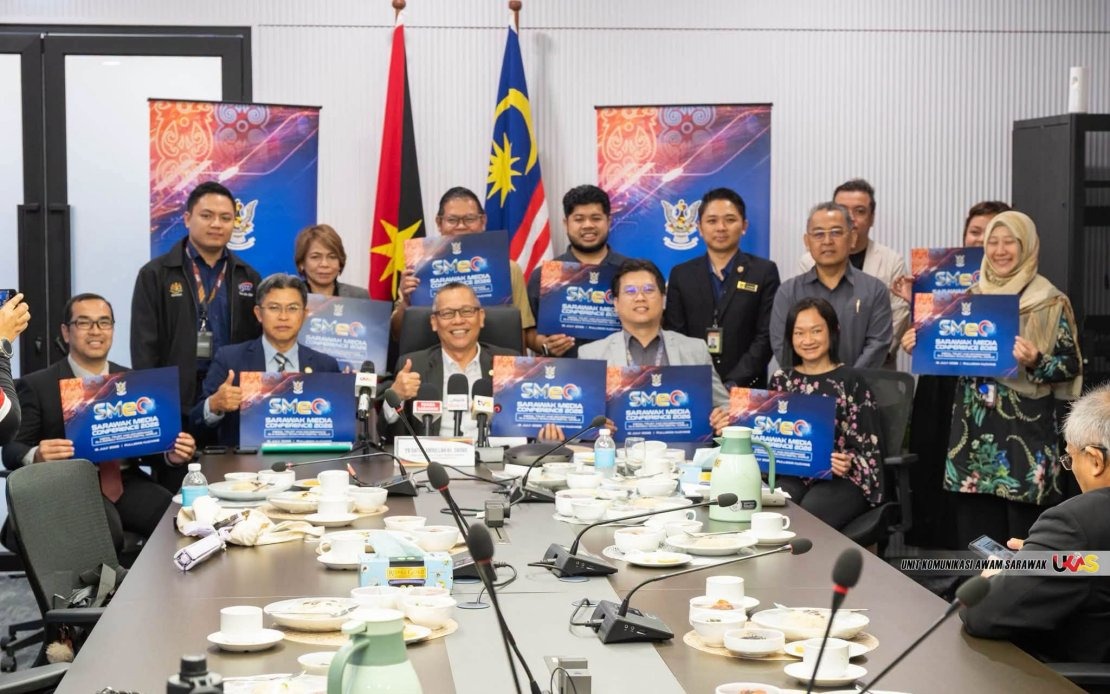
The Sarawak Government is preparing to host a significant gathering of media and communications stakeholders next year, with the Sarawak Media Conference (SMeC) 2026 expected to attract around 800 participants from across the region. The event, being coordinated through the Sarawak Public Communications Unit (UKAS), will provide a platform for frank discussion on the multifaceted challenges confronting the modern media ecosystem, particularly as technology reshapes how information flows through society. Sarawak Premier Tan Sri Abang Johari Tun Openg will officially open the conference, underscoring the state government's commitment to engaging with industry stakeholders on these critical issues.
The conference theme, "Media, Trust and Governance in a Rapidly Evolving Digital World," reflects a recognition within Sarawak's leadership that public confidence in media institutions has become increasingly fragile. Datuk Abdullah Saidol, Deputy Minister in the Sarawak Premier's Department overseeing corporate affairs and communications, explained that participants will concentrate on two interconnected areas: restoring and strengthening public trust in media outlets, and establishing robust governance frameworks that can guide the sector through rapid technological change. These concerns resonate far beyond Sarawak's borders, as Southeast Asian societies grapple with similar pressures from misinformation, algorithmic manipulation and the erosion of traditional journalistic standards.
The inclusion of artificial intelligence in the conference agenda signals growing anxiety about how emerging technologies will transform journalism and public discourse. Rather than viewing AI as purely a threat, organisers have framed the discussion as exploring both opportunities and risks. Ethical journalism remains a cornerstone of the dialogue, suggesting that participants will examine how traditional professional standards can be preserved and adapted as newsrooms increasingly deploy machine learning tools for newsgathering, fact-checking and content distribution. This balance between innovation and principle will likely resonate with Malaysian and regional media organisations wrestling with similar dilemmas.
The speaker roster demonstrates the calibre of expertise the conference will bring together. Lunnie Gan, founder of SOL Digital, brings perspective from the technology and digital media sector, while Premesh Chandran, deputy chairman of the Malaysian Media Council (MMC), offers insights from Malaysia's media regulatory framework. The inclusion of both digital entrepreneurs and governance specialists suggests the conference intends to bridge the often-fractious divide between traditional media institutions and the technology companies that have disrupted their business models and influence.
Beyond the daytime conference sessions, the organisers have scheduled an evening event that will combine celebration and recognition. The dinner will mark the Sarawak-level National Journalists' Day (HAWANA) 2026 celebration, honouring the profession while also welcoming Deputy Prime Minister Datuk Seri Fadillah Yusof as a special guest. This pairing of academic conference with professional recognition sends a message that journalism remains a valued calling worthy of both serious intellectual engagement and formal appreciation from the highest levels of government.
The Sarawak Premier's Special Appreciation Awards will honour excellence across five distinct categories, reflecting the diversity of modern journalism practice. Recognition for editors, journalists and stringers acknowledges traditional reporting roles, while separate categories for photographers, videographers, radio presenters and social media influencers demonstrate an inclusive understanding of who constitutes the contemporary media landscape. This categorical approach acknowledges that journalism now encompasses far more than print and broadcast, and that citizen media and digital content creators have become integral to information dissemination in Malaysian society.
For participants from Peninsular Malaysia and other Southeast Asian nations, the conference offers valuable opportunity to benchmark their own media environments against developments in Sarawak. The state has maintained distinct regulatory and political dynamics, and its approach to media governance and trust-building offers comparative insights. The gathering will likely surface practical case studies and regional perspectives that transcend any single state or nation, contributing to a broader Southeast Asian conversation about sustaining democratic discourse in an age of digital disruption.
The conference represents a proactive approach by Sarawak's government to shape discussion about media's future rather than simply react to crises or controversies as they emerge. By bringing together 800 people—practitioners who work in the field daily, academics who study media effects and theory, policymakers who establish regulatory frameworks, industry leaders who determine resource allocation and investment, and students who represent the next generation of communicators—the organisers have created conditions for genuine cross-sector dialogue. This inclusive model addresses a persistent challenge in media governance: ensuring that discussions involve all stakeholders rather than devolving into conversations among elites disconnected from frontline media workers.
The emphasis on governance and institutional trust speaks to deeper concerns about the viability of media as a democratising force. Throughout Southeast Asia, traditional media institutions have lost audiences and advertising revenue to digital platforms, while simultaneously facing pressure from governments and powerful interests to align coverage with particular political narratives. Rebuilding public trust requires not just better journalism but also transparent governance structures that demonstrate independence and accountability. The SMeC 2026 agenda suggests Sarawak's leadership recognises these systemic challenges and is committed to fostering solutions grounded in ethical practice and professional standards.
As Malaysia and the broader region confront questions about media literacy, misinformation, artificial intelligence and the future of journalistic institutions, the Sarawak Media Conference 2026 will provide a significant moment for reflection and forward planning. The gathering promises to produce insights and recommendations that may inform media policy discussions across Malaysia and potentially throughout Southeast Asia, contributing to regional dialogue on how to preserve the democratic and social functions of journalism while adapting to technological change.

