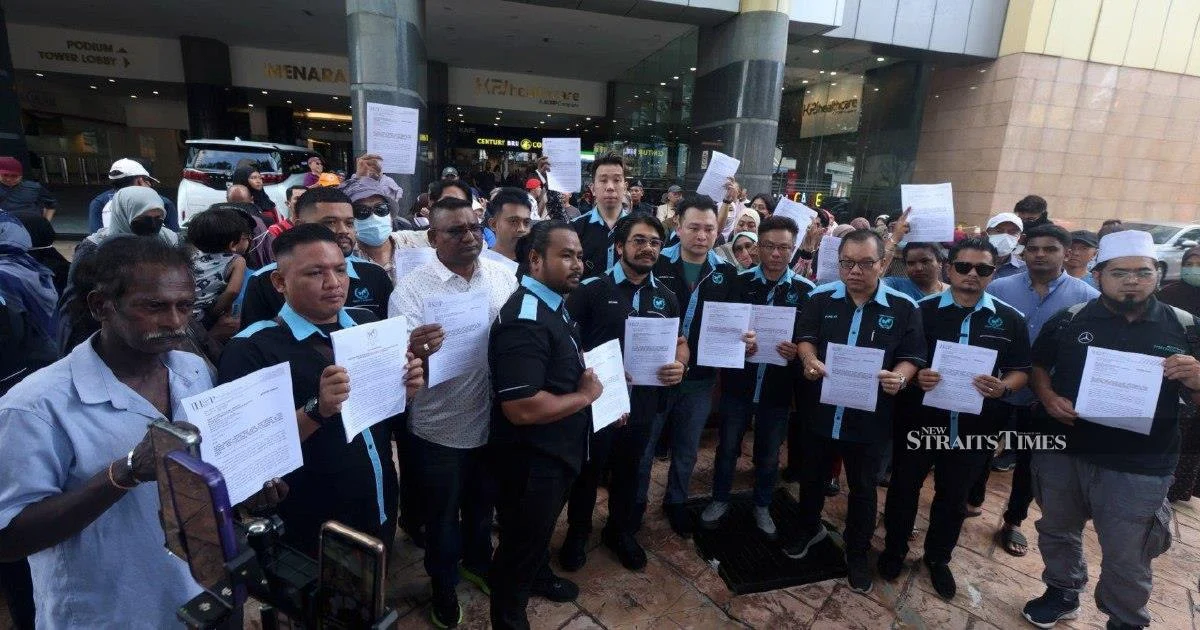
Over 100 investment scam victims rallied in Kuala Lumpur today, pressuring law enforcement to speed up investigations targeting 18 companies and digital platforms accused of orchestrating coordinated fraud operations. The gathering, organised by the Malaysia International Humanitarian Organisation (MHO), underscores growing frustration among defrauded investors over what many perceive as sluggish progress in bringing perpetrators to justice.
The scale of the victim turnout highlights the severity of investment fraud affecting ordinary Malaysians, many of whom have lost substantial savings to schemes promising unrealistic returns. These syndicates typically operate across multiple platforms and jurisdictions, making investigations complex and time-consuming. The involvement of a humanitarian organisation in amplifying victims' voices suggests that police resources may be stretched thin, with cases competing for priority amid competing demands on investigative capacity.
Investment scams represent one of the fastest-growing categories of financial crime in Malaysia and across Southeast Asia. Perpetrators often exploit technological sophistication and psychological manipulation, targeting both financially literate professionals and less experienced savers alike. The presence of 18 alleged companies under investigation indicates an unusually large criminal network, or alternatively, that law enforcement has identified multiple entities operating parallel schemes with similar methodology.
The MHO's decision to mobilise over 100 victims simultaneously carries significant political and public pressure implications. Such organised demonstrations of victim grievance typically precede intensified media scrutiny and parliamentary questions, forcing law enforcement agencies to demonstrate tangible progress. For Malaysian police, the timing creates pressure to allocate additional investigative resources, pursue asset recovery more aggressively, and secure early prosecutions that can serve as deterrents.
Effectively investigating syndicated investment fraud requires coordination between multiple agencies—police commercial crime units, the Securities Commission, Bank Negara Malaysia, and increasingly, international partners. The complexity multiplies when investigating overseas-based facilitators or when victims' funds cross borders. Each delay in investigation compounds victim trauma, as perpetrators potentially continue operating or relocate operations elsewhere in Southeast Asia, where regulatory oversight varies considerably by jurisdiction.
The financial impact on individual victims can be devastating. Investors who believed they were funding legitimate business ventures or regulated investment products often discover their capital has been diverted entirely. Recovery rates in Malaysian fraud cases historically remain low, as perpetrators move assets offshore or dissipate funds rapidly. This reality likely explains why victims are taking the extraordinary step of public protest—they recognise that speedy investigation and prosecution offers their best chance of asset recovery through the courts.
Law enforcement agencies face genuine investigative challenges beyond simple negligence. Digital forensics demands specialist expertise, examining encrypted communications and cryptocurrency transactions. International asset tracing requires cooperation agreements that can take months to negotiate. Defendants frequently employ sophisticated legal defences, extending trial timelines substantially. Nevertheless, the public perception among victims and their advocates is that cases are moving slower than acceptable for crimes involving mass victimisation.
From a regulatory perspective, the emergence of 18 suspected entities raises questions about pre-investment screening mechanisms. Malaysia's financial regulatory bodies have strengthened oversight of licensed investment platforms significantly in recent years, yet fraudsters continue identifying gaps in the system. Some operate under the guise of unregistered investment clubs or peer-to-peer lending platforms, deliberately obscuring their nature to evade regulation. Others exploit the difficulty of distinguishing between legitimate high-yield investment schemes and fraudulent operations, particularly among less financially educated demographics.
The broader implications for Southeast Asia are substantial. Investment fraud cases in one country often involve perpetrators, accomplices, and victims across multiple nations. Malaysia's response to these 18 companies will influence how regional law enforcement coordinates on cross-border financial crime. Effective prosecution and asset recovery could establish procedural templates for bilateral and multilateral investigations, while inadequate action might embolden criminals to expand operations regionally.
For Malaysian consumers, the MHO's action serves as a stark reminder of investment vigilance. Regulatory warnings against unlicensed investment platforms receive insufficient public attention, and many Malaysians remain vulnerable to sophisticated social engineering tactics employed by fraud syndicates. These typically involve fake testimonials, fabricated regulatory approvals, and pressure tactics to accelerate fund transfers. Enhanced investor education, while important, cannot substitute for aggressive law enforcement action against perpetrators.
The pressure campaign also reflects victim communities' realisation that individual complaints to police often languish. Collective action forces administrative priority-setting, ensures sustained attention, and generates media coverage that can produce investigative breakthroughs through public tips. This dynamic—victims mobilising as advocates rather than accepting bureaucratic timelines—increasingly characterises responses to financial crime across Asia.
Moving forward, police must balance investigative thoroughness with victim expectations for speed. Premature prosecutions can collapse in court, undermining public confidence further. Yet demonstrable progress—whether through asset freezes, interim court orders, or progress updates—would acknowledge victims' plight and restore confidence in the system. The involvement of humanitarian organisations in crime victim advocacy represents a significant shift in how Malaysian civil society holds law enforcement accountable.

