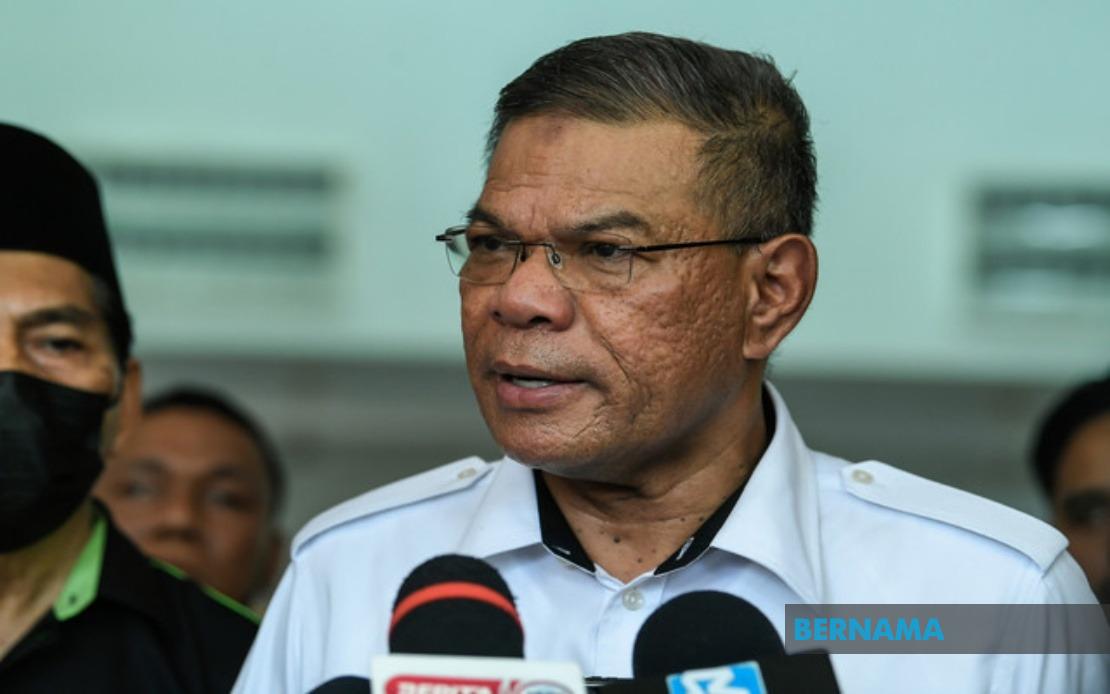
Malaysia's approach to student safety has expanded considerably beyond tackling bullying cases, according to Home Minister Datuk Seri Saifuddin Nasution Ismail, who stressed the multifaceted responsibilities carried by School Liaison Officers deployed across the country. Speaking in Kulim after inspecting a fire-damaged hostel at Sekolah Menengah Agama Tarbiah Diniah, Saifuddin outlined how the Royal Malaysia Police operates this initiative as a comprehensive safeguarding mechanism designed to protect young people during school hours and in residential facilities.
The School Liaison Officer programme represents a strategic attempt to embed police presence within educational institutions while maintaining collaborative relationships with teachers, administrators, parents and students themselves. These officers, drawn from district police headquarters and nearby stations, engage in regular programmes and activities aimed at fostering trust and open communication. The initiative reflects recognition that schools face diverse security and welfare challenges requiring dedicated monitoring and swift intervention capacity when incidents arise.
Saifuddin clarified that the police-led programme forms only part of Malaysia's broader institutional safety framework in schools. The Home Ministry additionally deploys personnel from the National Anti-Drugs Agency, extending oversight into substance abuse prevention and wider student wellbeing matters. This multi-agency approach attempts to address varied threats to educational environments, from violence and bullying through to drug-related incidents and accidental emergencies. The minister cited examples including recent investigations into student fall incidents, demonstrating how safety protocols extend beyond interpersonal conflict to encompass accident prevention and response mechanisms.
Recent bullying incidents gaining traction on social media, particularly a case in Cheras that sparked public concern, have intensified scrutiny of school safety protocols. However, Saifuddin's remarks suggest the government views such incidents as symptoms of broader institutional vulnerabilities requiring comprehensive response rather than isolated problems addressable through single interventions. By positioning School Liaison Officers within this wider framework, the ministry attempts to project an image of coordinated, multi-layered protection.
The fire that swept through the hostel at Sekolah Menengah Agama Tarbiah Diniah early on July 22, destroying the building and affecting 116 residents, illustrated how swiftly institutional crises can unfold in school settings. The blaze broke out around 2:30 am, catching students during vulnerable overnight hours when normal supervision structures prove insufficient. This incident provided immediate context for Saifuddin's remarks about comprehensive safety monitoring, underlining how school environments require protection against multiple hazard categories.
Government response to the hostel fire demonstrated mobilised emergency protocols. Each of the 116 affected students received RM500 in immediate cash assistance, recognising that many lost all personal belongings in the flames and required funds to purchase replacement uniforms, textbooks and other essentials. Several students reportedly remained with only the clothes worn during evacuation, underscoring the severity of material loss experienced. This financial intervention aimed to minimise educational disruption for vulnerable young people who had already endured trauma.
Beyond immediate cash support, authorities moved swiftly to address temporary accommodation needs. Following briefing the Prime Minister on the incident, Saifuddin secured approval for RM200,000 allocated toward constructing temporary housing, signalling commitment to restoring normal residential arrangements within reasonable timeframes. The State Development Office would channel emergency allocations toward this infrastructure project, demonstrating coordination across government tiers. This commitment reflected acknowledgment that displaced students required stability and proper facilities to continue their education without prolonged disruption.
Identity document replacement represented another critical need following the fire. The National Registration Department deployed mobile services directly to the school, enabling affected students to obtain replacement identity cards without charge. This intervention removed bureaucratic friction that might otherwise complicate already complex situations facing students managing property loss and temporary relocation. Such coordination reflected understanding that institutional crises create cascading practical problems requiring proactive government problem-solving rather than reactive responses to individual requests.
The financial commitment extended to institutional support structures as well. Saifuddin's office contributed RM10,000 to the school's Parent-Teacher Association, bolstering community organisations' capacity to provide additional student support. This acknowledged that schools and parent bodies often mobilise supplementary assistance when formal government channels prove insufficient. By strengthening PTA resources, authorities enabled community-level responses to emerge organically alongside official interventions.
Saifuddin characterised the government's comprehensive response as reflecting the MADANI administration's prioritisation of institutional safeguarding affecting children. His framing emphasised that incidents damaging school facilities carry profound implications for student welfare and learning continuity, justifying mobilised governmental resources. This narrative positioning suggested that school safety constitutes not peripheral administrative concern but central governance priority warranting cross-agency coordination and substantial financial commitment.
For Malaysian families, the episode underscored how swiftly circumstances within educational institutions can deteriorate and how governmental capacity to respond depends upon pre-existing institutional frameworks like School Liaison Officers and emergency allocation systems. The multi-agency approach spanning police, anti-drugs personnel and other ministry resources represents attempts to create overlapping safeguards against diverse threats. Whether such frameworks prove sufficient remains subject to ongoing debate, particularly as social media amplifies visibility of individual incidents, yet the government's response suggests expanding commitment to institutional safety monitoring.
Regionally, Malaysia's approach to school safety reflects broader Southeast Asian patterns where governments balance institutional oversight with community-based mechanisms. The reliance on police-deployed liaison officers mirrors approaches adopted elsewhere, though supplementation through specialised agencies like anti-drugs authorities adds distinctive elements. As school safety concerns persist across the region, experiences from major incidents like the Kuala Nerang fire may inform policy discussions and resource allocation patterns throughout Southeast Asia.

