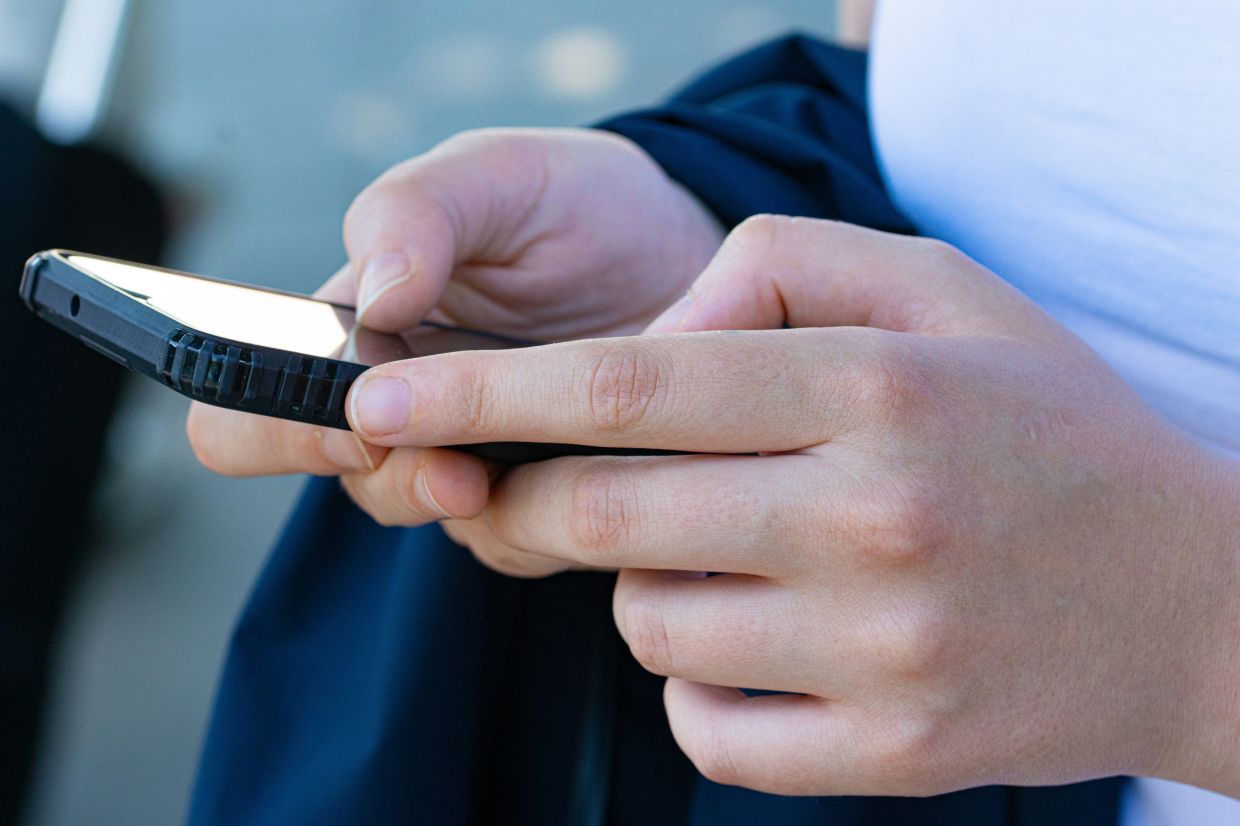
The Selangor State Secretary's Office has issued a cautionary statement alerting residents to potential online scams related to the KitaSelangor Voucher Programme, emphasizing that fraudulent SMS messages are circulating in advance of the official programme launch. Authorities stressed that the public should remain vigilant and refrain from responding to unverified communications purporting to be from the state government, as cybercriminals often exploit high-profile assistance schemes to extract personal information or direct victims to phishing websites.
The timing of the warning is significant, as applications for the initiative have not yet been officially opened to the general public. The state government has made clear that any legitimate communication regarding eligibility and application procedures will come exclusively through established and verified official channels managed by the Selangor State Government. This pre-emptive alert underscores growing concerns about fraud targeting vulnerable populations who may be more susceptible to social engineering tactics during periods of financial hardship.
Residents eligible for the assistance will receive official notification through SMS beginning June 23, which will provide them with instructions to verify their personal details and proceed with formal applications via the dedicated KitaSelangor Voucher Portal. This phased notification approach allows the state to manage the volume of applications while maintaining security protocols. However, the public has been explicitly advised to await the official government announcement scheduled for June 22 before taking any action, as premature engagement with unverified sources could result in identity theft or financial loss.
The KitaSelangor Voucher Programme represents a targeted relief initiative designed to support specific demographic groups identified through existing government databases and records. Eligibility encompasses households registered in the eKasih database indicating low-income status, workers who have experienced recent retrenchment, individuals classified as vulnerable by the Social Welfare Department, and single mothers meeting established criteria. By implementing the scheme through data-driven targeting rather than open application, authorities can prioritize assistance toward those most in need while reducing administrative burden.
According to Selangor Menteri Besar Datuk Seri Amirudin Shari, approximately 50,000 lower-income households across the state will benefit from monthly cash assistance of RM100 over a six-month period, commencing June 30. This injection of direct financial support is intended to provide breathing room for families navigating economic pressures resulting from global inflationary trends, supply chain disruptions, and cost-of-living increases that have disproportionately affected ordinary Malaysians. The programme forms part of a broader RM140 million Selangor Resilience Strengthening Package Phase 1, which was unveiled in mid-April as a comprehensive response to economic headwinds.
The broader context of this scheme reflects state-level efforts to buffer residents from macroeconomic shocks and international volatility that have compressed household purchasing power. Rising fuel costs, food inflation, and increased utility charges have strained family budgets, particularly for those in lower income brackets with limited financial buffers. By deploying targeted cash transfers, the Selangor government seeks to maintain aggregate demand and reduce poverty-related hardship while the broader economy adjusts to external pressures.
For Malaysian readers and Southeast Asian observers, the prevalence of SMS-based fraud targeting government assistance programmes highlights the exploitation of crisis periods by bad actors. Scammers capitalize on public awareness of legitimate schemes by creating convincing imitation messages that prompt recipients to reveal identity numbers, banking details, or passwords. This social engineering approach is particularly effective when populations are experiencing financial anxiety and may be primed to expect government assistance. The Selangor warning demonstrates the importance of government transparency about implementation timelines and official communication channels.
Citizens should establish a practical baseline for verification: any legitimate government communication will be preceded by official public announcements and will direct recipients toward government-branded portals accessible through verified URLs. The appearance of SMS messages claiming to represent the scheme before the June 22 announcement should be treated with extreme skepticism. Additionally, authentic government communications will never request sensitive information such as banking passwords, personal identification numbers beyond those already held in official records, or upfront fees of any kind.
The state government's proactive stance in warning residents before widespread fraud incidents materializes demonstrates institutional responsibility and suggests coordination between communication departments and cybersecurity units. However, the existence of such warnings also implies that fraudulent messages are already in circulation, suggesting that some residents may already have received scam communications. Authorities may benefit from encouraging victims of such attempts to report them to relevant authorities, which can facilitate investigation and potentially disrupt criminal networks.
Looking forward, the successful implementation of the KitaSelangor Voucher Programme will depend substantially on public confidence in the legitimacy of the official rollout process. Should significant numbers of residents fall victim to fraud and lose trust in state government communications, uptake of the actual programme could suffer, defeating its poverty-alleviation objectives. This underscores why the pre-launch warning, while alarming, represents an important investment in programme integrity and public protection.