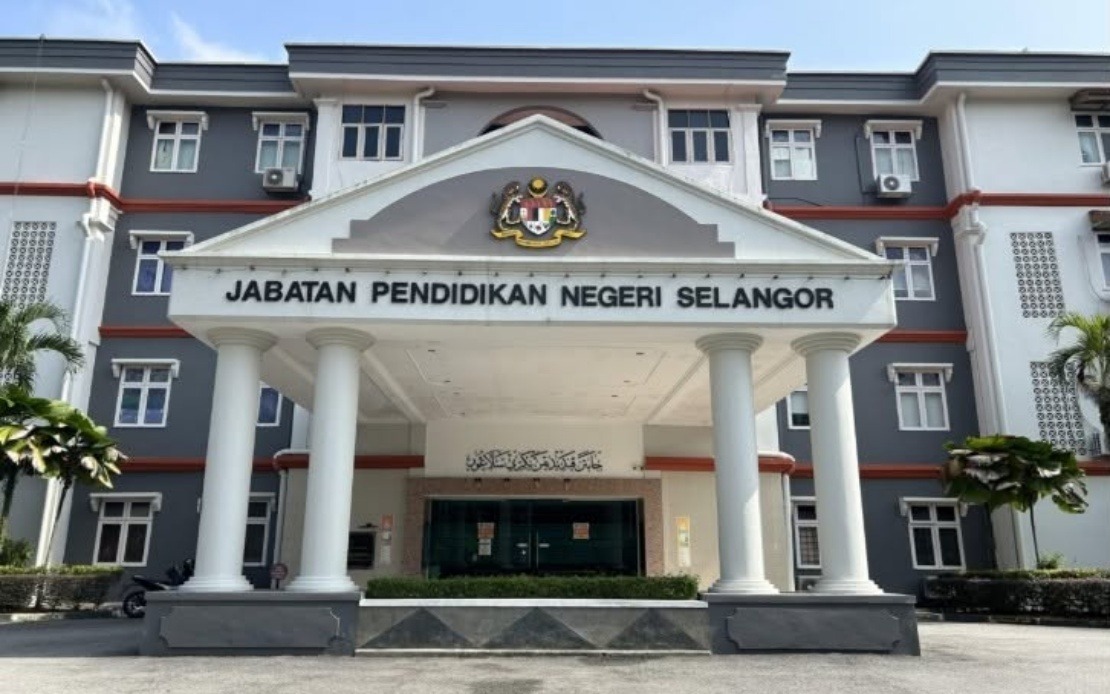
The Selangor State Education Department has declared its unwavering commitment to support the ongoing police investigation into a bullying incident at a secondary school in Rawang, following the emergence of video footage on social media platforms that captured the attention of the Malaysian public. The case represents a growing concern among parents and educators about student safety within school premises, particularly when such incidents gain viral traction and intensify scrutiny on institutional safeguarding measures.
In an official statement released in Shah Alam on July 12, the education department emphasized that no party implicated in the matter would receive preferential treatment, signaling the administration's resolve to apply uniform standards of accountability. This commitment extends across the investigative and disciplinary phases, with the department making clear that established protocols would govern all consequent actions against those deemed culpable. The unequivocal stance reflects broader institutional pressure to demonstrate competence in managing student misconduct allegations transparently.
The viral circulation of the video documenting the alleged bullying has transformed what might have been a localized school incident into a matter of significant public concern. Malaysian parents and education stakeholders have become increasingly vigilant about documenting and sharing instances of student misbehaviour, leveraging social media as a mechanism to ensure institutional response. This digital dimension adds complexity to traditional school disciplinary processes, as authorities must now contend with parallel public judgment and commentary alongside formal investigations.
Selangor JPN's statement specifically addressed the episode as an instance of student misconduct capable of jeopardizing the broader educational environment and students' physical and psychological well-being. The framing reflects a comprehensive understanding that bullying extends beyond immediate physical harm, encompassing emotional trauma and the creation of hostile learning spaces. By articulating concern for holistic student welfare, the department positioned itself as attuned to contemporary understanding of bullying as multifaceted misconduct rather than merely isolated interpersonal conflict.
The police involvement indicates that the incident may have crossed thresholds triggering criminal investigation, suggesting the severity exceeded typical school-based disciplinary matters. In Malaysia's governance structure, such cases often involve coordinated action between educational authorities responsible for institutional discipline and law enforcement agencies investigating potential criminal conduct. This dual-track approach ensures both regulatory adherence within educational settings and broader justice system engagement where applicable.
The education department's explicit request for public restraint during the investigative process reflects institutional awareness of social media's amplifying effect on school controversies. Premature public judgment or continued viral sharing can prejudice both the investigation and the reputational interests of students involved, including both alleged perpetrators and victims. By appealing for respect for procedural propriety, JPN sought to establish a boundary between legitimate public interest and countervailing needs for investigative integrity.
For Malaysian schools more broadly, this incident underscores persistent challenges in maintaining safe learning environments amid the complexity of adolescent social dynamics and digital communication. Rawang, as part of the Klang Valley's dense urban fabric, exemplifies areas where school populations are diverse and student demographics span varied socioeconomic and cultural backgrounds. Such heterogeneous environments, while educationally enriching, can sometimes generate interpersonal tensions that escalate into serious bullying without adequate intervention mechanisms.
The department's assurance that regulations would be applied strictly carries particular weight given ongoing discourse about the adequacy of existing school disciplinary frameworks. Parents and advocacy groups have periodically raised concerns about whether current protocols sufficiently deter serious misconduct or provide adequate support to victims. JPN's reiteration of commitment to enforce existing rules suggests confidence in the regulatory architecture, though this may require scrutiny if investigation outcomes fail to satisfy public expectations regarding accountability.
The Rawang incident also reflects broader trends across Southeast Asia regarding the intersection of youth misconduct, social media exposure, and institutional accountability. Countries across the region have grappled with balancing student privacy protections against transparent institutional governance. Malaysia's approach, as demonstrated through this case, attempts to navigate between these competing interests by maintaining investigative confidentiality while providing public assurance of serious engagement and deterrent measures.
Looking forward, the resolution of this matter will likely influence school safety initiatives across Selangor and potentially inform policy discussions at national level. If the investigation identifies systemic vulnerabilities in bullying prevention or reporting mechanisms, the education authority may face pressure to implement remedial measures demonstrating tangible improvements. Conversely, successful investigation and appropriate disciplinary outcomes could reinforce institutional credibility and public confidence in school safety frameworks.
The case ultimately exemplifies the contemporary challenge of managing student welfare in an era where misconduct faces instant public exposure and judgment. Schools must simultaneously maintain pastoral care for all students, investigate allegations thoroughly, apply consequences fairly, and navigate heightened public scrutiny. JPN's stated commitment to full cooperation and strict action represents an attempt to meet these multifaceted expectations, though execution will determine whether institutional responses match rhetorical assurances.

