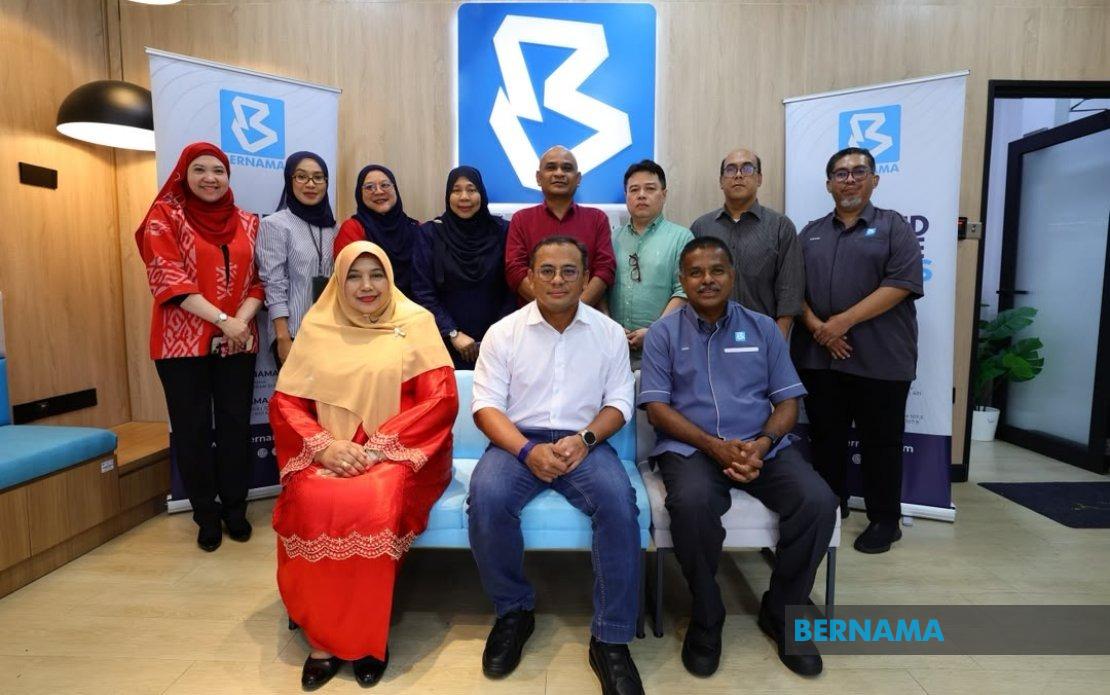
Selangor Menteri Besar Datuk Seri Amirudin Shari made an unannounced visit to Bernama's Negeri Sembilan bureau in Seremban on July 20, seeking first-hand insights into how Malaysia's national news agency is coordinating its coverage of the 16th Negeri Sembilan state election. The high-profile visit underscored the significance of media operations during crucial electoral moments, as the election had already entered its third day of campaigning.
Arriving at the Bernama office at 2 pm, Amirudin was received by the agency's chief executive officer Datin Paduka Nur-ul Afida Kamaludin and editor-in-chief Arul Rajoo Durar Raj. The presence of senior management including deputy editor-in-chief of News Services Mohd Shukri Ishak and Negeri Sembilan bureau chief Nursyabiha Sukri reflected the importance of the occasion. As election director for Pakatan Harapan, Amirudin's interest in media operations carries particular weight, given his responsibility for overseeing the coalition's campaign strategy.
During the session, Amirudin received a comprehensive briefing from Negeri Sembilan election coverage coordinating editor Mohd Hisham Abdul Rafar, who outlined the logistics and editorial approach Bernama had adopted to cover the election systematically. The briefing covered the agency's news gathering procedures, newsroom organisation, and mechanisms for ensuring balanced and timely reporting across multiple platforms and distribution channels throughout the polling period.
The visit reflects broader dynamics within Malaysia's media landscape during election cycles. As the country's official national news agency, Bernama plays a gatekeeping role in disseminating election information to media outlets, civil society, and international observers. The agency's operations during state elections therefore carry implications extending far beyond Negeri Sembilan itself, influencing how the broader public and media ecosystem receives and processes electoral developments.
For Malaysian readers across the region, the institutional setup visible through this visit demonstrates how major news organisations mobilise resources during elections. The creation of dedicated operations rooms, the appointment of specialised coordinating editors, and the involvement of senior management illustrates the labour-intensive nature of comprehensive news coverage during high-stakes political moments. This infrastructure is particularly crucial in Negeri Sembilan, where multiple constituencies and complex political alignments require granular, accurate reporting.
The Electoral Commission has structured the Negeri Sembilan election to conclude relatively swiftly. Early voting is scheduled for July 28, with polling day following on August 1. This compressed timeline means media organisations must work efficiently to cover campaign events, candidate statements, and policy positions within a condensed period. Bernama's preparedness, as demonstrated by its dedicated operations room and coordinated editorial structure, suggests the agency is positioning itself to deliver comprehensive coverage despite these time constraints.
Amirudin's decision to visit the newsroom also carries political symbolism. Election directors typically maintain visibility during campaign periods to monitor how their side's messaging is being communicated. By visiting Bernama's operations centre, Amirudin was signalling to key media gatekeepers that Pakatan Harapan takes seriously the role of professional, institutional journalism in the electoral process. Such gestures can influence editorial atmosphere and demonstrate respect for media independence.
The visit included scheduling for Amirudin to conduct a recorded interview with Bernama TV, reflecting the agency's multimedia approach to election coverage. Bernama operates across traditional broadcast, digital, and wire service platforms, allowing it to reach diverse audiences consuming news through different channels. The television component particularly matters given the continued centrality of broadcast media to Malaysian political communication.
For Southeast Asian observers, Malaysia's institutional arrangements for election coverage offer interesting contrasts with regional peers. The existence of a state-owned news agency explicitly tasked with comprehensive election reporting differs markedly from systems where election coverage responsibilities are fragmented across competing commercial media outlets. Bernama's role creates both opportunities for systematic information dissemination and potential concerns about editorial independence, depending on one's perspective.
The Negeri Sembilan election itself carries significance beyond state-level politics. As a Menteri Besar from the bordering state of Selangor, Amirudin's involvement in directing Pakatan Harapan's campaign strategy reflects the increasing coordination of electoral efforts across state lines within Malaysia's federal system. Regional political movements often transcend individual state boundaries, with coalitions deploying their senior figures strategically across multiple contests to maximise their electoral footprint.
Bernama's public commitment to covering the Negeri Sembilan election is documented through its dedicated online portal, which provides real-time updates and archival resources for the campaign. This institutional infrastructure for election reporting demonstrates how modern news agencies attempt to provide comprehensive, organised information access during electoral periods. For Malaysian readers seeking reliable information about state-level politics, such institutional commitments matter significantly in a media environment sometimes characterised by fragmentation and competing claims.
The visit illustrates the interconnectedness of political direction, media operations, and electoral management in Malaysia. Senior political figures maintain engagement with major news organisations not merely as passive consumers of coverage but as stakeholders interested in how electoral narratives are being constructed and disseminated. Such engagements, when conducted transparently and respectfully, contribute to healthy democratic communication ecosystems.

