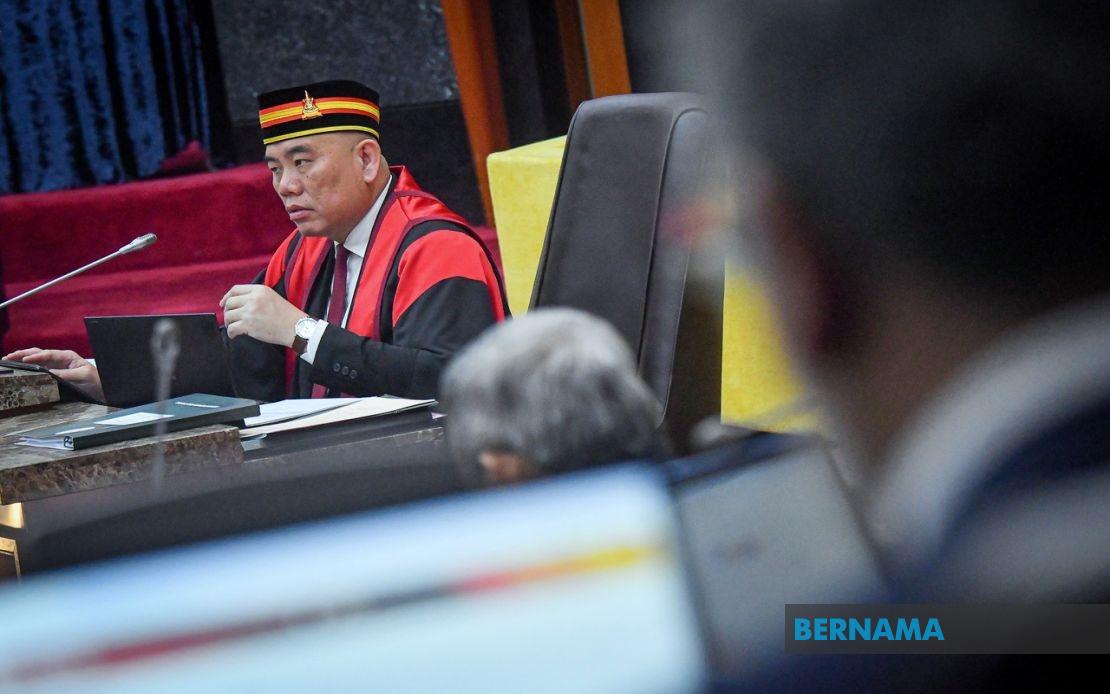
The Speaker of the Selangor State Legislative Assembly, Lau Weng San, is methodically examining the attendance records and parliamentary status of all elected representatives in the state house, regardless of their political affiliations. His comprehensive audit aims to establish a factual basis for any future decisions about whether seats in the chamber should be formally vacated, following the strict provisions set out in the state's constitutional framework. Speaking to journalists at the Wisma Dewan Negeri Selangor in Shah Alam on August 3, Lau underscored that this examination encompasses every legislative district and all party groupings, reflecting the impartiality demanded by constitutional processes.
The review process has been deliberately expansive in scope. Rather than targeting specific individuals or political factions, Lau has initiated a systematic verification of all assemblymen to ensure that any subsequent action would withstand constitutional scrutiny and public scrutiny alike. This blanket approach reflects awareness that selective targeting could invite legal challenges and accusations of bias. The Speaker acknowledged that the investigation remained incomplete and that no timeline had been set for its conclusion, though he promised to communicate updates once the necessary verification work had been finalised.
Under the Selangor State Constitution, a significant procedural mechanism exists for managing vacant legislative seats. Any assemblyman who fails to attend the state assembly's sittings for a continuous period of six months without securing permission or providing official notification of their absence automatically loses their parliamentary status. This constitutional provision operates as a safeguard against the concentration of unchecked legislative authority and ensures that the elected house remains composed of actively participating members. However, the practical application of this rule involves considerable nuance and administrative complexity.
Lau clarified that the situation is far more complicated than a simple counting of absences. Numerous assemblymen have submitted formal letters to the Speaker's office explaining their non-attendance, citing various justifications ranging from health complications to other compelling circumstances. Each such submission requires individual evaluation to ascertain whether it constitutes acceptable justification under the constitutional framework. This case-by-case methodology prevents blanket application of the rules and demonstrates the Speaker's commitment to fairness and due process.
When questioned about whether the absence of one or two assemblymen from today's sitting might signal progress in the review, Lau cautioned against speculative conclusions. He emphasized that occasional non-attendance does not inherently indicate constitutional problems or pending vacancy decisions. Assemblymen may miss sittings for entirely legitimate reasons ranging from personal emergencies to official duties elsewhere. Drawing inferences from sporadic absences, he suggested, would be premature and potentially misleading before all facts had been thoroughly established and analyzed.
The political significance of this review extends beyond routine parliamentary housekeeping. Menteri Besar Datuk Seri Amirudin Shari indicated that the determination of the seat's status would be concluded within the week, with substantial implications for the Election Commission's subsequent deliberations. The EC will ultimately decide whether a by-election becomes necessary to fill any vacancy that the Speaker formally declares. This sequential process highlights how state constitutional procedures interact with electoral management frameworks across multiple agencies.
The state government's preparations run parallel to the Speaker's review. The Menteri Besar disclosed that the state legal adviser is preparing comprehensive documentation and analysis on the constitutional implications of any potential vacancy declaration. This preparatory work ensures that once the Speaker formally notifies the government of his findings, the administrative machinery can respond swiftly and appropriately, whether through referral to the Election Commission or other requisite channels. The coordination between the Speaker's office and the legal adviser's department demonstrates the administrative complexity surrounding seemingly straightforward constitutional procedures.
For Malaysian observers, particularly those in Selangor, this review underscores how legislative institutions operate within defined constitutional parameters that protect both the integrity of representation and the rights of elected members. The Speaker's measured approach, emphasizing comprehensive verification across all constituencies and parties, reflects institutional maturity and constitutional propriety. Such procedures, while sometimes appearing procedurally cumbersome, ultimately serve to protect minority interests and ensure that decisions affecting legislative composition rest upon solid factual foundations rather than political convenience.
The broader regional context matters here too. Southeast Asian democracies frequently grapple with questions about legislative absenteeism and seat vacancy procedures. Selangor's approach—combining strict constitutional definitions with administrative flexibility for genuine circumstances—represents one model for balancing institutional integrity with human considerations. The Speaker's insistence on examining each case individually while also conducting a comprehensive, impartial review across all parties demonstrates a commitment to procedural fairness that transcends partisan divisions.
Lau Weng San's deliberate pace and comprehensive methodology suggest awareness that rushed decisions or selective targeting could undermine public confidence in legislative institutions. By publicly committing to review all assemblymen regardless of party affiliation and by addressing the misconceptions about absences, he is attempting to frame this process as a constitutional obligation rather than a political maneuver. For a state with a history of shifting political coalitions, such institutional restraint carries real significance for democratic stability.

