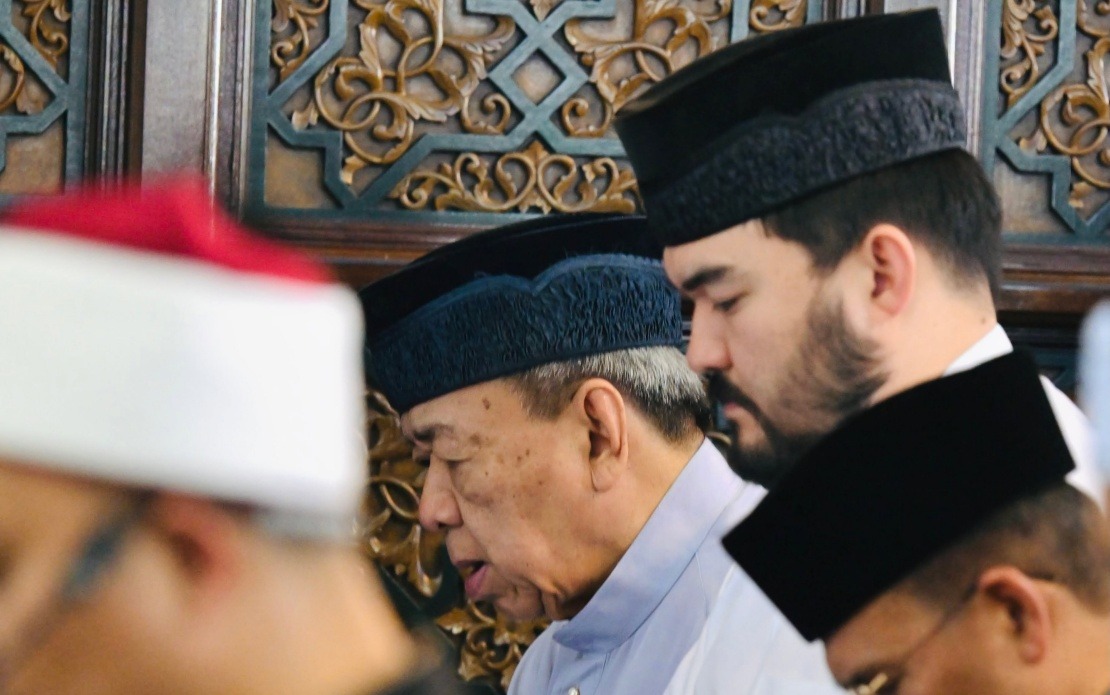
The Sultan of Selangor, Sultan Sharafuddin Idris Shah, has issued a powerful appeal to the Muslim community to embrace compassion as a fundamental value in their relationship with animals, drawing on Islamic theological principles that underscore human stewardship of creation. His remarks, aligned with congregational sermons delivered across Selangor's mosques on the theme of "Ihsan Terhadap Mahkluk Allah SWT" (compassion towards Allah's creatures), reflect a growing emphasis within Malaysia's Islamic leadership on reconnecting faith with environmental and animal welfare concerns.
In his message shared through the Selangor Royal Office's social media platforms, the Sultan articulated a comprehensive vision of human responsibility that extends beyond traditional interpretations of religious duty. He positioned animals not as mere resources for human exploitation but as integral components of a divinely created system worthy of protection and respect. This framing is significant because it recontextualises animal welfare within mainstream Islamic discourse, moving it from a peripheral concern to a central element of spiritual practice and moral obligation.
The Sultan's address places particular emphasis on the Quranic concept of stewardship, arguing that humans occupy a unique position in creation as custodians responsible for the wellbeing of the natural world. This custodianship encompasses not only large-scale environmental management but also everyday interactions with individual animals, whether domesticated pets, strays encountered in urban and rural settings, or wildlife sharing human habitats. By invoking this framework, Sultan Sharafuddin connects personal acts of kindness towards a single animal with broader environmental stewardship, suggesting that compassion operates across multiple scales.
Central to the Sultan's message is the invocation of Prophet Muhammad's teachings on animal treatment, a significant move that grounds contemporary animal welfare advocacy in classical Islamic jurisprudence. The Prophet's emphasis on providing animals with adequate food and water, and the explicit prohibition against mistreatment, form the foundation of what the Sultan describes as Islamic best practice. This scriptural grounding matters considerably in the Malaysian context, where appeals to prophetic example carry substantial weight in religious discourse and public acceptance of policy directions.
Acknowledging the legitimate concerns of those living in close proximity to wildlife, the Sultan introduces a nuanced distinction that reflects mature Islamic legal reasoning. He recognises that situations sometimes arise where animal behaviour creates genuine threats to human life or causes significant property damage, and in such circumstances, Islamic law permits intervention to prevent harm. This represents an important clarification for practical implementation in Malaysian society, where human-wildlife conflict remains an ongoing challenge in states with significant forest coverage and expanding urban areas.
The Sultan frames this apparent tension through the lens of Maqasid Syariah, the overarching objectives of Islamic law that prioritise the protection of essential human interests including life and property. By situating wildlife management within this established legal framework, he provides theological legitimacy for enforcement actions while simultaneously maintaining the ethical principle of compassion. This dual emphasis demonstrates that Islamic teachings are not monolithic or absolutist but incorporate contextual reasoning and competing values that must be balanced against one another.
This perspective carries particular relevance for Malaysia, where urban expansion continues to encroach on wildlife habitats and incidents involving problematic elephants, crocodiles, and snakes periodically make headlines. The Sultan's articulation allows government agencies and local authorities to pursue necessary conservation management and public safety measures while remaining grounded in religious principle rather than operating from a position that appears to contradict Islamic values.
The emphasis on compassion resonates with broader shifts within contemporary Islamic thought globally, where environmental conservation and animal welfare have moved from marginal concerns to central components of Islamic ethics and practice. This trajectory reflects recognition that traditional Islamic civilisations maintained sophisticated relationships with animals and natural systems, and that reconnection with these principles offers resources for addressing modern challenges.
For Malaysian readers and policymakers, the Sultan's message provides valuable intellectual scaffolding for initiatives that integrate religious and environmental values. It offers support to those working on animal welfare improvements, whether through strengthening legislation against animal cruelty, improving conditions in facilities housing animals, or managing stray dog and cat populations through humane methods. Simultaneously, it provides Islamic legitimacy for continued efforts to manage human-wildlife conflict in ways that protect vulnerable communities.
The call also carries implications for consumer and lifestyle choices within the Muslim community. The emphasis on compassion could be interpreted as supporting more thoughtful consideration of animal welfare in food production, encouraging support for ethical farming practices, and promoting consciousness about the living conditions of animals destined for consumption. While the Sultan does not explicitly mandate vegetarianism or specific dietary practices, his framework creates conceptual space for Muslim Malaysians to engage these questions from within an Islamic ethical foundation.
Beyond Selangor, this pronouncement from a prominent sultanate carries weight throughout Malaysia's federal system, where states increasingly look to examples set by their counterparts. The royal articulation of animal compassion as Islamic obligation may influence how other state administrations frame animal welfare policies and may encourage religious scholars in other regions to develop complementary messaging.
Ultimately, Sultan Sharafuddin's intervention represents an attempt to rebalance Malaysian Islamic discourse around animals, moving beyond a purely utilitarian view toward one that incorporates ethical considerations of compassion and stewardship. By grounding this vision firmly in Islamic sources and demonstrating how it accommodates legitimate human interests, he provides a template for how religious and secular concerns about animal welfare can coexist within an Islamic framework, enriching both.

