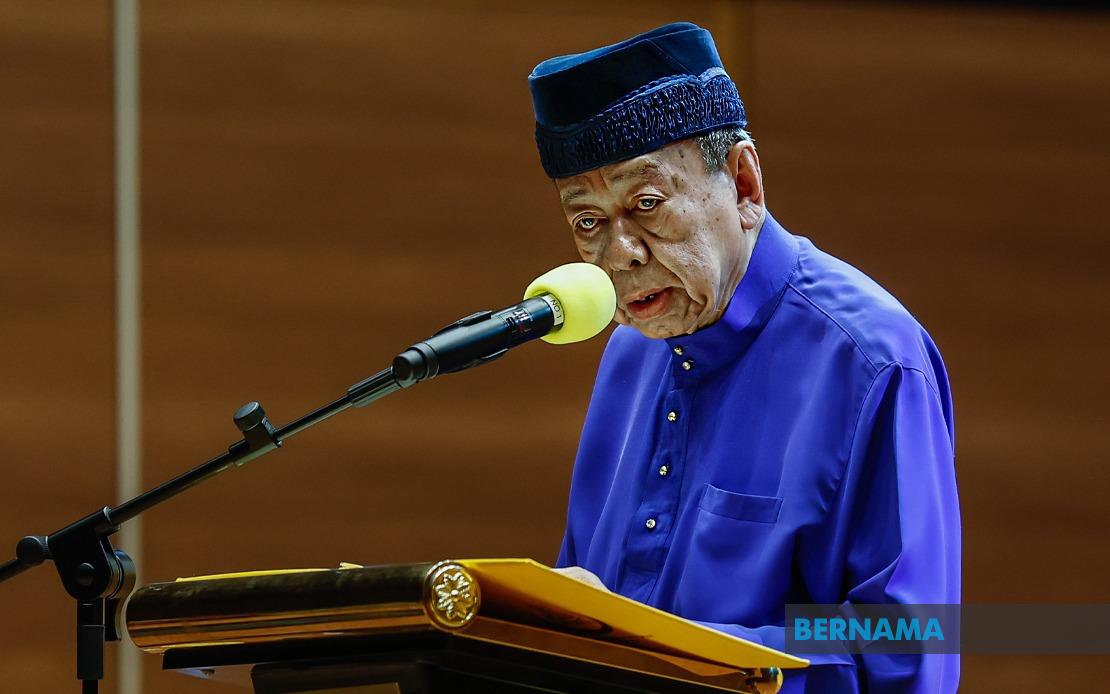
Sultan Sharafuddin Idris Shah has challenged Universiti Teknologi MARA to recalibrate its academic offerings for an era where employment competition has fundamentally shifted from simply gaining university admission to achieving genuine distinction in global markets. Speaking at the UiTM Royal Address 2026 in Shah Alam on August 28, the Selangor Sultan articulated a vision where the nation's premier Bumiputera institution must evolve beyond its traditional strengths whilst maintaining its constitutional foundations, addressing a tension that defines Malaysia's higher education landscape.
The Sultan's intervention reflects growing concerns about workforce readiness across Southeast Asia's most developed economy. Rather than critique UiTM's historical achievements—which he acknowledged include producing corporate leaders and national figures—Sultan Sharafuddin framed the challenge as fundamentally different from previous generations. The institution must now prepare graduates capable of competing not merely domestically but across regional and international talent markets, particularly in fields reshaping economic futures. These include digital technology, artificial intelligence, life sciences, engineering, medicine, finance, accounting, jurisprudence, and creative industries where Malaysia seeks to build competitive advantage.
Crucially, the Sultan separated UiTM's proven track record in creating Bumiputera professionals from the emerging imperative to produce Bumiputera entrepreneurs, innovators, and business owners. This distinction carries significant economic weight. Malaysia's historical reliance on absorbing Bumiputera graduates into professional and corporate roles has served important social objectives, yet the Sultan suggests this model requires supplementation. The nation increasingly needs indigenous business leaders, technology innovators, and economic creators capable of establishing ventures that compete regionally and globally. Without this entrepreneurial class emerging from UiTM's alumni base, Malaysia risks continuing dependence on foreign-controlled enterprises in high-value sectors.
The Sultan's emphasis on linguistic capability and industry-relevant skills addresses a documented gap between academic credentials and workplace readiness. His call for every UiTM graduate to master at least two foreign languages reflects practical recognition that Malaysia's position in regional and global value chains demands multilingual professionals. Beyond English, proficiency in Mandarin, Japanese, or other languages enhances competitiveness in ASEAN's multilingual business environment and positions graduates for opportunities across regional hubs like Singapore and Bangkok. Similarly, his warning against producing graduates with degrees but lacking practical skills, confidence, and thinking abilities targets a persistent criticism of tertiary education systems across Southeast Asia.
The Sultan also highlighted the need to strengthen UiTM's institutional relationships with industry. This partnership framework determines whether curricula genuinely reflect workplace requirements or remain theoretical exercises disconnected from practical demands. Malaysian employers across sectors have consistently reported that graduates, despite qualifications, lack problem-solving capabilities, workplace readiness, and industry-specific technical competencies. Bridging this gap requires structured engagement where businesses inform curriculum development, participate in student training, and potentially employ UiTM's capacity for incubating startup ecosystems and innovation hubs.
Central to the Sultan's address was explicit constitutional grounding for UiTM's Bumiputera mandate. By referencing the Universiti Teknologi MARA Act 1976 (Act 173) and Article 153 of the Federal Constitution, the Sultan established that UiTM's foundational purpose operates within a constitutional framework rather than as ordinary administrative policy. This framing becomes significant given ongoing debates about educational access and equity in Malaysia's higher education system. The Sultan acknowledged these tensions directly, clarifying that defending UiTM's specific mandate does not deny other races' educational rights nor suggests Malaysia lacks sufficient higher education institutions for all citizens.
The Sultan's observation that the socioeconomic and educational gap between Malays, Bumiputera communities, and other groups remains incompletely closed provides strategic justification for maintaining UiTM's constitutional mandate. This argument suggests that as long as measurable disparities persist in wealth creation, professional employment, and ownership stakes across Malaysia's economic structure, UiTM's targeted mission remains unfinished business. The framing allows room for UiTM to pursue both excellence and inclusivity without abandoning either objective, though reconciling this balance operationally continues challenging the institution.
For Malaysian policymakers and UiTM's leadership, the Sultan's address essentially sets a dual mandate: maintaining excellence in producing skilled Bumiputera professionals whilst simultaneously fostering entrepreneurial mindsets, innovative thinking, and global competitiveness among students. This requires substantial curricular revision, faculty development emphasising real-world problem-solving, enhanced industry partnerships, and possibly new institutional structures supporting student entrepreneurship and innovation commercialisation. The challenge extends beyond UiTM alone, as achieving this transformation requires coordinated support from industry, government, and other educational institutions.
Regionally, the Sultan's emphasis on producing globally competitive graduates from a Malaysia-based institution reflects broader Southeast Asian concerns about talent development and economic positioning. As ASEAN nations compete for investment and talent, educational institutions become critical infrastructure for human capital development. The Sultan's implicit argument—that UiTM must evolve to remain relevant—applies across the region's university systems, many struggling to balance accessibility, inclusivity, and global competitiveness within resource constraints.
The presence of Higher Education Minister Datuk Seri Dr Zambry Abd Kadir at the address signals government alignment with these priorities. Implementation will require translating the Sultan's vision into concrete policy, funding allocations, and institutional reforms. UiTM's ability to simultaneously strengthen its Bumiputera empowerment mission whilst producing entrepreneurs and globally competitive innovators will significantly influence Malaysia's economic trajectory and its capacity to build indigenous champions in knowledge-intensive sectors.

