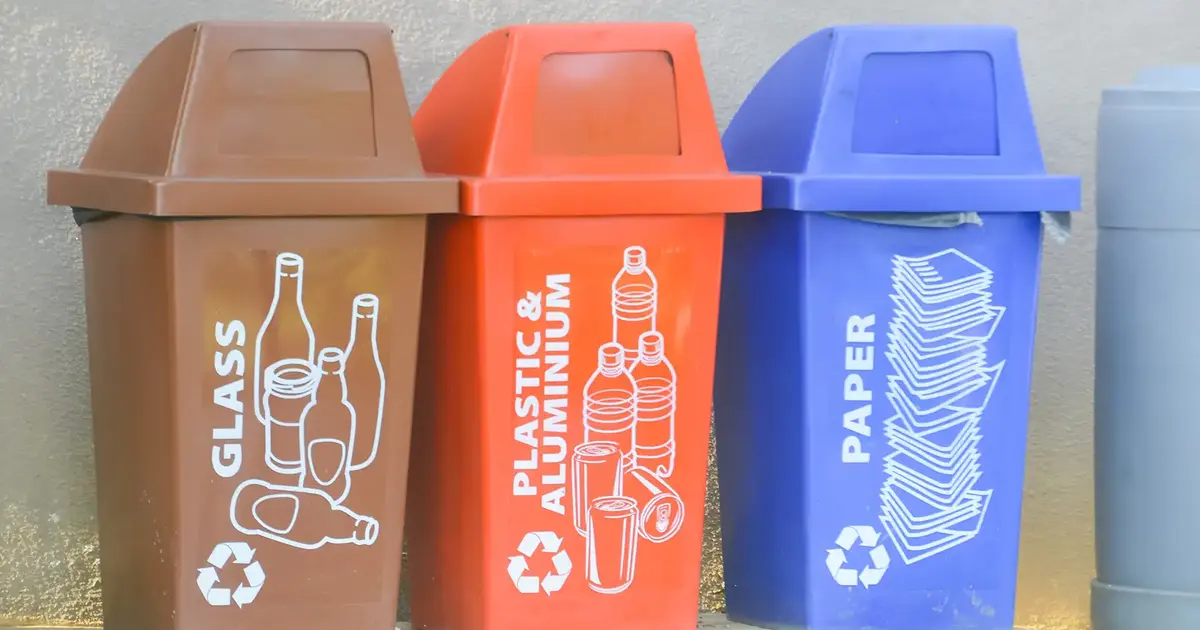
The Selangor state government is preparing to undertake a thorough examination of its waste management guidelines, responding to longstanding concerns that existing provisions harbour enough ambiguity to invite multiple interpretations. Ng Suee Lim, the chairman of the local government committee, has publicly recognised that the current framework allows for divergent readings, a situation that has generated considerable confusion among local authorities and waste management operators across the state.
This initiative addresses a persistent challenge within Malaysia's waste management ecosystem, where inconsistent application of regulations across different municipalities can undermine environmental compliance and operational efficiency. Selangor, as the nation's most economically developed state and home to the federal territories, serves as a crucial test case for how state-level governance can clarify and strengthen waste handling standards. The decision to conduct a formal review signals growing recognition among state officials that piecemeal adjustments are insufficient; a comprehensive overhaul is necessary to establish clear, uniform standards.
The confusion stemming from current guidelines extends beyond mere administrative inconvenience. Different interpretations of waste classification, disposal protocols, and licensing requirements can result in inconsistent enforcement across Selangor's multiple local authorities. This fragmentation creates a landscape where some operators face stringent compliance demands while others operate under more lenient interpretations, generating competitive distortions and potentially compromising environmental protection outcomes. The presence of multiple local government bodies within Selangor's jurisdiction—including various municipal councils and city authorities—amplifies the challenge of maintaining regulatory coherence.
Ng's acknowledgment represents a significant step toward transparency in governance, as it elevates what many industry stakeholders have expressed privately into formal policy discourse. The waste management sector, encompassing private collectors, recycling facilities, landfill operators, and manufacturing enterprises that generate waste streams, has long requested clearer definitional standards. By bringing these concerns into the open, the state committee chairman has validated the frustrations of multiple stakeholder groups and created political space for substantive reform.
The review process will likely examine several critical areas where ambiguity currently exists. Classification protocols for different waste categories—general waste, hazardous materials, recyclables, and construction debris—require precision to ensure appropriate handling and disposal. Licensing and permitting procedures demand explicit criteria so that operators understand exactly what documentation and compliance measures are necessary. Additionally, enforcement mechanisms need clarification to ensure that penalties for non-compliance are proportionate and consistently applied across all jurisdictions within the state.
For Malaysian waste management operators and manufacturing entities, this review carries substantial implications. Companies operating across multiple local authorities currently invest considerable resources in understanding and adapting to varying interpretations of the same regulations. Clarified guidelines would reduce compliance complexity and allow enterprises to allocate resources more efficiently. Environmental compliance would become more straightforward, potentially enabling businesses to move toward sustainability initiatives rather than spending capacity on navigating bureaucratic inconsistencies.
The involvement of relevant state agencies alongside government authorities suggests a coordinated approach. Such agencies typically bring technical expertise and implementation experience that government committees alone may lack. Their participation ensures that any revised guidelines will be grounded in practical operational knowledge and informed by direct experience with enforcement challenges. This collaborative model increases the probability that revised standards will be both environmentally effective and practically implementable.
Regional implications extend beyond Selangor's boundaries. Other Malaysian states closely observe how Selangor addresses governance challenges, as the state's approach often influences broader national policy discussions. Should Selangor successfully harmonise its waste management guidelines, the model could inform efforts in Johor, Penang, Sabah, and other states grappling with similar fragmentation issues. Additionally, as Malaysia positions itself as a responsible player in regional environmental governance, having coherent waste management frameworks enhances the nation's credibility in ASEAN discussions around circular economy transitions and environmental protection.
The review also arrives at a moment when waste management pressures are intensifying across Southeast Asia. Regional trade increases have expanded waste streams, while evolving environmental consciousness demands more sophisticated waste-handling approaches. Selangor's review reflects broader regional recognition that outdated or ambiguous standards can no longer serve the region's economic and environmental needs. The state is essentially acknowledging that governance frameworks must evolve in tandem with economic complexity.
Implementation timelines and consultation processes will prove crucial to the review's success. Effective stakeholder engagement—including input from waste management operators, environmental groups, local authorities, and affected communities—will strengthen the final guidelines by incorporating diverse perspectives. Without comprehensive consultation, revised standards risk generating new forms of confusion or resistance from constituencies who feel unheard during the formulation process.
The pathway forward suggests that Selangor recognises waste management as too critical to remain hampered by regulatory ambiguity. By committing to a systematic review, the state government acknowledges that clear, consistent, and properly communicated standards serve all interests—operators gain certainty, local authorities gain enforcement clarity, and communities benefit from uniformly rigorous environmental protection. This initiative demonstrates that good governance sometimes requires governments to admit shortcomings and commit to deliberate, inclusive reform rather than perpetuating systems everyone recognises as flawed.

