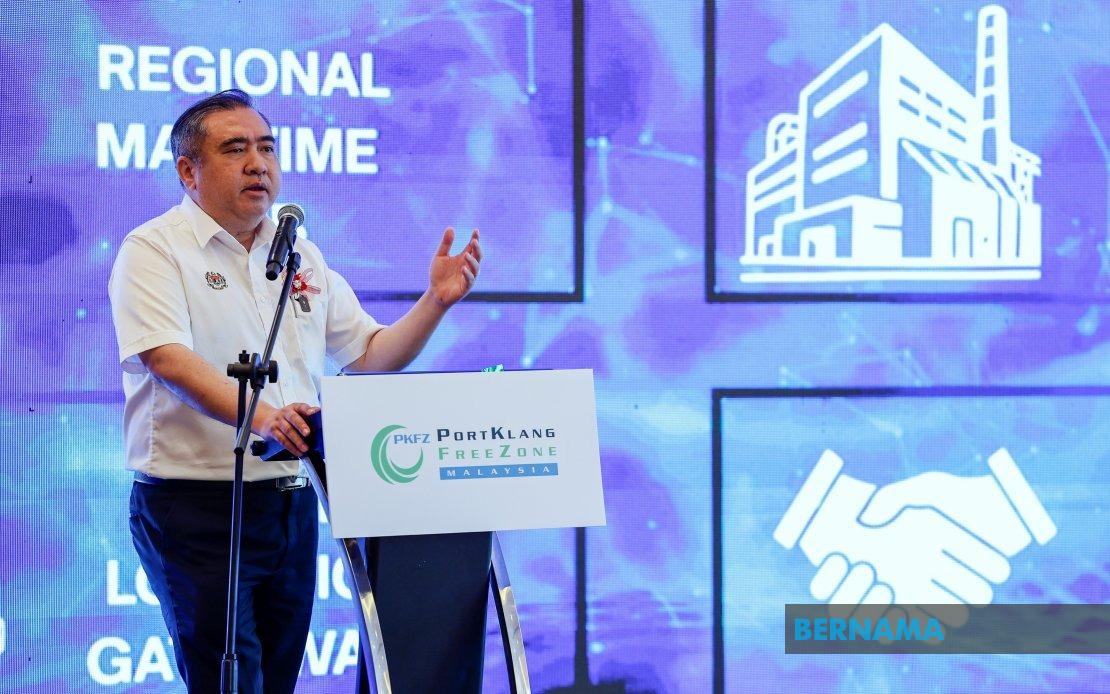
The Selangor State Government is moving forward to settle outstanding land ownership disputes that have become the primary hurdle in developing the long-anticipated Port Klang Third Terminal on Carey Island. Transport Minister Anthony Loke revealed that both state authorities and the Transport Ministry are collaborating with the private sector to address these complications, with a concession-based partnership model under consideration. The resolution of the land question stands as the essential prerequisite before construction crews can mobilise on site, even as officials maintain optimistic timelines for initiating work during the current calendar year.
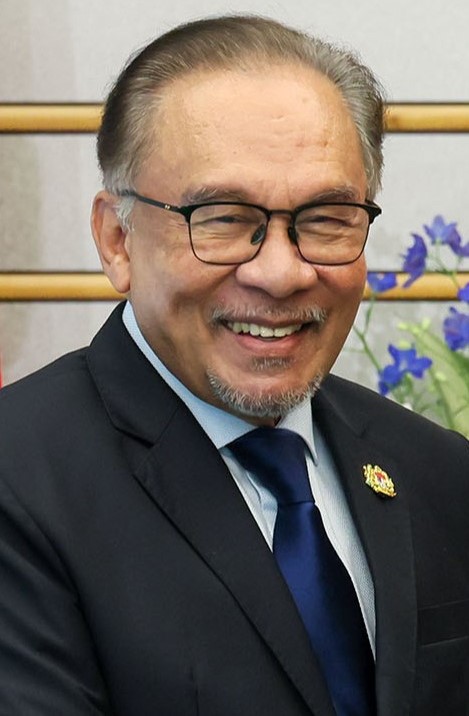
The project has been positioned as strategically vital for Malaysia's economic trajectory, particularly in strengthening the nation's standing within competitive global port and logistics networks. Prime Minister Datuk Seri Anwar Ibrahim previously directed all relevant government bodies to accelerate their efforts in bringing the third terminal concept to fruition. The government formally approved the development initiative in May, yet progress remains contingent upon resolving the complex land tenure arrangements that underpin the expansion site.
According to Selangor Menteri Besar Datuk Seri Amirudin Shari, the state has earmarked approximately 1,699.68 hectares on Pulau Carey in Kuala Langat for the terminal development. This land parcel comprises two distinct components: 1,011.71 hectares of seabed territory administered by the Selangor State Development Corporation (PKNS), and a further 687.96 hectares of coastal property held under the custodianship of Yayasan Selangor. The complexity of managing multiple landowning entities across both submerged and terrestrial zones has created administrative bottlenecks that negotiators must navigate carefully.
The proposed Build-Operate-Transfer framework represents the government's preferred methodology for executing this infrastructure undertaking. Under such arrangements, a private concession holder would finance, construct, and operate the facility for a specified period before transferring ownership to the state or relevant authority. This model allows the government to distribute financial risk while maintaining long-term control, an increasingly popular approach across Southeast Asia for major port developments that demand substantial upfront capital investment.
The timing of this project carries particular significance for Malaysia's broader economic positioning. Regional maritime traffic continues expanding as global supply chains diversify away from traditional concentration points. Port Klang, already among Southeast Asia's busier container hubs, faces capacity constraints that this third terminal would directly address. Enhanced throughput capacity would benefit manufacturers and traders throughout the region who depend on efficient Malaysian gateway facilities, while generating local employment and tax revenue.
Loke's remarks came during ceremonies inaugurating multiple related infrastructure investments within the Port Klang Free Zone (PKFZ) itself, underscoring the ecosystem of port-adjacent development activity. The day's announcements included the official opening of the Wisma Golden Horse labour quarters facility, the Suntek Materials manufacturing operation, and the second phase of the Golden Horse Rubber Factory, collectively representing RM566 million in new private sector commitment. Simultaneously, authorities launched the PKFZ Smart Intelligence Industrial Park initiative, demonstrating the port authority's push toward integrating advanced logistics intelligence systems with physical infrastructure.
These complementary investments highlight how Malaysian policymakers are attempting to build a holistic competitive advantage in maritime commerce. Port terminals represent only one component of functional logistics ecosystems; surrounding facilities for worker accommodation, specialised manufacturing, and data-driven supply chain optimisation all contribute to making a port destination attractive to international shippers and cargo handlers. By coordinating development across multiple sites within PKFZ, authorities aim to create a comprehensive integrated complex rather than isolated infrastructure.
The government is simultaneously addressing labour market challenges within the logistics sector through innovative workforce development initiatives. A memorandum of understanding signed between PKFZ and the Armed Forces Ex-Servicemen's Affairs Corporation (Perhebat) represents an effort to tap former military personnel as potential solutions to driver shortages affecting the haulage industry. This initiative, witnessed by Deputy Prime Minister Datuk Seri Dr Ahmad Zahid Hamidi, connects workforce development to the sector's pressing operational constraints.
In March, Transport Minister Loke announced a dedicated licensing programme enabling military retirees to qualify for Class E heavy vehicle permits, addressing a well-documented scarcity of qualified truckers throughout Malaysia and the broader region. By channelling ex-servicemen toward commercial driving positions, the government attempts to leverage existing discipline and safety-conscious mindsets within the veteran population while simultaneously providing meaningful post-retirement employment pathways. This dual benefit—improving logistics productivity while supporting veteran welfare—reflects pragmatic policymaking that addresses multiple concurrent challenges.
The interconnection between port infrastructure expansion, facilities development, and workforce availability speaks to the comprehensive approach Malaysian authorities are attempting to implement. A third terminal at Port Klang would remain underutilised without adequate surrounding logistics infrastructure and sufficient trained personnel to operate services efficiently. By coordinating improvements across these domains, policymakers hope to create a self-reinforcing cycle where enhanced port capacity attracts additional shipping volume, spurring demand for warehousing, labour, and specialised services.
For regional observers, Port Klang's development trajectory bears watching as an indicator of Malaysia's competitive positioning against rival port cities throughout Southeast Asia. Singapore, Ho Chi Minh City, and Bangkok all operate or are expanding major container terminals, creating intense competition for transshipment traffic and regional distribution operations. Malaysia's ability to deliver reliable, efficiently-managed, well-serviced port facilities at competitive pricing remains essential to retaining and expanding market share.
The land resolution process, while administratively complex, ultimately represents a solvable challenge given political commitment and pragmatic negotiation between state and federal authorities. Once ownership arrangements are finalised, the Build-Operate-Transfer contracting phase can proceed more rapidly, potentially enabling construction to commence within months rather than years. Industry observers and port stakeholders across the region will monitor progress on this critical Malaysian infrastructure investment with considerable interest.