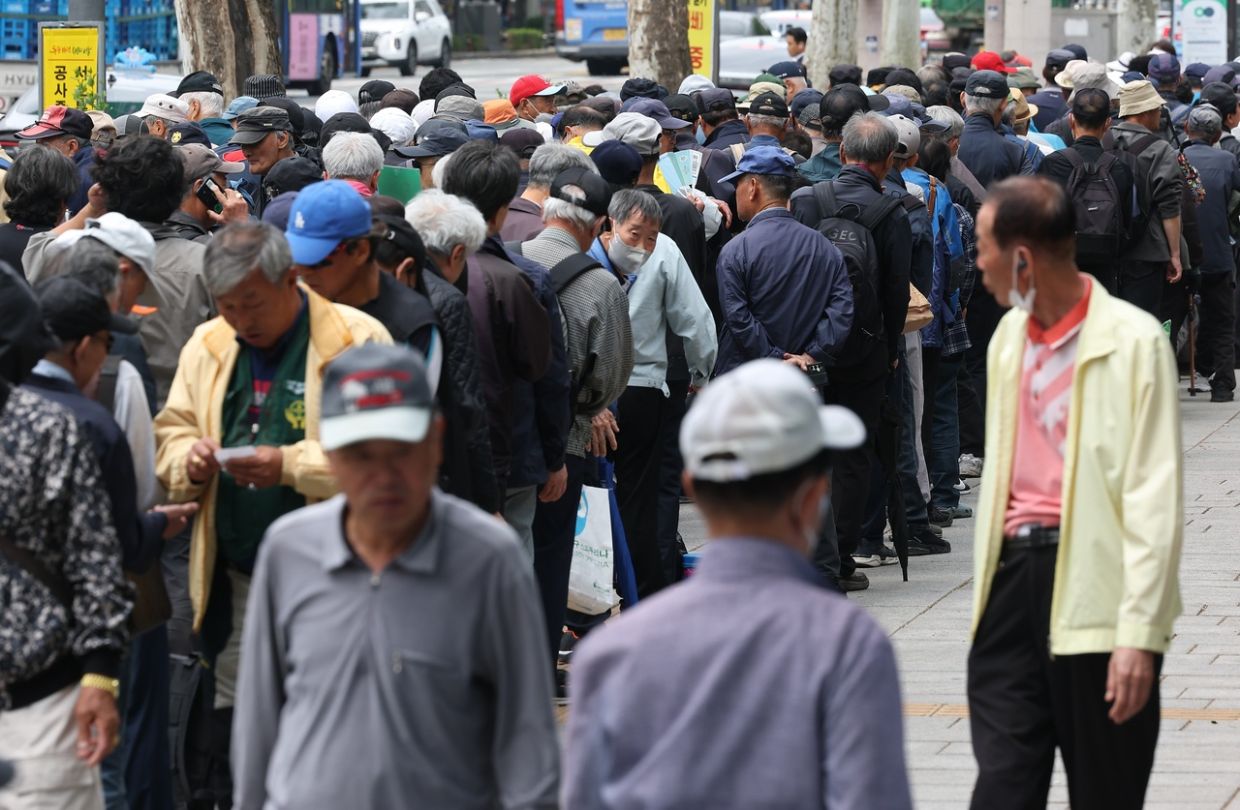
Seoul city authorities are advancing a proposal that would extend transportation benefits to elderly residents by introducing free or subsidised bus fares for those aged 70 and above, building on an existing system that has offered free subway travel to citizens 65 and older for decades. The measure secured approval from a Seoul Metropolitan Council committee in mid-June and moved toward a full council vote, though it has already sparked considerable debate about whether the city can realistically absorb the expense of yet another major social benefit programme.
The proposed scheme would apply to municipal and neighbourhood bus services throughout Seoul but deliberately exclude express and intercity routes from the subsidy. Introducing this benefit represents a natural extension of existing age-based transportation support that Seoul has maintained, yet doing so arrives at a particularly sensitive moment. Roughly one-fifth of Seoul's population—21.2 per cent—are now senior citizens, and that proportion continues climbing as South Korea experiences one of the world's fastest ageing demographics. This demographic shift lies at the heart of concerns raised by fiscal conservatives and administrative officials who question whether yet another open-ended welfare commitment is prudent.
The proposal emerged from Seoul Metropolitan Council Transportation Committee Chair Lee Byeong-yoon of the People Power Party and represents a campaign commitment made by Mayor Oh Se-hoon during June's local elections. The ordinance, if passed, would create the legal authority for city administration to establish and operate a senior bus-fare subsidy programme, though approval would not immediately trigger implementation. Instead, the city would retain considerable discretion in determining eligibility thresholds, support levels, and funding mechanisms before any actual benefits commenced.
Proponents of the initiative argue that the current bifurcated transportation benefit system creates tangible hardship for older residents. While seniors enjoy unrestricted free access to Seoul's subway network, they must pay ordinary fares for bus travel, effectively penalising those living in areas without adequate underground rail coverage or those who depend primarily on surface transit. This gap particularly affects lower-income elderly persons whose mobility options are constrained. The proposal aligns with comparable initiatives already underway in other South Korean municipalities. Daegu commenced free senior bus rides in 2023 and intends to progressively lower its eligibility threshold from 75 to 70 by 2028, while Daejeon already provides free bus access for those 70 and above. Incheon similarly plans launching a programme for residents aged 75 and older during the current year.
However, the financial implications present a formidable obstacle. Seoul Metropolitan Council administrative estimates project that universal free bus fares for all residents aged 70 and above would require approximately 104.7 billion won—roughly US$68 million—in the initial implementation year, assuming a 2027 launch date. More concerning is the trajectory of future costs. Seoul's population aged 70 and above is forecast to increase from approximately 1.27 million currently to 1.63 million by 2031, pushing annual programme expenditure toward 127.5 billion won. Over a five-year period, total spending approaches 579 billion won. These figures represent additional burdens atop Seoul's already substantial transportation subsidies, including over 450 billion won in annual compensation that the city provides to private bus operators to cover operating deficits.
The fiscal pressure threatens to intensify further. Recent court decisions regarding ordinary wage calculations are expected to substantially increase labour costs throughout South Korea's bus transport sector, tightening operational margins even as subsidy requirements potentially expand. This convergence of rising demographic demand and increasing input costs has prompted serious questioning from fiscal watchdogs about the city's capacity to shoulder another major entitlement without fundamentally restructuring its transportation financing model.
Particularly troubling to administrators is an apparent contradiction in Seoul's negotiating position with the national government. For years, Seoul Metro has insisted that free subway rides for seniors—along with benefits for persons with disabilities and national merit award recipients—represent a primary driver of the metropolitan transit operator's persistent financial losses. The company has repeatedly appealed to central authorities for assistance, arguing that revenue losses from these populations averaged 364.5 billion won annually over the past five years and reached 448.8 billion won alone in 2025. Yet Seoul's pursuit of an additional bus-fare subsidy programme appears to undermine arguments that the city lacks capacity to fund senior benefits, creating political inconsistency that critics have seized upon.
Policy researchers have warned that expanding cash-based welfare programmes creates what amounts to a fiscal ratchet mechanism. Sohn Jong-pil, a senior investigator at the Fiscal Reform Institute, cautioned that such programmes become extraordinarily difficult to reverse once implemented, creating political entrenchment that survives long after fiscal conditions change. He emphasised that Seoul must exercise caution before committing to large-scale new spending without simultaneously addressing the accountability and efficiency of existing semi-public transportation systems. The concern reflects a broader anxiety that policymakers may be layering new obligations onto systems already struggling with structural inefficiencies.
Defenders of the proposal counter that the headline cost estimates considerably overstate the actual fiscal impact. Critically, the ordinance does not mandate universal free rides for all seniors aged 70 and above. Rather, it establishes legal authority permitting the city administration to determine eligibility criteria, benefit levels, and programme parameters. This flexibility creates multiple implementation pathways that could substantially reduce costs. The city might commence with means-tested support restricted to low-income seniors, implement trip caps limiting subsidised journeys, confine benefits to off-peak travel periods, or provide partial fare reductions rather than eliminating charges entirely. Seoul officials characterise the ordinance primarily as establishing an institutional foundation rather than mandating immediate comprehensive benefits.
The proposal's trajectory through Seoul's political system reflects broader tensions between expanding senior welfare expectations and fiscal sustainability concerns that reverberate across East Asia's rapidly ageing societies. Malaysia and other Southeast Asian countries monitoring Seoul's experience should note how demographic pressures create seemingly irresistible pressure for expanded benefits even when fiscal indicators suggest caution. The debate underscores that benefit programmes, once established, develop powerful political constituencies defending them against retrenchment. Seoul's dilemma illustrates how initial support for targeted senior transportation benefits can evolve into demands for universalisation, and how layering new programmes atop existing systems creates management complexity that authorities often underestimate.
Whether Seoul approves the ordinance, the city faces a fundamental strategic choice: whether to develop a more integrated and sustainable transportation financing system or to continue incrementally expanding benefits to particular demographics without restructuring underlying economic models. For rapidly ageing regions across Asia, Seoul's experience offers instructive lessons about the necessity of aligning demographic trends with realistic fiscal capacity before programmes become locked in by political expectation.

