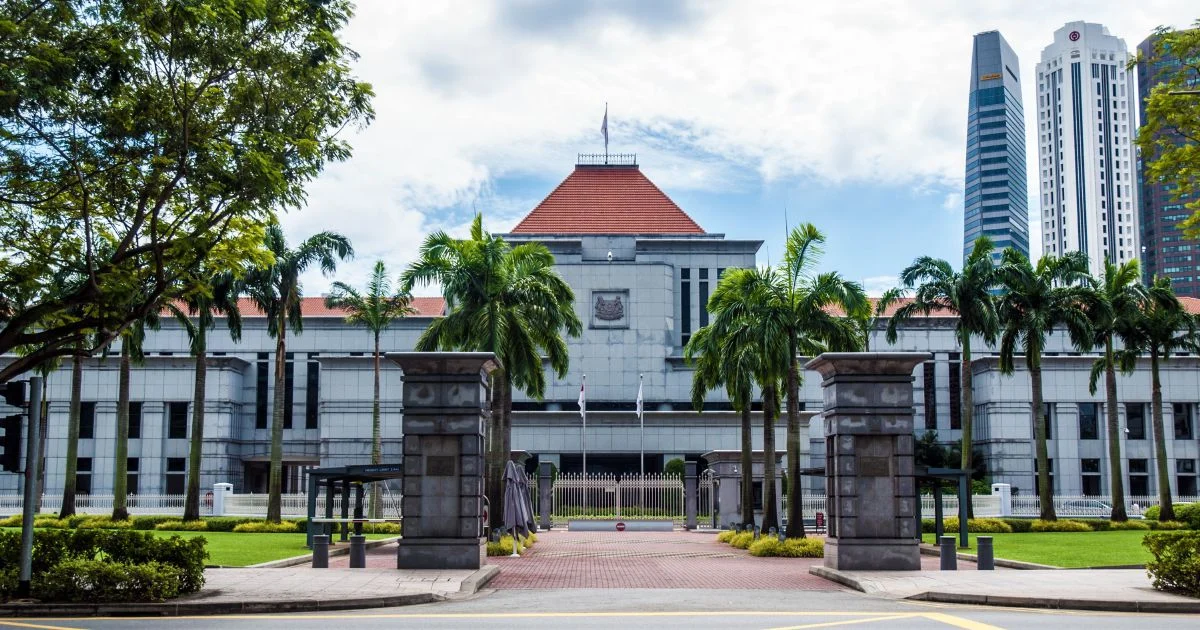
A 40-year-old man has been taken into police custody in Singapore following his suspected involvement in two separate bomb threats directed at critical government facilities, authorities confirmed on Monday. The suspect is believed to have issued anonymous threats targeting Parliament House and the Home Team Science and Technology Agency (HTX), which handles advanced security research and technology development for Singapore's internal security operations. Singapore Police Force officials stated that investigations into the matter are continuing, though no further details about the suspect's identity or motive were immediately released.
The arrest represents another instance of threat-related incidents against Singapore's governmental institutions. Parliament House, located in the heart of the capital, serves as the seat of legislative authority and has been subject to heightened security protocols in recent years. The HTX, a newer agency established to bolster Singapore's technological capabilities in countering security threats, has become an increasingly visible target for disruptive activities in the digital age.
Bomb threats targeting government buildings carry serious legal implications under Singapore's criminal law framework. The city-state maintains stringent regulations against making threats of violence or terrorism, with penalties ranging from substantial fines to lengthy imprisonment depending on the severity and intent of the threats. False bomb threats, in particular, can trigger costly emergency responses involving bomb disposal units, evacuation procedures, and disruption to public services, placing considerable burden on law enforcement resources.
The timing of this arrest underscores Singapore's sustained vigilance against security threats in an era when anonymous communications through digital channels have made it easier for individuals to make threats without immediate detection. The incident highlights how modern technology has created new vulnerabilities that security agencies must constantly monitor and address. Singapore's internal security apparatus has been gradually upgrading its capacity to track and identify perpetrators of online threats, collaborating with tech companies and telecommunications providers to trace the origins of anonymous communications.
For regional observers, the incident reflects broader patterns of threat-making against government institutions across Southeast Asia. Malaysia, Indonesia, and other neighbouring nations have similarly grappled with increases in hoax threats and security incidents targeting parliament buildings and defence facilities. The phenomenon has forced governments throughout the region to invest heavily in upgraded surveillance systems, cybersecurity protocols, and coordinated law enforcement responses.
The arrest also demonstrates Singapore's commitment to maintaining public confidence in its security infrastructure. By swiftly moving to apprehend the suspect and demonstrating investigative competence, authorities aim to reassure citizens and government employees that threats will be taken seriously and perpetrators held accountable. Such visible enforcement actions serve as deterrents to potential copycat incidents.
Parliament House operations have not been formally disrupted as a result of these threats, suggesting that security personnel handled the situation according to established protocols without causing unnecessary public alarm. The HTX, which operates research facilities across Singapore, likely implemented standard security procedures to verify the validity of threats before determining that normal operations could resume safely.
This case also reflects the broader challenge facing law enforcement agencies worldwide in distinguishing between genuine security threats and hoax calls designed to create panic or consume emergency resources. Singapore's police force, known for its professional investigative capabilities, appears to have gathered sufficient evidence through communications analysis and digital forensics to establish probable cause for the arrest within a relatively short timeframe following the threats.
The investigation into the suspect's background, communications patterns, and motivations will likely reveal whether the threat-making stemmed from personal grievances, political dissent, mental health issues, or deliberate attempts to disrupt government functioning. Understanding the root causes of such incidents helps policymakers and security experts develop more comprehensive prevention strategies moving forward.
For Malaysian audiences particularly, this case serves as a reminder of the sophisticated security challenges that modern governments face across the region. Malaysia's own Parliamentary institutions and security agencies have similarly contended with various forms of threats and disruptions in recent years, making the Singapore situation directly relevant to understanding regional security trends. The arrest highlights how rapidly police forces in developed city-states can mobilize investigative resources to identify perpetrators of anonymous threats.
Going forward, observers should anticipate that Singapore will likely use lessons from this case to further refine its digital forensics capabilities and inter-agency coordination mechanisms. The HTX's involvement suggests that the agency will be reviewing its own threat-monitoring systems and potentially recommending enhancements to Parliament's security protocols as well. Such incidents, while disruptive, often catalyze improvements in security infrastructure that benefit the broader public.

