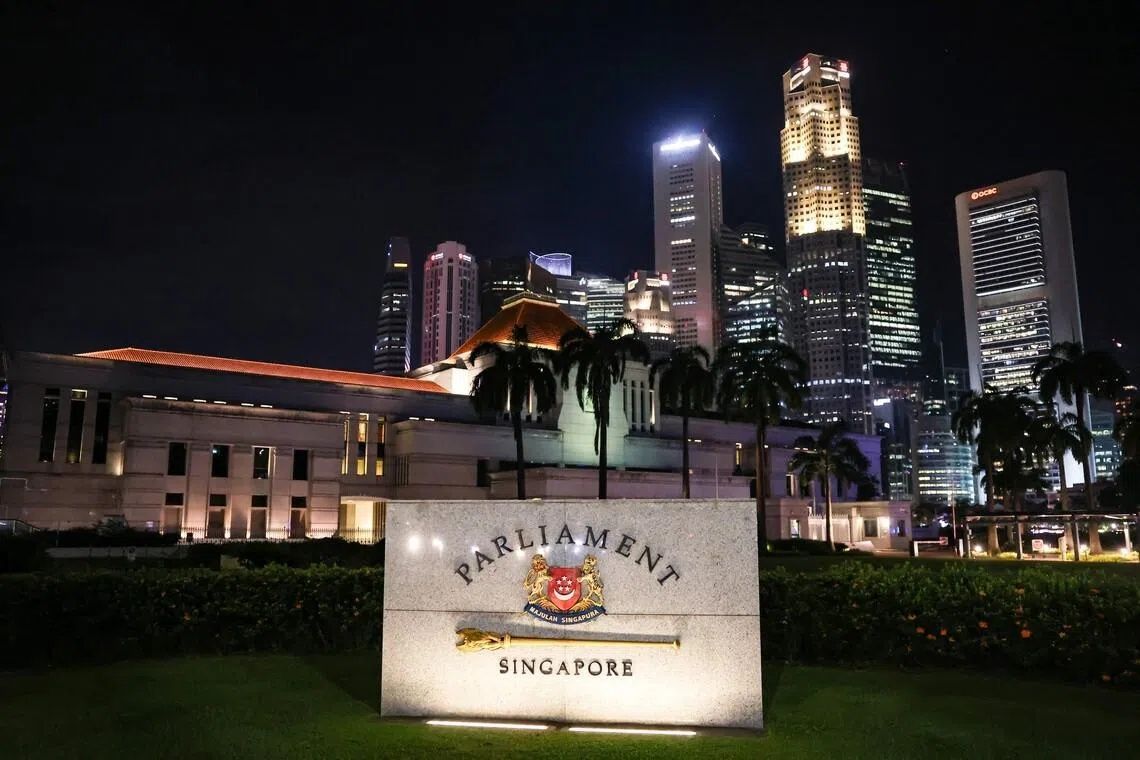
Singapore authorities have arrested a 40-year-old individual suspected of orchestrating a series of fraudulent bomb threats against high-profile government institutions, including Parliament House, in early July. The coordinated false alarms prompted immediate security responses from law enforcement but ultimately yielded no credible devices or threats after comprehensive investigations cleared both targeted premises.
The first incident occurred on July 3 when the Home Team Science and Technology Agency, headquartered at One North, received a suspicious online submission alleging an explosive had been concealed within its building. Police initiated standard protocols, conducting systematic searches of the facility and surrounding areas. The thorough examination revealed no suspicious items or evidence of any actual threat to personnel or infrastructure at the location.
Four days later, the Prime Minister's Office became the conduit for a second alarming communication. An anonymous email delivered on July 7 made similar claims about Parliament House, escalating concern among security officials given the symbolic importance of the legislative chamber. Authorities responded with comparable urgency, deploying officers to execute detailed checks of the parliamentary complex and its immediate vicinity. Like the preceding incident, the investigation yielded no substantive findings of genuine danger.
The breakthrough in linking the two incidents came through diligent detective work by officers from the Criminal Investigation Department and Central Police Division. Investigators established through forensic analysis and communication tracing that both threatening messages originated from the same perpetrator, suggesting a deliberate pattern rather than coincidental hoaxes. This connection proved instrumental in narrowing the investigative focus and identifying the suspect.
Police apprehended the individual on July 7, the same date as the second bomb threat, during what appears to have been a swift identification process. Upon arrest, officers seized multiple electronic devices from the suspect's possession, believed to have facilitated the transmission of both hoax communications. The seizure of these devices provides authorities with potential evidence regarding the technical methods employed and additional forensic data relevant to prosecution.
The suspect now faces formal charges related to communicating false information about harmful substances or devices—a serious offence within Singapore's legal framework. Conviction on such charges carries substantial penalties, including imprisonment of up to seven years, monetary fines reaching Singapore $50,000, or combined sentences involving both sanctions. The severity of potential punishment underscores the gravity with which Singapore treats false threat communications, particularly those targeting government institutions.
From a regional security perspective, this case illustrates the persistent challenge Southeast Asian governments face regarding hoax threats and emergency response diversions. Despite Singapore's reputation for robust public security and orderly civic administration, the incident demonstrates that even highly developed systems remain vulnerable to individuals motivated to create public disruption through false alarms. The rapid police response and investigation turnaround time reflect institutional preparedness but also highlight resource expenditure demands.
The police statement accompanying the announcement emphasized broader implications beyond the individual perpetrator. Authorities explicitly warned that fabricated bomb threats inflict genuine costs on society by generating unnecessary public anxiety among citizens and diverting finite law enforcement and emergency response resources away from legitimate security priorities. During periods of heightened regional tensions or when genuine threats require vigilance, false alarms consume investigative capacity and personnel attention that might be directed toward authentic dangers.
For Malaysian observers, the Singapore case offers instructive lessons regarding cross-border security cooperation and domestic threat assessment. False threat communications represent a category of disruption that authorities across Southeast Asia increasingly encounter, particularly as digital communication platforms proliferate and anonymous messaging becomes more accessible. The ability of Singapore police to swiftly identify the perpetrator and establish connections between separate incidents reflects sophisticated investigative capabilities, but also suggests the importance of sustained resources devoted to cybercrime and digital forensics divisions.
The incident further underscores the vulnerability of senior government facilities to coordinated harassment campaigns, even when substantive danger remains absent. Parliamentary complexes, executive offices, and specialized government agencies occupy symbolic prominence within their respective nations, making them natural targets for individuals seeking maximum publicity or disruption through threat communications. The psychological impact on staff and the operational disruptions initiated by mandatory security responses create tangible consequences regardless of threat authenticity.
Looking forward, the case emphasizes how technological advancement simultaneously enhances security capabilities and creates new avenues for malicious interference. The devices seized from the suspect's possession will likely feature prominently in prosecution proceedings while providing forensic insights into contemporary methods employed for anonymous communication. Digital platform providers across Southeast Asia increasingly cooperate with law enforcement to trace threatening communications, though jurisdictional complexities and encryption protocols continue presenting investigative obstacles.
The incident also highlights the balancing act governments must navigate between maintaining public vigilance regarding genuine threats and avoiding the normalization of false alarms that might desensitize emergency responders or the public to actual dangers. As Singapore pursues the prosecution of this individual, the legal proceedings will likely attract attention from security officials and researchers across the region interested in jurisprudential approaches to digital-era threat communication offences and appropriate sentencing frameworks.

