Police in Singapore tasered and arrested a 55-year-old man on July 5 after he was discovered wielding a saw in a residential area of Bedok North, sparking a tense law enforcement response that highlighted escalating tensions in routine policing situations across the island city-state.
The incident unfolded around 3.25pm at Block 539 Bedok North Street 3, when police received a call reporting a disturbance. Upon arrival, officers encountered a man actively brandishing the saw in an erratic manner near the Housing Board block, a common residential structure housing thousands of Singapore families. The presence of the weapon in such a densely populated residential setting immediately elevated concerns among responding officers about potential risk to residents and bystanders in the vicinity.
When police instructed the man to relinquish the saw, he demonstrated an alarming pattern of non-compliance, repeatedly ignoring official warnings and directives from multiple officers present at the scene. Adding to the complexity of the situation, the man continued shouting incoherently, making verbal communication and de-escalation through dialogue increasingly difficult. His behaviour suggested possible psychological distress, intoxication, or other factors impairing rational decision-making and cooperation with authority.
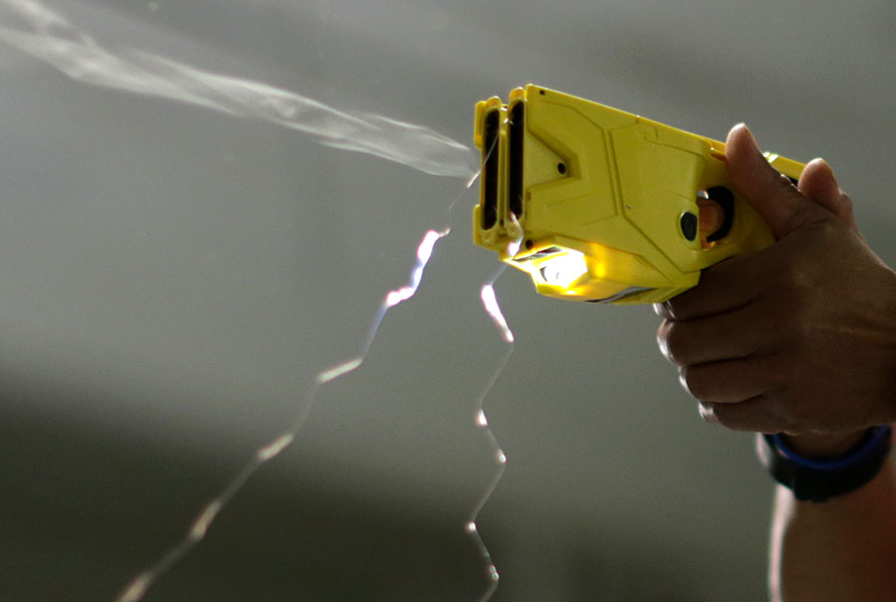
Facing a deteriorating situation with a weapon-wielding individual refusing lawful instructions, police made the tactical decision to deploy a Taser, an electronic immobilisation device. The deployment represented what officers assessed as a proportionate and necessary measure to safely contain the situation without subjecting the man to potentially more severe physical restraint methods. The use of such devices remains a subject of ongoing debate in enforcement circles regarding appropriate force escalation and de-escalation protocols.
Following the Taser deployment, police successfully took the man into custody. He remained conscious throughout the arrest and was transported to Changi General Hospital for medical evaluation and treatment. The decision to hospitalise him indicated either injuries sustained during the arrest or concerns about his physical and mental condition requiring professional assessment.
The charges against the man reflected the seriousness with which Singapore authorities treat such incidents. He was formally arrested for public nuisance, a broad category encompassing disruptive behaviour affecting public peace and safety in residential areas. The possession of an offensive weapon in a public place charge addressed the illegal carrying of the saw in a residential zone where such tools could endanger the community. Additionally, police suspected he may have consumed a controlled substance, suggesting drug involvement in the incident.
The suspected drug-related offence was referred to the Central Narcotics Bureau, Singapore's dedicated drug enforcement agency, indicating the authorities' assessment that narcotics potentially played a role in the man's behaviour and non-compliance. This referral opens a separate investigative track that could result in additional penalties and treatment interventions depending on the substance identified.
No injuries to police officers, residents, or bystanders were reported in connection with the arrest, suggesting the rapid deployment of the Taser effectively prevented escalation to physical violence. This outcome aligns with law enforcement objectives of resolving dangerous situations with minimal harm to all parties involved.
The incident reflects broader challenges facing urban police forces across Southeast Asia, where densely packed residential areas combine with diverse socioeconomic conditions, mental health concerns, and substance-related issues. Housing Board blocks in Singapore serve as home to hundreds of thousands of residents, and such disturbances create immediate safety concerns requiring swift intervention. The case underscores the difficult judgment calls officers must make in real time when confronting situations involving weapons, non-compliance, and unclear mental states.
For Malaysian readers and observers across the region, the incident provides a sobering reminder of how quickly routine disturbances can escalate when weapons are involved and individuals refuse police direction. The protocols Singapore police employed—clear warnings, attempted de-escalation, proportionate use of force technology, and subsequent hospital care—represent a structured approach to managing volatile public incidents. Investigations remain ongoing as authorities complete their assessment of the circumstances leading to the confrontation and the man's current condition.

