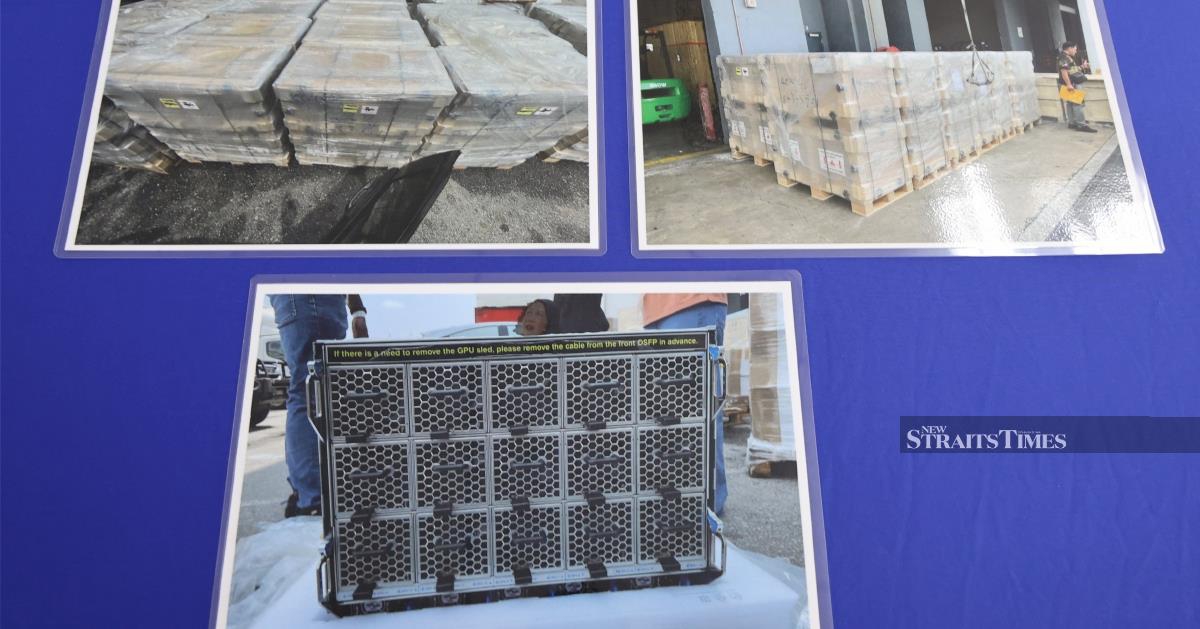
Singapore's police force announced on Wednesday that they had seized a high-value residential property worth in excess of US$40 million as authorities intensify their investigation into an alleged fraud scheme involving the illegal trafficking of artificial intelligence chips in contravention of United States export control regulations.
The confiscation of the ultra-luxury bungalow marks a significant escalation in what appears to be a complex international investigation spanning multiple jurisdictions. The property seizure underscores the serious nature of the allegations and suggests that authorities are treating the case with considerable urgency, moving to freeze assets linked to the inquiry before further investigation concludes.
The investigation centres on claims that restricted semiconductor technology—specifically advanced AI chips subject to stringent American export limitations—was transferred in violation of these controls. The technology in question falls under categories that the United States government restricts to prevent sensitive computing capabilities from reaching unauthorised destinations. Given Singapore's position as a global financial and technology hub, the city-state has become a focal point for authorities examining how such restricted goods may have flowed through international commercial networks.
US export controls on advanced semiconductors have tightened considerably over recent years, particularly with respect to technologies that could enhance artificial intelligence capabilities. These restrictions reflect broader geopolitical tensions and American concerns about maintaining technological advantages. The regulations require exporters, including intermediaries and logistics companies, to obtain specific licences before moving certain chip designs across borders, and violations carry substantial legal consequences.
For Malaysia and other Southeast Asian nations, this investigation carries particular relevance. The region has emerged as a critical player in global electronics manufacturing and semiconductor distribution chains. Malaysian companies—including contract manufacturers, logistics providers, and trading houses—operate extensively throughout the supply chain for high-technology components. Any significant enforcement action in the region serves as a reminder of the complexity and risks associated with handling restricted items, and the willingness of authorities to pursue comprehensive asset recovery as part of investigations.
The seizure of such a high-value asset in Singapore demonstrates how financial investigations into technology trafficking can extend far beyond examining the commodities themselves. Authorities frequently trace the proceeds of illegal transactions, and substantial property holdings in expensive real estate markets often represent where illicit gains are ultimately invested. The bungalow's value suggests that the alleged fraud scheme may have generated extraordinary profits.
Singapore's Corrupt Practices Investigation Bureau and police force work closely with international counterparts, including American law enforcement agencies, on cases involving breach of export controls. The city-state maintains strict compliance regimes and has invested considerably in ensuring that financial institutions and trading companies operating within its borders adhere to international sanctions and export restriction frameworks. Nevertheless, the complexity of modern supply chains means that sophisticated attempts to circumvent controls can sometimes evade detection for extended periods.
The investigation raises broader questions about oversight mechanisms within international trade networks and the challenges faced by regulators attempting to monitor the movement of sensitive technologies. Sophisticated smuggling operations often involve multiple intermediaries across different countries, deliberate misclassification of goods, and complex financing arrangements designed to obscure the true destination and end-user of restricted components. The fact that investigators appear to have uncovered a substantial operation suggests that warning signs may have been apparent to various parties in the supply chain.
For Malaysian businesses engaged in electronics distribution, manufacturing, or technology trading, such investigations serve as cautionary tales about the importance of robust compliance programmes. Companies must maintain rigorous documentation, verify end-users, and ensure that their operations do not inadvertently facilitate the movement of restricted goods. The potential consequences—including criminal prosecution, substantial financial penalties, and reputational damage—make due diligence an essential business requirement rather than merely a regulatory obligation.
The property seizure also reflects Singapore's commitment to asset recovery procedures in fraud cases. Beyond pursuing criminal charges against suspected perpetrators, authorities recognised the importance of preventing the suspected proceeds of unlawful activities from remaining under the control of those allegedly responsible. This approach aligns with international best practices in combating financial crime and ensuring that illicit gains do not provide criminals with leverage or continued resources.
As investigations of this nature progress, additional details often emerge regarding the scope of alleged misconduct, the identities of parties involved, and the precise mechanisms through which restricted technology allegedly changed hands. The presence of such a high-value property in the investigation suggests that the case involves sophisticated actors with significant financial resources and international connections. The coming weeks and months will likely reveal more about how such a substantial fraud scheme allegedly operated and which commercial entities may have played roles—whether knowingly or through inadvertent complicity—in facilitating the unlawful transactions.

