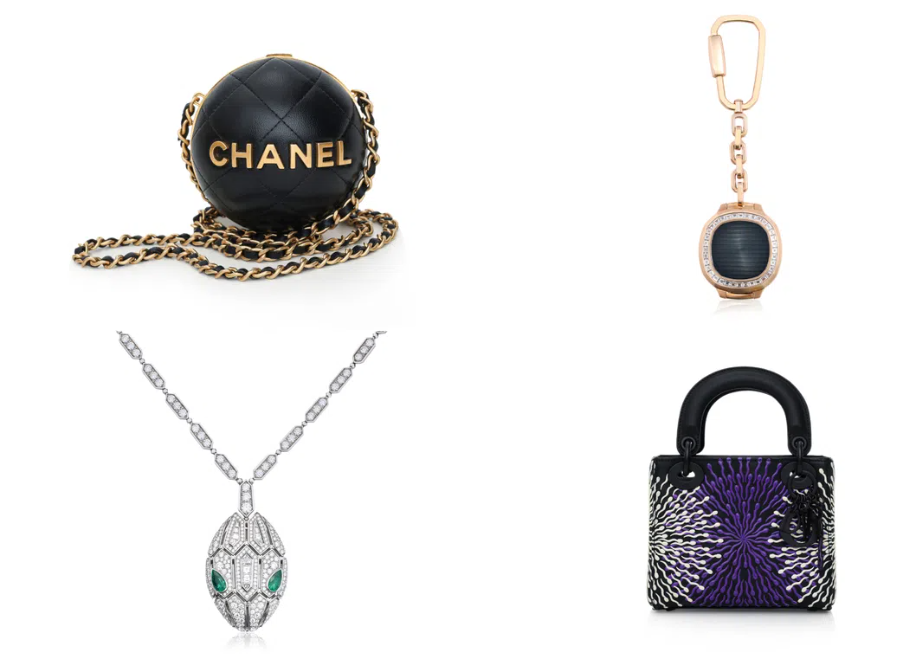
Singapore's authorities are preparing to divest themselves of a vast collection of confiscated luxury goods and real estate stemming from the country's most significant money laundering investigation to date. The assets, seized during a sweeping crackdown that began in August 2023, will be systematically liquidated through a carefully orchestrated series of online auctions managed by professional liquidators and international auction specialists. This approach represents a comprehensive strategy to convert seized tangible assets into government revenue while maintaining strict oversight and transparency throughout the disposal process.
The scale of the original investigation underscores the gravity of the money laundering network that authorities dismantled. The operation, which centred on 10 foreign nationals who have since been convicted and deported, involved the seizure or control of approximately S$1.25 billion in non-cash assets alongside S$1.45 billion in frozen bank accounts and S$76 million in physical currency. Beyond these financial instruments, police recovered an extraordinary range of acquisitions that the criminal network had purchased: 207 residential properties, 77 high-end vehicles, 483 luxury handbags, 169 branded watches, 580 pieces of fine jewellery, 68 gold bars, and thousands of bottles of premium liquor and wine. The diversity of these holdings reflects how sophisticated money laundering operations distribute illicit proceeds across multiple asset classes to obscure their origins.
Deloitte, the professional services firm managing the overall liquidation strategy, has structured the asset sales into distinct phases to maximise market exposure and optimise returns. More than 80 properties tied to the investigation will be progressively marketed to the real estate market, with three major realtors—SRI, Edmund Tie & Company (SEA) and Knight Frank—appointed as official sales agents. For domestic buyers and investors, this represents a significant opportunity to acquire properties that will be offered through transparent, government-supervised channels. The property sales will employ multiple mechanisms including traditional auctions, limited tenders, and expressions of interest, allowing for flexibility in reaching different market segments and achieving competitive pricing for each asset.
The moveable luxury assets will be handled through a dedicated auction series administered by Hotlotz, a Singapore-based auction house with established credentials in managing high-value sales. The inaugural auctions commence on September 7, 2026, with two simultaneous sales focusing exclusively on handbags and fine jewellery. The initial catalogue comprises more than 300 luxury handbags and accessories from prestigious brands including Chanel, Louis Vuitton and Christian Dior, alongside more than 250 pieces of fine jewellery from makers such as Graff, Bulgari and Van Cleef & Arpels. Subsequent auction tranches, anticipated for November 2026 and continuing through May 2027, will feature Hermès handbags and luxury timepieces from Patek Philippe, Richard Mille and Rolex. In total, the 15-auction programme expects to catalogue and offer more than 1,000 individual items to the global market.
The auction structure has been designed to attract international bidders whilst maintaining robust procedural safeguards. All bidding will occur exclusively online, with auctions opening at 10 AM Singapore time on September 7 and remaining active until 4 PM on September 20. Prospective participants from anywhere in the world may register to bid, subject to mandatory identity verification procedures conducted by Hotlotz. The digital cataloguing system will publish detailed descriptions and imagery on the auction house's website simultaneously with bidding commencement, ensuring all participants access identical information. For those wishing to inspect items physically before committing to purchase, Hotlotz has established a viewing programme at Le Freeport, Singapore's maximum-security private vault facility located in Changi, with appointments available by advance booking through the digital platform.
This auction strategy carries particular relevance for the Southeast Asian investment community and Malaysian collectors in particular. The liquidation of such substantial luxury assets in the regional market provides opportunities for businesses and individuals seeking authentic branded merchandise, fine art, timepieces and jewellery through fully transparent government-supervised channels. The international character of the auctions means Malaysian participants can compete directly for assets previously held in one of Asia's most affluent jurisdictions. Furthermore, the sale of residential properties may attract Malaysian real estate investors and developers keen to acquire portfolios in Singapore's competitive but lucrative property market.
From a regulatory perspective, Singapore's approach to asset liquidation demonstrates the institutional capacity of advanced financial centres to manage complex money laundering investigations through their conclusion. The appointment of reputable third-party liquidators, the use of established auction mechanisms, and the public documentation of all proceeds represents best practices in asset recovery. Justin Lim, performance improvement partner at Deloitte, emphasised that beyond auctions, Deloitte retains discretion to employ alternative realisation methods including tender processes, expressions of interest, and direct sales for specific assets where such approaches serve to maximise value. This flexibility acknowledges that different asset categories command different optimal sales methodologies.
The financial implications have already proven substantial. As of the close of Singapore's 2025 financial year, police reported that S$1.4 billion comprising cash from seized bank accounts and previously liquidated proceeds had already been transferred to the Consolidated Fund. This represents approximately 46 percent of the total S$3 billion case value already recovered and deposited into government coffers. The systematic auctioning of remaining tangible assets—particularly the 207 properties—promises to significantly augment this total. Given contemporary property valuations in Singapore and the demonstrated market demand for luxury timepieces and handbags globally, the remaining asset portfolio likely represents several hundred million dollars in potential realisation value.
For regional law enforcement and financial regulators, the Singapore operation and its methodical asset recovery phase offer instructive lessons in pursuing transnational money laundering networks. The initial August 15, 2023 island-wide coordinated enforcement action that led to the arrest of the 10 foreign nationals demonstrated the intelligence and operational capabilities required to identify and dismantle sophisticated criminal financial structures. Equally important has been the subsequent patient, deliberate phase of asset liquidation that follows conviction and deportation, ensuring that proceeds are ultimately restored to the public coffers rather than remaining frozen indefinitely or vulnerable to further criminal claims.
Singapore authorities have publicly cautioned members of the general public to participate only through officially sanctioned auction and sales processes conducted by or formally linked to the appointed agencies. This warning reflects the inevitable emergence of fraudulent schemes that exploit public interest in high-profile asset auctions by posing as official sellers. Legitimate participation requires engagement only with Hotlotz for moveable assets and the three specified realtors for properties, with all transactions occurring through their authenticated digital platforms and official channels.
The multi-year liquidation schedule extending from September 2026 through May 2027 suggests that Singapore authorities have adopted a measured pace to avoid market disruption that rapid bulk asset sales might precipitate. Spacing the 15 planned auctions across nine months allows the market to absorb successive tranches of luxury goods without depressing prices through oversupply. This considered approach balances the imperative to complete asset liquidation with the practical economics of maximising recovery value—a calculus that should resonate with any government seeking to optimise proceeds from asset forfeiture. The success of this model may establish precedent for how other jurisdictions manage similar large-scale asset recovery following major financial crime prosecutions.

