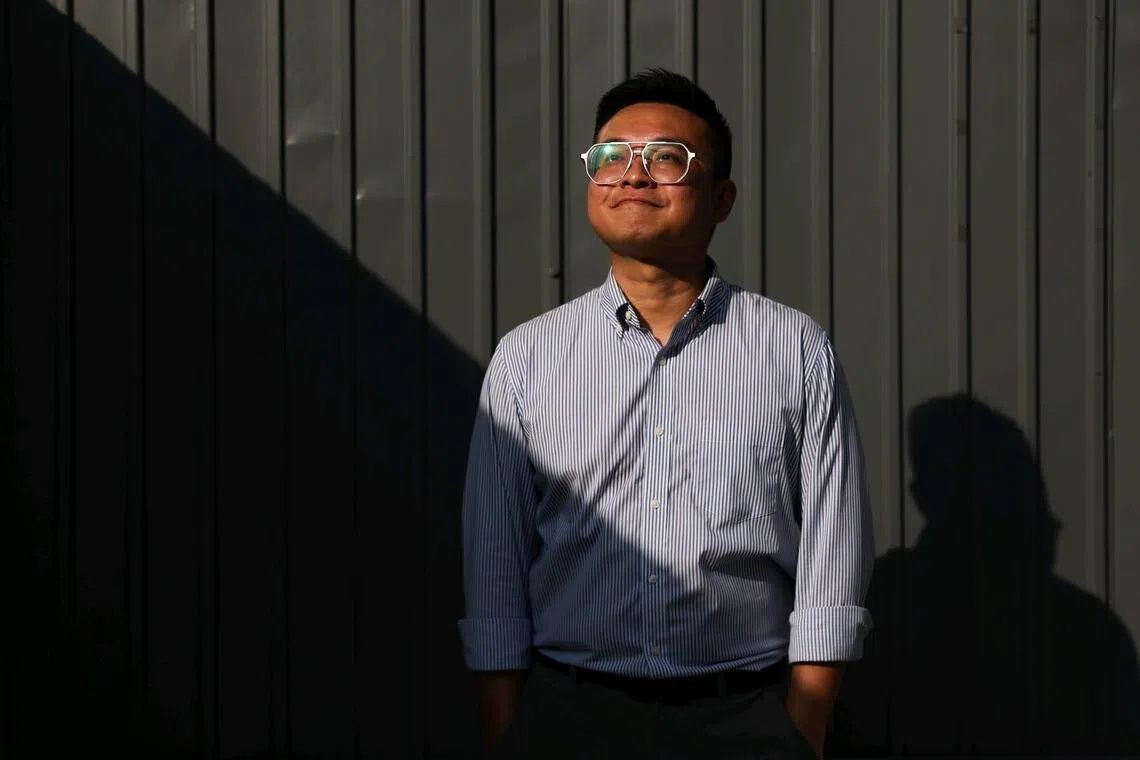
The carefully constructed careers of Singapore's well-educated professionals can unravel swiftly behind closed doors. Cornelyus Tan spent years building a reputation as a talented marketing specialist while harbouring a devastating secret—a dependence on methamphetamine that consumed his personal life even as he excelled professionally. His arrest in 2022 and subsequent six-month detention at Changi Prison's Drug Rehabilitation Centre marked the abrupt end of his double existence. Yet Tan's story is far from unique. Within those rehabilitation walls, he encountered teachers, lawyers, bankers and other white-collar workers sharing an identical struggle, each person whose résumé suggested success but whose reality revealed profound internal turmoil.
Statistics paint a concerning picture of shifting drug demographics in Singapore. The number of inmates with tertiary education or higher qualifications in the Drug Rehabilitation Centre climbed substantially, rising from 204 individuals in 2021 to 293 in 2025, according to figures released by Singapore Prison Service. This cohort now represents roughly one in ten newly admitted inmates, a proportion that has grown from 8.8 per cent four years earlier. Their educational backgrounds span an impressive range, extending from polytechnic diplomas through to advanced doctoral degrees. What was once considered an anomaly—the arrest of a medical doctor for drug use—now appears symptomatic of a broader transformation in how addiction manifests across Singapore's stratified society.
While authorities note this trend partly reflects the island's overall educational advancement, where the proportion of residents aged 25 and above holding tertiary qualifications expanded from 42.9 per cent to 54.5 per cent over the past decade, the Central Narcotics Bureau emphasises that highly educated individuals remain statistically under-represented within the rehabilitation centre population. Nevertheless, the rising numbers suggest that education and professional achievement, qualities traditionally viewed as insulating factors against substance abuse, offer no genuine immunity to addiction's reach. Mental health counsellors and addiction specialists increasingly recognise that the notion of drug use as exclusively afflicting the poorly educated, economically disadvantaged or socially isolated represents outdated thinking that obscures contemporary realities.
The mechanisms enabling drug access have fundamentally transformed. Gopal Mahey, a senior counsellor at the Centre for Psychotherapy, identifies the expansion of international drug markets and proliferation of synthetic substances as key drivers. Technology has demolished the traditional gatekeeping mechanisms that once restricted drug availability to specific social networks. Historically, individuals seeking illicit substances relied upon personal intermediaries—family members with addiction histories, neighbourhood dealers, or trusted acquaintances. Today, that dependency has evaporated. Tham Yuen Han, executive director of We Care Community Services, observes that drugs now find their way to potential users through social media platforms and encrypted messaging services like Telegram, which operate as digital marketplaces requiring no prior social connection or street-level knowledge. The barrier to entry has never been lower, democratising access across educational and income categories.
Multiple reinforcing factors encourage substance experimentation among accomplished professionals. Peer influence, social media algorithms that amplify drug-related content, celebrity culture that romanticises substance use, and exposure to more permissive attitudes toward drugs encountered during overseas travel all contribute. For some educated individuals, initial drug use presents itself not as a symptom of desperation but as a solution to manageable problems. Substances promise enhanced productivity, relief from accumulated stress, and social facilitation—practical benefits that appeal to high-achieving individuals managing demanding careers and expectations.
Tan's introduction to methamphetamine occurred at a social gathering in 2014, when he was a 25-year-old university student pursuing photography. The drug delivered what he describes as a Superman effect—an extraordinary surge of energy and focus that enhanced his creative thinking and productivity. His photographic work garnered genuine professional recognition, and a media outlet featured him as an emerging talent in 2015. The narcotic appeared to unlock capabilities, not replace them. For several years, he successfully abstained after observing physical deterioration including rapid weight loss and profuse perspiration. His resolve crumbled in 2020, however, when professional pressures intensified at his position managing regional marketing operations for an e-commerce enterprise. The internal voice recommending drug use resurged with compelling persuasiveness, offering temporary escape from unbearable stress.
Methamphetamine stands among the most frequently abused substances among tertiary-educated individuals arrested in 2025, alongside cannabis, ecstasy and heroin. Samuel Chua, principal counsellor at the Institute of Mental Health's National Addictions Management Service, observes that educated professionals seeking chemical escape experience identical psychological drives as other addicts—the fundamental human desire to alleviate pain and distress transcends educational achievement. Yet highly educated individuals face unique psychological obstacles when confronting addiction. Their confidence in intellectual capability and self-regulation creates denial mechanisms that prove particularly resistant. These professionals often believe their superior reasoning permits controlled recreational use, a cognitive distortion that delays intervention and escalates dependency.
Tan developed strategies to maintain the appearance of functionality. During inevitable mood crashes following intoxication periods, he would interrupt use for several weeks, creating intervals that sustained the illusion of control. A former junior college teacher, identified here as John, operated with similar mechanisms, successfully concealing his methamphetamine dependence for approximately six months while fulfilling teaching obligations. He first encountered the drug at a social event in 2015, initially viewing it as a means to strengthen social bonds with peers present. As his addiction deepened and concurrent relationship abuse intensified its psychological toll, his professional performance deteriorated. Increasing class absences finally triggered intervention from his supervisor, prompting fabricated excuses that momentarily deflected scrutiny.
The implications for Singapore's drug policy and prevention frameworks appear substantial. Current messaging targeting addiction prevention frequently emphasises individual vulnerability factors—poverty, limited education, family dysfunction, neighbourhood disadvantage. This risk-factor approach, while addressing genuine causative elements, may inadvertently create dangerous blind spots among educated populations who view themselves as fundamentally protected by achievement and social status. Mental health professionals increasingly argue for reconceptualised prevention frameworks recognising addiction as a universal human vulnerability rather than a condition primarily affecting marginalised populations. The changing demographic profile of rehabilitation centre populations suggests Singapore's drug prevention and treatment infrastructure requires recalibration to engage educated professionals who may delay seeking help because they believe addiction disproportionately affects "other people."
Tan's public acknowledgment of his addiction journey carries particular significance within Singapore's cultural context, where shame and professional stigma intensely discourage disclosure among educated individuals. By articulating his experience to media outlets, he challenges the silence that enables others to suffer privately while maintaining false external respectability. Professional achievement, he argues, masks fundamental internal struggles that addiction temporarily but devastatingly addresses. The expansion of substance abuse among Singapore's educated workforce suggests that psychological distress, social disconnection and existential anxiety exist abundantly within the island's prosperous professional classes, hidden beneath accomplishment and credentials. Until these underlying vulnerabilities receive serious attention, education alone cannot serve as reliable protection against drugs' escalating accessibility and appeal.

