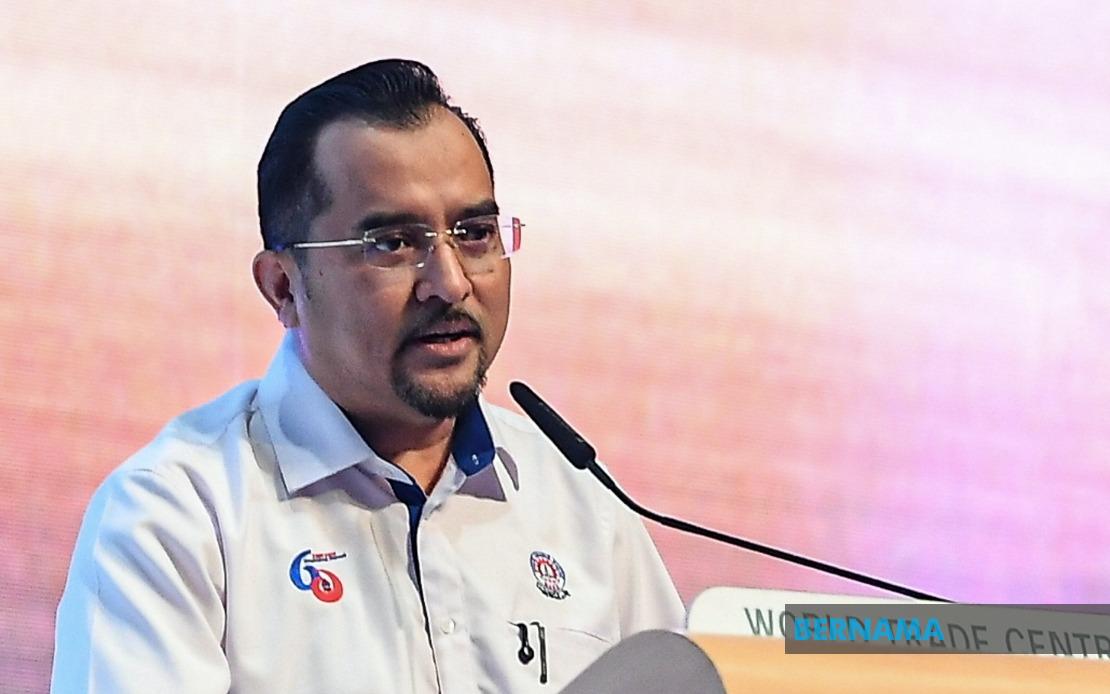
A bullying incident at a MARA Junior Science College (MRSM) in Johor has triggered swift institutional action, with the college's governing body pledging immediate expulsions for any students convicted of the offence. MARA Chairman Datuk Asyraf Wajdi Dusuki announced on Friday that six Form Five students arrested on suspicion of bullying will face expulsion if proven guilty, signalling an uncompromising stance on abuse within the prestigious residential colleges.
The case emerged publicly after the parents of the bullied student, a 14-year-old, disclosed their ordeal on social media platforms, revealing that their son had reached a breaking point and requested withdrawal from MRSM due to the psychological toll of sustained harassment. The distress detailed by the family prompted wider concern about safeguarding practices at the institution and eventually led to a police investigation, with the six suspects remanded for two days to facilitate inquiries into the allegations.
Responding to the case, Asyraf directed MARA's Secondary Education Division and the MRSM administration to activate the College Disciplinary Committee within 24 hours to conduct a thorough investigation and determine culpability. The compressed timeline reflects the seriousness with which leadership is treating the matter, moving beyond routine procedures to demonstrate institutional accountability to parents and the public. His Facebook statement conveyed evident frustration with the incident, framing it as a personal disappointment that contradicts the values MRSM espouses as a premier educational establishment.
The MARA chief articulated a hardline policy encapsulated in the phrase "YOU TOUCH, YOU GO," explicitly warning that bullying or vigilante-style "discipline" of junior students would result in immediate removal from the college. This messaging aims to establish an unmistakable cultural shift within MRSM communities, addressing what appears to be a normalised or tolerated practice of hazing or physical intimidation. The severity of his tone suggests institutional awareness that bullying has persisted or recurred at these facilities, necessitating a forceful corrective statement.
What distinguishes this case is the family's willingness to publicise their child's experience rather than accepting institutional processes in silence, a trend increasingly common in Malaysia where social media gives voice to grievances previously contained within school corridors. The victim's inability to endure the harassment, to the point of requesting departure from a highly competitive and valued institution, underscores the psychological damage such conduct inflicts on adolescents. The case serves as a reminder that prestigious boarding schools, despite their academic rigour and resources, remain susceptible to social hierarchies and peer abuse if governance structures prove inadequate.
Asyraf also appealed to the broader MRSM student body to report bullying incidents directly to teachers, wardens, or administrators without hesitation or fear of repercussion, attempting to create pathways for disclosure that might have been absent or ineffective previously. This call for transparency assumes that victims and witnesses have previously chosen silence, perhaps due to distrust of authority, fear of retaliation, or cultural norms that discourage "telling" on peers. The chairman's explicit reassurance that reporting students will not face consequences indicates recognition that institutional culture may have discouraged such disclosures.
Particularly noteworthy is Asyraf's warning to staff and senior students that those who conceal or protect bullies will face action themselves, effectively establishing collective accountability. This approach targets not only perpetrators but the social structures and silences that enable abuse, acknowledging that bullying typically thrives in environments where witnesses and bystanders remain complicit through inaction. By threatening institutional consequences for enablers, MARA signals an intention to dismantle protective networks that have historically shielded abusers within closed communities like residential schools.
The incident raises broader questions about safeguarding frameworks within Malaysia's boarding school system, particularly at MRSM institutions that draw ambitious students from across the nation. While these colleges maintain strong academic reputations, their residential environments create hierarchies and group dynamics that can foster abuse if oversight mechanisms prove weak. The case will likely prompt reviews of supervision protocols, counselling availability, and reporting channels across the MRSM network.
For parents and families considering enrollment at MRSM colleges, this episode presents a mixed signal: while institutional leadership has demonstrated willingness to act decisively once issues surface, the fact that a 14-year-old felt compelled to request withdrawal and that his family resorted to social media disclosure suggests that earlier safeguards may have failed. The police investigation into the six students will determine whether the bullying constituted criminal conduct or remained within the realm of school discipline, with potential implications for how such incidents are handled institutionally versus through law enforcement in future cases.
The commitment to expulsion represents a significant disciplinary response that carries permanent consequences for the accused students, provided guilt is established. This threshold reflects zero-tolerance messaging but also assumes that guilt will be conclusively proven, a process that may prove complex when bullying allegations involve multiple parties and contested accounts of events. The outcome of the disciplinary committee investigation and any subsequent legal proceedings will test whether MARA's stated resolve translates into consistent implementation or remains confined to public statements.

