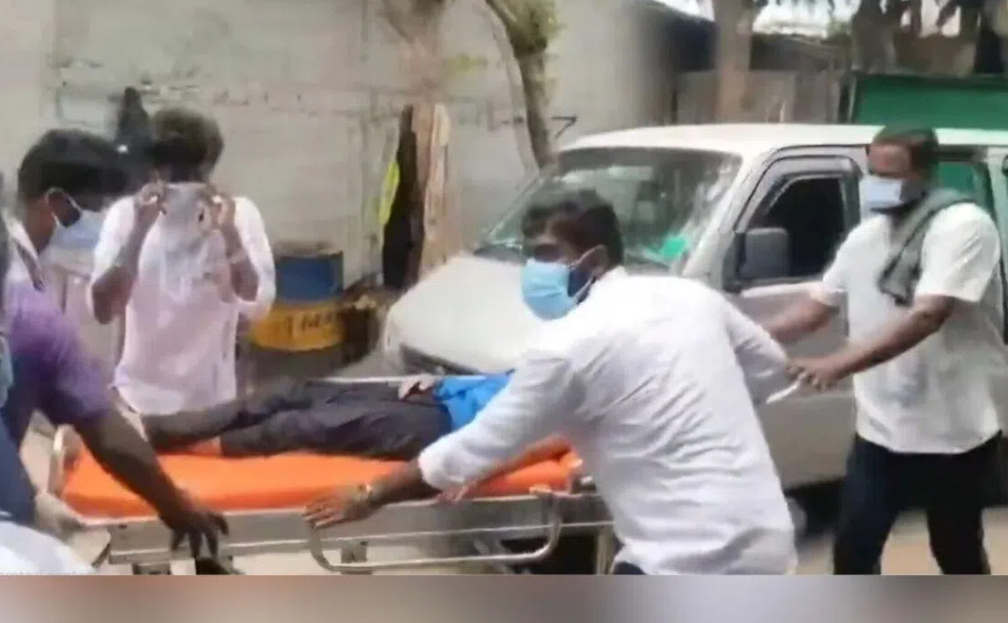
A catastrophic ammonia gas leak at a seafood processing facility in Tamil Nadu's Thiruvallur district claimed the lives of at least six workers on Sunday, with scores more requiring emergency hospitalization. The incident unfolded at a seafood export processing unit located near Periyapalayam village, where approximately 120 migrant workers from across India's eastern and northeastern states were employed when the suspected leak occurred. The facility, which processes seafood for export markets, became a confined death trap within moments as the colorless but deadly gas spread rapidly through the premises, catching workers and management unprepared for the crisis.
The suspected leak originated from the unit's refrigeration or processing system, according to initial assessments by authorities. Ammonia, widely used in industrial cooling systems, proved catastrophically toxic when released in high concentrations within the confined spaces of the processing facility. Workers exposed to even moderate levels of ammonia gas experience immediate and severe physiological distress, and the symptoms reported by survivors bore grim testimony to the intensity of exposure at the plant. Those present described witnessing colleagues collapse suddenly, with some victims bleeding from the mouth and nose—clinical indicators of severe respiratory tract damage and the kind of exposure that typically proves fatal without immediate medical intervention.
The workforce at the facility comprised predominantly migrant labor, drawn from states including Assam, Odisha and Jharkhand. This composition reflects a broader pattern across India's seafood processing industry, which relies heavily on migrant workers often operating in conditions with minimal safety oversight. These workers, typically among the country's most economically vulnerable populations, frequently lack comprehensive understanding of the hazards they face or the protocols they should follow during emergencies. Many such facilities operate in districts where enforcement of industrial safety regulations remains inconsistent, creating environments where equipment maintenance lapses and safety culture deficiencies go unchecked.
When the gas leak commenced, panic rapidly overtook the facility as workers instinctively fled toward exits and open air. Emergency response teams, police personnel and local authorities responded relatively swiftly to calls for assistance, initiating rescue and evacuation operations. The affected workers were transported to nearby hospitals where medical teams initiated treatment protocols for acute ammonia inhalation injuries. Several victims were reported to be in critical condition, requiring intensive care and respiratory support to sustain life as their lungs processed the chemical damage sustained during exposure.
The incident prompted immediate attention from Tamil Nadu's Chief Minister C. Joseph Vijay, who expressed concern about the tragedy and mandated that officials provide comprehensive medical assistance to all affected workers. The state government responded by constituting a three-member inquiry committee tasked with examining the circumstances that enabled the leak to occur. This investigative panel was directed to conduct an immediate physical inspection of the facility and submit detailed findings within twenty-four hours, establishing an aggressive timeline reflecting the political urgency surrounding workplace safety in the state.
The scope of the inquiry extends beyond the immediate technical causes of the leak. Investigators are expected to scrutinize the facility's safety protocols, examining whether adequate standard operating procedures existed to detect and manage potential gas leaks. Maintenance records and procedures will come under examination to determine whether the refrigeration or processing system had been properly serviced and monitored. The investigation will also assess whether facility management had implemented appropriate training for workers regarding hazardous gas exposure, evacuation procedures and emergency response protocols.
Beyond the specific failures at this facility, the incident raises systemic questions about industrial safety oversight in India's seafood processing sector. Tamil Nadu operates one of India's largest seafood export industries, generating significant foreign exchange earnings and employment. However, rapid expansion in the sector has sometimes outpaced the development of safety culture and regulatory enforcement capacity. Many processing units operate in semi-industrial areas where proximity to residential zones means that any major industrial incident poses risks to broader communities, not merely workers.
The police have registered a case following the incident, and criminal investigations remain ongoing. Officials are examining whether violations of established industrial safety regulations directly contributed to the disaster. Such regulatory violations might encompass failures in maintaining safety equipment, inadequate worker notification of hazards, insufficient emergency preparedness, or lapses in equipment inspection and certification. The legal framework exists in India to hold facility operators accountable for such breaches, yet inconsistent enforcement has historically meant that penalties remain insufficient to incentivize meaningful safety investment by operators.
For Malaysian readers and regional observers, this incident underscores interconnected concerns about labor standards and workplace safety across Southeast Asia's seafood supply chains. Many seafood products consumed in Malaysia originate from processing facilities across South Asia, including those in Tamil Nadu. The accident illuminates broader questions about due diligence standards that importing countries should impose on suppliers. Malaysian businesses sourcing seafood from Indian processors should consider whether their supply chain oversight extends to verification of workplace safety compliance and whether purchasing decisions reward suppliers maintaining robust safety cultures.
The tragedy also reflects persistent vulnerabilities in migrant worker protection across the region. Migrant laborers from northeastern and eastern Indian states working in Tamil Nadu frequently lack strong advocacy networks or family connections in their temporary locations. This isolation can prevent workers from reporting safety concerns or seeking support after incidents. Regional cooperation frameworks addressing migrant worker protection remain underdeveloped relative to the scale of labor migration across South Asia and Southeast Asia.

