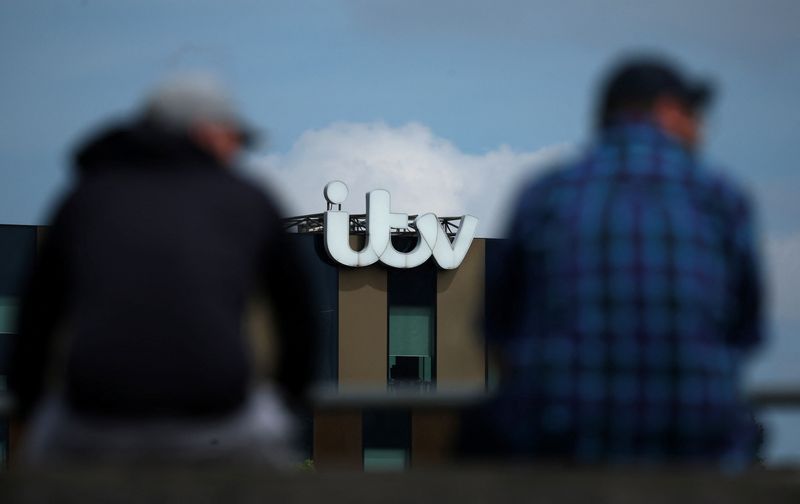
In a transformative move for British media, Comcast-owned Sky has agreed to purchase the broadcast channels and streaming operations of ITV in a transaction valued at £1.6 billion, or $2.13 billion. The announcement on Monday marks what Sky Chief Executive Dana Strong characterised as a watershed moment in British broadcasting history, signalling the first major consolidation of this scale among traditional television incumbents. The deal underscores the seismic shifts occurring in the media landscape as traditional broadcasters grapple with audiences migrating to streaming platforms and digital video services.
The rationale underpinning the transaction reflects industry-wide pressures that have mounted over the past decade. YouTube and streaming services operated by Netflix, Amazon and Disney have fundamentally altered how audiences consume content, leaving Britain's established television companies economically vulnerable. ITV, in particular, has weathered persistent headwinds in the advertising market, with its share price declining 36 percent over five years. By combining forces, Sky and ITV aim to construct an entity with sufficient scale and financial resources to invest in original programming and compete credibly against American technology giants that now dominate global entertainment.
The combined operation will serve over 20 million British households and command a formidable position in the domestic market. Analysts have calculated that the merged entity would control more than 70 percent of the United Kingdom's television advertising market. This concentration, however, has already triggered concerns among regulators and lawmakers. To address anticipated regulatory objections, Sky may be required to divest certain third-party advertising contracts, including those it currently manages for Paramount-owned Channel 5. Such concessions represent a substantial potential reduction in the combined company's revenue streams and market power.
Dana Strong articulated the strategic vision animating the merger, emphasizing that the combined entity would produce world-class British programming while maintaining ITV's status as a public service broadcaster embedded within British cultural life. The commitment to preserve ITV's public service remit carries symbolic weight, as the broadcaster has operated for decades as a cornerstone of British television and a counterweight to the BBC. Nevertheless, this assurance will require close monitoring as the two organizations integrate their operations and editorial functions.
The transaction structure reveals the financial pressures weighing on traditional broadcasters. ITV will receive £1.2 billion in immediate cash payment, with an additional performance-based earn-out of up to £200 million contingent upon advertising revenue targets in the 2027 financial year. The agreement also includes the transfer of Love Productions, the production company behind The Great British Bake Off, to the ITV Studios business. This bifurcated arrangement—splitting ITV's broadcasting operations from its production arm—allows the production business to continue operating as an independent entity creating content for the combined ITV-Sky venture as well as external clients including Disney and Apple TV+.
The regulatory pathway for this deal remains uncertain and represents a critical variable determining its ultimate viability. Culture Minister Lisa Nandy has signalled openness to shaping media transactions in ways that support British industry, recently indicating she could intervene in hypothetical deals involving American media companies like Paramount and Warner Bros. The 2025 government directive instructing regulators to prioritise growth and investment conditions has created a more permissive atmosphere for major transactions. However, the 70 percent advertising market share concentration presents a substantial challenge that cannot be dismissed, even in this more accommodating regulatory environment.
Industry observers across Britain will scrutinise this transaction as a potential bellwether for future consolidation among legacy media companies. A decade ago, such a combination would have faced near-certain regulatory rejection on competition grounds. If approved, the deal would establish a precedent suggesting that market concentration concerns can be overcome when incumbents credibly demonstrate that they require scale to survive against digital-native competitors. Conversely, regulatory rejection would signal that traditional antitrust frameworks remain operative regardless of claimed competitive necessity.
The corporate history underlying this transaction extends back to 1989, when Rupert Murdoch established Sky as a satellite television venture. For three decades, the Murdoch family maintained direct control through key operational positions, with James Murdoch holding senior roles. Comcast acquired Sky in 2018, subsequently incorporating it into a global media and entertainment portfolio. Last June, Comcast announced plans to separate its media assets, including NBCUniversal and Sky, from its cable business infrastructure, reflecting mounting investor pressure to isolate struggling traditional media from profitable broadband and connectivity operations.
ITV's journey toward this transaction reflects two decades of strategic turbulence. Once a collection of regional franchises unified under a single corporate entity, ITV has experienced declining advertising revenues, audience migration to streaming services, and particularly acute viewer losses among younger demographics aged 16-24 years. The broadcaster has implemented successive cost reduction programmes while attempting to maintain investment in popular programming including Love Island and Coronation Street. Nevertheless, equity investors have progressively lost confidence, with the share price trajectory providing a stark illustration of shareholder wealth destruction.
The merged entity has committed to investing a minimum of £2.1 billion in content production during the 2028-2032 period. This pledge reflects both the imperative to attract audiences through premium original programming and a strategic necessity to differentiate against international competitors. British production talent commands global market respect, and shows like The Great British Bake Off and Coronation Street attract international distribution revenue. By consolidating production capacity and expanding distribution capabilities across both terrestrial and streaming platforms, the combined company aims to maximise value extraction from British creative assets.
For Malaysian and Southeast Asian observers, this transaction illuminates broader dynamics reshaping global media industries. The British experience demonstrates how streaming giants have fundamentally altered competitive conditions, forcing traditional broadcasters to pursue unprecedented scale through merger. Similar pressures are mounting on regional broadcasters across Asia-Pacific, from Australia's Nine Entertainment to Indian media conglomerates. The regulatory response in Britain—whether approving or rejecting the deal—will provide instructive lessons regarding how governments balance legacy media protection against global competitive realities.
The timing of this announcement amid broader industry consolidation trends underscores a critical juncture for traditional television. Public service broadcasting obligations remain important cultural considerations, yet financial sustainability requires competing effectively against companies unencumbered by such public interest requirements. The Sky-ITV deal exemplifies this fundamental tension, and its regulatory outcome will help determine whether traditional broadcasters can adapt and survive, or whether their decline remains inevitable despite consolidation efforts.

