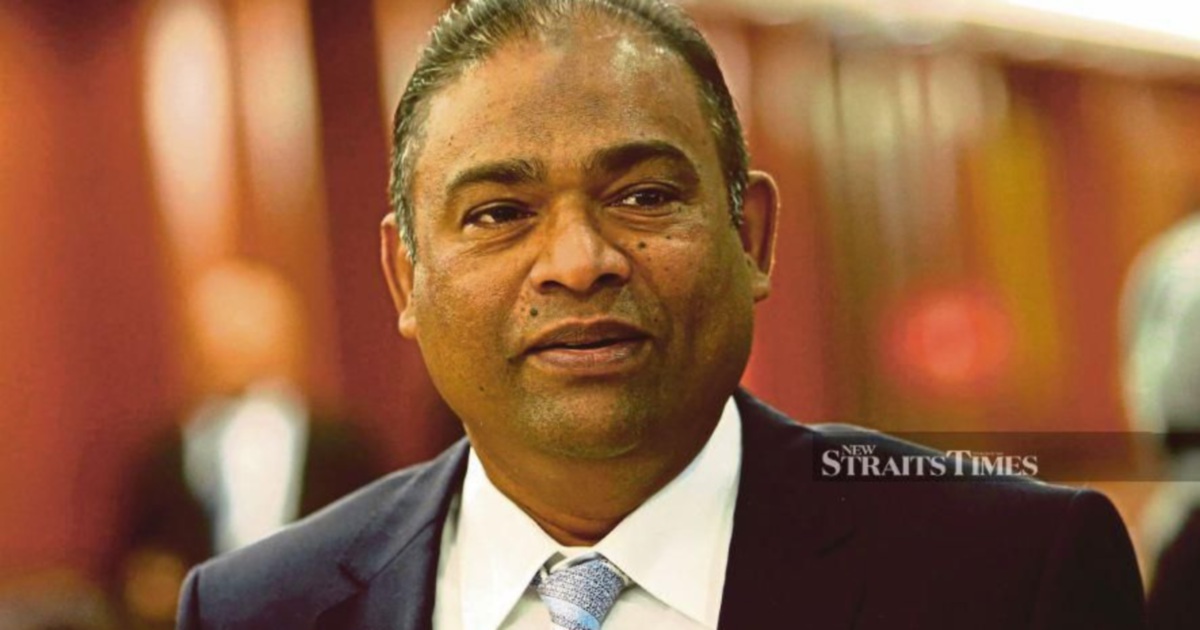
Datuk Seri Abdul Azeez Abdul Rahim, the former chairman of Tabung Haji, was not arrested by the Malaysian Anti-Corruption Commission, according to a clarification issued by his son Mohamed Khairul Azman. The statement appears to address speculation and reports that had circulated regarding the ex-official's status with the nation's anti-graft watchdog.
The clarification comes at a time when public discourse surrounding high-profile figures and their dealings with oversight bodies remains intensely scrutinised. Any announcement involving potential enforcement action against senior officials, particularly those who have held prestigious positions within Malaysia's financial sector, typically generates significant public and media attention. The swift response from the family underscores the importance of accuracy in such sensitive matters, where misreporting can rapidly spread through social media channels and damage reputations.
Tabung Haji, formally known as the Lembaga Tabung Haji, stands as a cornerstone institution in Malaysia's Islamic financial ecosystem. The organisation manages pilgrimage savings and investments for Malaysian Muslims preparing for the hajj journey to Mecca. Leadership positions at Tabung Haji carry considerable responsibility and visibility, given the organisation's fiduciary obligations to hundreds of thousands of depositors and the cultural significance of its mission within the Muslim community.
The position of chairman represents one of the most prominent roles within the institution, placing holders of the office under considerable public scrutiny. Decisions made during tenure and the conduct of chairpersons frequently become subject to examination by regulators, lawmakers, and civil society watchdogs. This elevated level of oversight reflects both the importance of the organisation and the heightened expectations placed on those entrusted with managing such institutions.
Malaysia's anti-corruption framework has undergone significant evolution in recent years, with the MACC intensifying efforts to investigate alleged misconduct across both public and private sectors. The commission's investigations into senior figures have garnered substantial media coverage and public interest, particularly when they involve individuals previously holding positions of considerable authority and influence. Such cases often feature prominently in national discourse regarding accountability and institutional governance.
The circulation of unverified claims on social media platforms has become a recurring challenge in Malaysia's information ecosystem. Reports that lack official confirmation frequently spread rapidly, creating confusion and potentially causing reputational harm to individuals named in such posts. The intervention of family members to publicly clarify or contest such reports has become an increasingly common response to address misinformation and set the record straight.
For Malaysian readers and the broader public with interests in institutional governance and anti-corruption developments, such clarifications hold particular significance. Transparency regarding enforcement actions helps maintain public confidence in both the institutions under investigation and the regulatory bodies conducting examinations. When confusion arises about whether formal action has been taken against prominent figures, swift official or family responses can help restore clarity to the public discourse.
The relationship between Malaysia's various oversight mechanisms and the individuals they examine remains a subject of considerable public interest. Cases involving former leaders of major institutions attract attention not merely because of the individuals involved, but because they speak to broader questions about accountability, governance standards, and the effectiveness of institutional checks and balances. The outcome and conduct of such matters carry implications that extend beyond individual actors to shape public perception of institutional integrity more broadly.
For Tabung Haji itself, clarity regarding former leadership and any potential legal matters proves important for stakeholder confidence. The institution's depositors, many of whom are ordinary Malaysian Muslims entrusting their savings to the organisation, benefit from transparent information about governance and any issues that may have arisen during previous administrations. Such transparency supports the ongoing credibility of the institution as it continues managing substantial assets on behalf of its membership base.
The MACC, established under the Malaysian Anti-Corruption Commission Act 2009, operates with a mandate to investigate suspected misconduct across multiple sectors. The commission's track record of pursuing cases involving senior officials and major institutions has contributed to elevated public awareness about anti-corruption efforts in Malaysia. However, the agency also operates within specific procedural and legal frameworks that govern how enforcement actions may be initiated, conducted, and publicised.
Moving forward, developments regarding any formal investigations or enforcement matters typically proceed through established legal channels. Official announcements from the MACC itself, court filings, or statements from relevant government authorities would represent the most authoritative sources of information regarding any actual enforcement actions. Family statements serve an important function in immediately addressing speculation, but formal legal and governmental channels ultimately determine the official record of any such proceedings.

