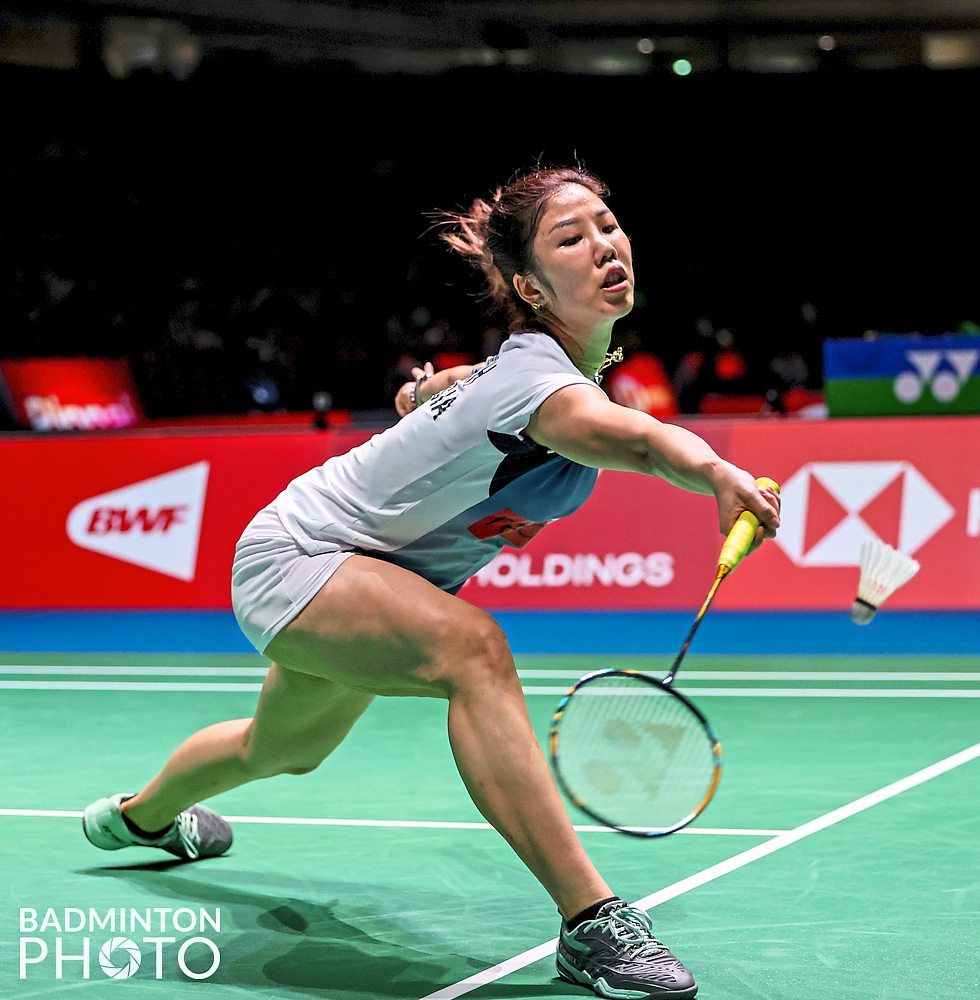
Former national women's singles badminton player Soniia Cheah has stepped down from her position as Kuala Lumpur Badminton Association sports director, ending her brief tenure with the organisation effective Wednesday. The departure marks an unexpectedly abrupt conclusion to her appointment, which had commenced merely four months earlier when she took on the role in February. While Cheah remained circumspect about the specific circumstances prompting her departure, she made clear that her decision reflected a fundamental misalignment between certain operational matters at the association and her deeply held professional convictions.
Cheah, now 33, articulated her reasoning in measured terms that underscored the gravity of her decision. She explained that her resignation stemmed not from interpersonal conflict but from broader institutional concerns that she felt compromised her ability to perform her duties with integrity. Her reluctance to provide granular details suggests sensitivity around the issues involved, yet her insistence that the decision was carefully weighed indicates this was no impulsive action. Instead, the move appears to reflect a principled stand taken by someone accustomed to navigating the demands of elite sport, where ethical considerations often clash with institutional pressures.
In her departure statement, Cheah emphasised that her concerns transcended any individual at the association. Instead, she positioned her resignation as a personal statement about the need for organisational introspection. Her hope that the move would catalyse internal review speaks to her desire to foster change from outside rather than effect it from within—a choice that suggests the issues were systemic rather than readily remediable through dialogue. This framing also demonstrates her commitment to the sport itself, distinguishing between her concerns about the institution and her unwavering investment in badminton's future in Kuala Lumpur.
Despite the brevity of her tenure, Cheah expressed genuine affection for the athletes under her purview. Her final official engagement with the Kuala Lumpur squad occurred at the Affin 100Plus Junior Elite Tour Finals, held at Stadium Juara in Bukit Kiara the week prior to her resignation announcement. This detail is significant, as it indicates she fulfilled her obligations through to her departure, maintaining professional standards even as she navigated the decision to leave. Her gratitude toward the players she mentored suggests that her disagreement was not with the sport or its practitioners, but with the operational environment in which they competed.
Cheah's career trajectory lends particular weight to her concerns. As Malaysia's leading women's singles shuttler during her competitive years, she achieved the pinnacle of the sport by representing the nation at the Tokyo Olympics. Her experience at the highest levels of international badminton provides her with a sophisticated understanding of what constitutes best practice in athlete development and institutional governance. This background means her resignation should be interpreted as more than mere workplace dissatisfaction; rather, it represents the judgment of someone with intimate knowledge of elite sports standards and the organisational infrastructure required to sustain them.
The timing of her appointment in February had suggested promise for renewed direction at KLBA. A one-year contract was agreed upon, signalling the association's intention to benefit from her expertise and insider perspective. Yet the four-month duration before her departure raises questions about what might have transpired in that interval. The lack of public controversy or reported conflicts suggests that the issues were perhaps not immediately apparent or that Cheah required a reasonable period of observation before deciding that reconciliation with her principles was untenable. This pattern—initial engagement followed by principled withdrawal—indicates careful deliberation rather than reactive decision-making.
For Malaysian badminton observers, Cheah's departure carries broader implications. The sport has faced scrutiny in recent years regarding developmental structures, funding allocation, and governance standards. Her resignation, framed around principle rather than personality, may reflect growing concerns within the coaching and administrative community about systemic challenges. That a respected figure with her credentials would step away within months suggests that issues at the grassroots and junior competitive levels warrant serious attention from national badminton stakeholders and perhaps even the national sports authority.
Cheah's own journey to retirement underscores the fragility of badminton careers at the elite level. She competed at the highest international standard before a chronic Achilles tendon injury forced her retirement in 2022, ending a career that had reached Olympic representation. Her transition into a development and administrative role was viewed as a natural progression, allowing her to transmit knowledge and experience to the next generation. Her premature exit from this pathway suggests that the institutional challenges she encountered may have touched upon precisely the kind of systemic issues—athlete welfare, injury management, career pathway clarity—that she had navigated during her playing years.
The broader Southeast Asian badminton landscape may also feel ripples from this development. Kuala Lumpur remains a regional badminton hub, and the KLBA's effectiveness in developing junior talent influences competitive dynamics across the region. Leadership stability and credibility are essential for attracting both domestic sponsorship and international partnerships. A respected figure's public departure, even when handled with grace, inevitably raises questions about institutional health that extend beyond the immediate city-based association to affect regional perceptions of Malaysian badminton governance.
Moving forward, the KLBA faces the dual challenge of addressing whatever concerns Cheah identified while simultaneously rebuilding confidence among existing and prospective staff. Her hope that her resignation would prompt institutional review suggests she remains invested in the association's future, even from outside. The association's response—whether it acknowledges the underlying issues or proceeds without substantive change—will signal to the broader Malaysian sports community how seriously it takes governance and principle-based leadership. For Cheah herself, her departure leaves open the possibility of future contributions to badminton in different capacities, should her concerns be adequately addressed.

