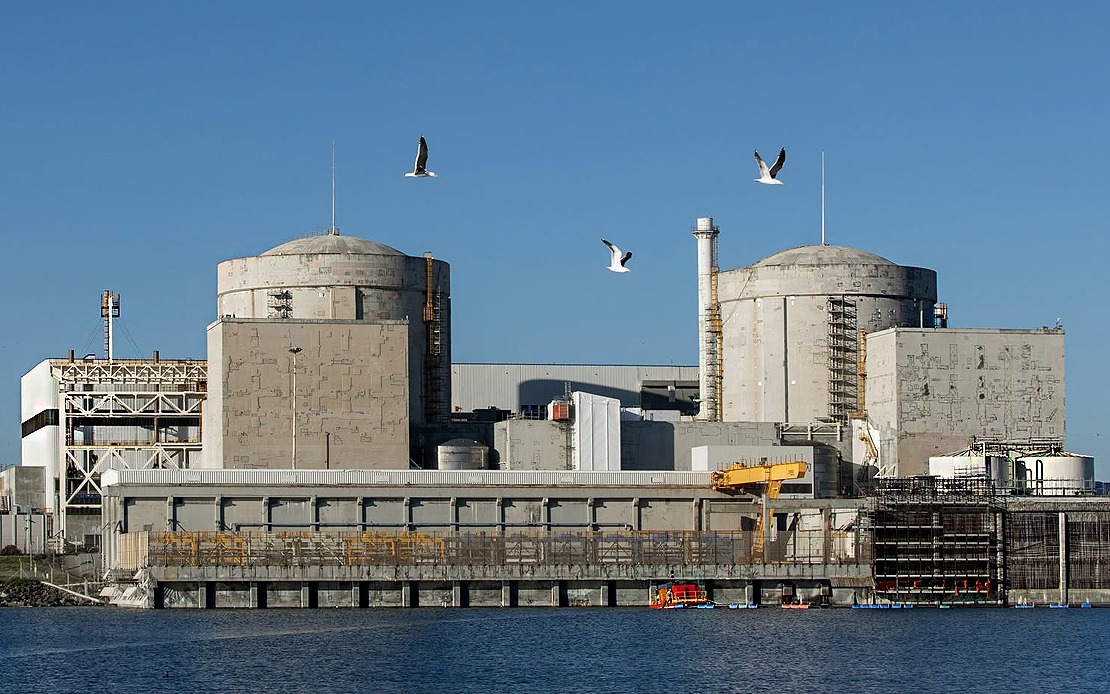
Workers at South Africa's Koeberg Nuclear Power Station experienced radiation exposure during routine maintenance activities spanning three distinct incidents within a two-week window, Energy Minister Kgosientsho Ramokgopa revealed at a media briefing on Sunday. The exposures occurred on June 30, July 2, and July 7 at the facility situated approximately 30 kilometres north of Cape Town, one of the nation's critical infrastructure assets.
Ramokgopa assured the public and media that authorities had successfully contained each incident and that no radioactive material escaped into the surrounding environment. He emphasized that communities adjacent to the plant faced no immediate or ongoing risk from the exposure events. Such reassurances typically serve to manage public perception around nuclear facilities, which remain controversial in South Africa despite their operational significance to the national grid.
The underlying cause of the three incidents traced back to a temporary power outage that disrupted the plant's ventilation systems, according to ministerial statements. When ventilation systems fail at nuclear facilities, radiation containment protocols become compromised, potentially exposing personnel in proximity to active maintenance zones. The disruption highlighted vulnerabilities in backup power systems that are designed to prevent such occurrences.
Official assessments of radiation doses indicated that affected workers received exposure levels substantially lower than those administered during standard dental X-ray procedures, a comparison officials regularly invoke to contextualize nuclear safety communications. Velaphi Ntuli, heading South Africa's nuclear safety division, determined that none of the three events crossed the threshold requiring formal notification under the country's nuclear safety reporting framework. This classification, however, has not entirely quelled concerns about transparency in how such incidents are disclosed to the broader public.
The Koeberg incidents arrive amid South Africa's ambitious nuclear expansion programme, which targets an additional 5.2 gigawatts of generating capacity by 2039. This trajectory positions nuclear energy as integral to the nation's long-term electricity strategy, despite considerable public apprehension regarding safety, waste management, and economic viability of expansion plans. The government has consistently framed nuclear capacity as essential to achieving energy security and environmental objectives.
South Africa confronts an acute electricity crisis that has constrained economic growth and public services for years. Rolling blackouts have become routine across the country, forcing businesses to invest in alternative power generation and battery storage at considerable expense. The state-owned Eskom utility, burdened by aging coal-fired plants and mounting debt, cannot reliably meet demand, creating political pressure for rapid solutions that nuclear advocates argue only nuclear energy can provide at necessary scale and speed.
The nation's electricity generation infrastructure remains heavily concentrated in coal-burning stations, a legacy of abundant domestic coal reserves and historical investment patterns. This dependence perpetuates carbon emissions and air pollution while leaving the sector vulnerable to supply chain disruptions. Transitioning away from coal presents both technical and economic challenges, particularly given workforce considerations in mining regions dependent on fossil fuel extraction.
By 2050, the government has committed to transforming electricity generation so that fossil fuels no longer represent the dominant source, aligning South Africa with global climate commitments. Nuclear energy occupies a central position within this decarbonization roadmap, alongside renewable sources such as solar and wind. However, nuclear projects typically require lengthy construction timelines and substantial upfront capital, factors that complicate deployment schedules and budgeting in a resource-constrained environment.
For regional observers, particularly within Southeast Asia where multiple nations are evaluating nuclear energy expansion, the Koeberg incidents underscore persistent operational challenges at nuclear facilities. Malaysia, Vietnam, and other ASEAN member states monitoring nuclear developments globally can extract lessons from South Africa's experience regarding ventilation system resilience, maintenance protocols, and regulatory disclosure standards. The incident type—ventilation system failure—represents a known vulnerability that facility designers and operators across the sector have worked to address through redundancy and improved backup systems.
The political dimension extends beyond technical safety considerations. In South Africa, nuclear expansion remains contentious among environmental advocates, civil society organizations, and communities concerned about land use, water consumption, and long-term waste storage solutions. Government assertions that incidents remain contained and exposure minimal must compete with accumulated skepticism about official reassurances from institutions historically characterized by opacity and uneven accountability.
Ramokgopa's public disclosure, while transparent by some standards, reflects evolving expectations around nuclear communication in democratic contexts. Contemporary stakeholders increasingly demand granular details about incident causes, remedial measures, and systemic improvements rather than summary dismissals of safety concerns. The characterization of exposure levels relative to dental X-rays, while technically valid, risks oversimplifying the distinction between voluntary medical procedures and occupational exposures workers neither chose nor anticipated.
Moving forward, Koeberg's operational trajectory will likely face closer scrutiny both domestically and internationally. Questions about preventive maintenance schedules, power supply reliability, and staff training protocols will shape public confidence in nuclear expansion ambitions. For South Africa, successfully managing nuclear safety perception constitutes as critical a challenge as engineering reliability, particularly as the nation pursues significant capital commitments to nuclear capacity growth alongside renewable energy deployment in coming decades.

