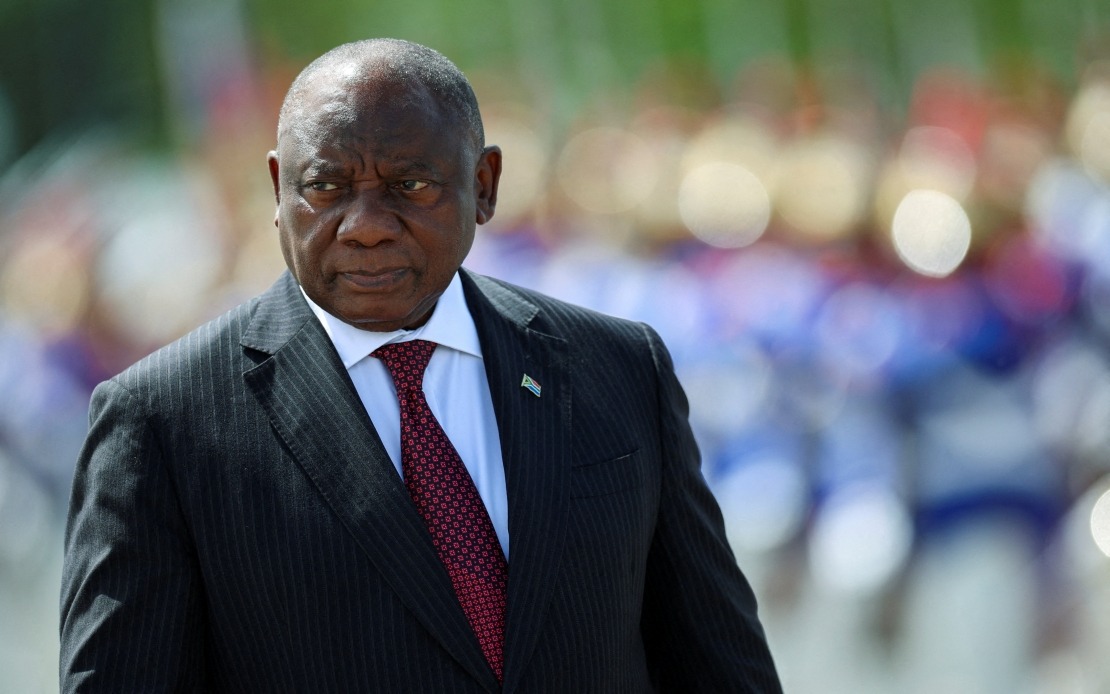
South Africa's Western Cape High Court has dealt a significant procedural blow to lawmakers seeking to impeach President Cyril Ramaphosa, issuing a temporary halt to parliamentary impeachment proceedings in the controversial Phala Phala scandal. The court's majority decision on Friday granted the president an interim interdict that prevents parliament's impeachment committee from advancing its investigation until the judicial system resolves Ramaphosa's separate challenge to the underlying independent panel report that sparked these proceedings.
Ramaphosa's legal strategy centres on gaining time and judicial scrutiny before facing the full force of parliamentary impeachment efforts. In an urgent application filed on June 12, his legal team sought to suspend the impeachment committee's work while mounting a judicial review of the independent panel's conclusions. The president's argument, laid out in court papers, emphasised that parliamentary proceedings should remain frozen pending independent judicial examination of the panel's factual and legal findings—a common legal tactic to challenge the foundations of a process before it advances further.
The underlying scandal involves allegations that approximately US$580,000 in cash was stolen from Ramaphosa's private game farm in Limpopo Province during 2020, a theft that raised fundamental questions about financial transparency and proper governmental reporting. The incident festered for years before becoming a focal point of political scrutiny, with critics questioning whether the president adequately reported the money to appropriate authorities and whether his response to the theft followed proper procedures.
The independent panel, led by former Chief Justice Sandile Ngcobo and completed in 2022, concluded in its formal report that substantial prima facie evidence existed suggesting Ramaphosa may have engaged in grave misconduct connected to the case. However, that same year, the National Assembly voted against formally adopting the panel's report, effectively derailing the initial impeachment drive and leaving the matter in political limbo. This unexpected parliamentary rejection created confusion about whether the impeachment process could be resurrected.
The constitutional landscape shifted dramatically in May when South Africa's Constitutional Court ruled that parliament had acted unlawfully in rejecting the panel's report two years earlier. This decision reopened the path to impeachment proceedings, forcing parliament to reconsider and ultimately reviving the committee process that Ramaphosa now seeks to delay through the courts. The Constitutional Court's intervention demonstrates how South Africa's judicial system continues to shape the boundaries of executive accountability and parliamentary procedure.
Ramaphosa simultaneously pursued a separate judicial avenue in May, filing a challenge asking the Western Cape High Court to review and overturn the panel's original findings entirely. This two-pronged legal approach—fighting both the procedural momentum and the substantive conclusions—reflects a comprehensive strategy to exhaust all available legal remedies. The court's latest ruling clarifies that the interim interdict does not prejudge the merits of either side's arguments in the broader review case.
The substantive judicial review hearing addressing the core question of whether the panel's findings were justified will occur during September 2-4, several months away. This extended timeline provides political breathing room during what remains a sensitive period in South African politics. The delay also allows for continued political manoeuvring and public debate about the scandal's implications for presidential accountability and governance standards.
For Malaysian and Southeast Asian observers, the Ramaphosa case illustrates ongoing tensions in democratic societies between executive power and institutional oversight mechanisms. South Africa's experience demonstrates how independent panels, parliamentary committees, and courts must coordinate to address allegations of misconduct while maintaining procedural fairness. The case raises broader questions about whether political figures facing serious allegations can use judicial processes to delay or obstruct parliamentary accountability, a concern relevant across developing democracies.
The interim interdict does not determine who will ultimately prevail in the substantive dispute. Instead, it represents a preliminary judicial judgment that Ramaphosa has raised sufficiently serious legal arguments to warrant a full hearing, and that preserving the status quo during that hearing process serves broader interests of justice. Parliamentary proceedings are frozen pending this clarification, meaning the impeachment committee effectively cannot function until September's hearing concludes.
South Africa's handling of the Phala Phala scandal reflects how constitutional democracies navigate crises involving sitting presidents. Unlike systems where parliamentary impeachment proceeds without judicial interference, South Africa's constitutional framework permits presidents to challenge both the factual and legal foundations of impeachment drives before parliament completes its work. This judicial intervention capacity distinguishes South African constitutional practice from some comparative models.
The political implications extend beyond Ramaphosa personally, touching on broader questions about presidential conduct, wealth declaration requirements, and whether cabinet-level figures face equivalent scrutiny as ordinary citizens. Supporters argue that strict accountability mechanisms strengthen democratic institutions, while critics contend that prolonged legal battles over executive privilege consume political energy that could address pressing governance challenges.
As South Africa awaits the September hearings, the temporary court order reflects judicial caution about rushing through consequential political processes without adequate legal safeguards. Whether Ramaphosa ultimately succeeds in overturning the panel's findings, preventing the impeachment committee from proceeding, or faces full impeachment proceedings remains uncertain. The coming months will test whether South Africa's institutional checks and balances function effectively when confronting allegations against its highest elected officials.

