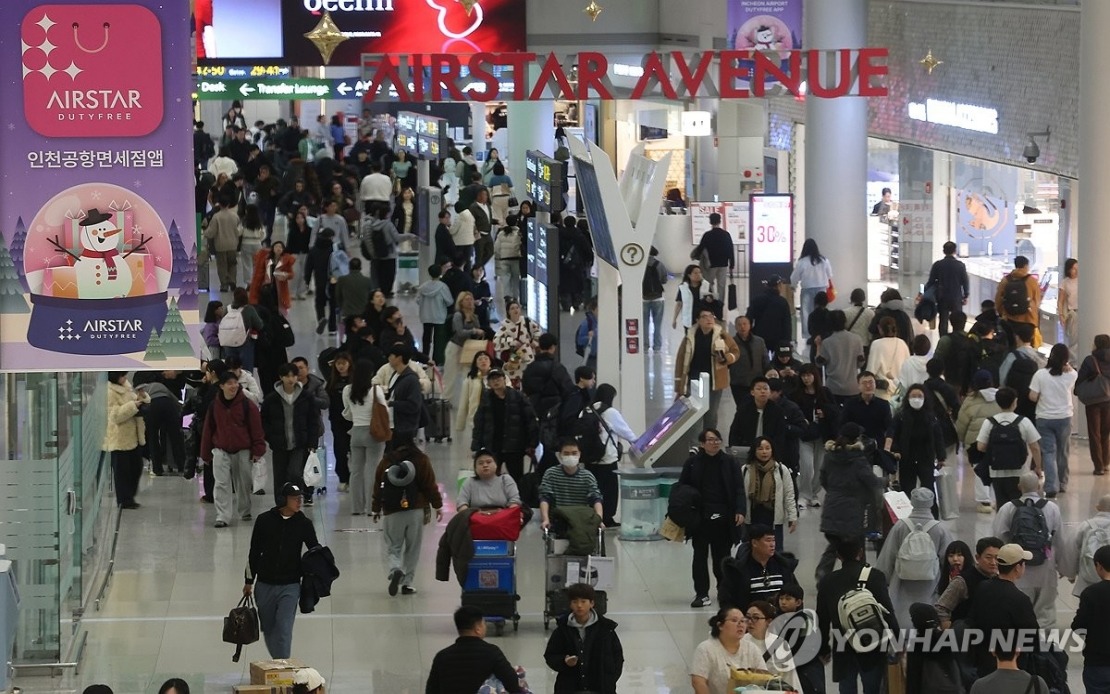
South Korea is experiencing a tourism surge that has positioned the country to potentially set a new annual visitor record. By mid-June, the country had already welcomed more than 10 million international arrivals, a timing that represents a significant acceleration compared to previous years. This milestone was reached approximately one month ahead of schedule relative to 2023, when the same threshold was not attained until mid-July, according to data released by the Ministry of Culture, Sports and Tourism. Notably, this marks the first instance that South Korea has achieved the 10 million visitor mark within the first six months of any calendar year, underscoring the strength of the rebound in inbound tourism.
The recovery in international travel to South Korea has been particularly pronounced in recent months. May alone saw 1.95 million foreign arrivals, representing a substantial 19.4 per cent increase compared to the same month in the previous year. This momentum builds on broader trends that suggest sustained enthusiasm among tourists to visit the nation, despite headwinds such as elevated airline fuel surcharges linked to regional geopolitical tensions in the Middle East. The year-to-date performance through May demonstrated a robust 21 per cent year-on-year expansion in visitor numbers, indicating that the acceleration is not merely a seasonal phenomenon but reflects deeper structural recovery in tourism demand.
Geographic diversity in visitor origins reveals the breadth of South Korea's appeal as a regional destination. Chinese tourists comprise the largest proportion of inbound visitors, accounting for 560,000 arrivals during May alone. Japanese travellers represent the second-largest cohort at 360,000 visitors monthly, while Americans contributed 210,000 arrivals. This composition highlights South Korea's significant magnetism across multiple major source markets spanning East Asia and North America, positioning the country as a genuinely international hub rather than one dependent on a narrow base of origin countries.
A particularly noteworthy development is the geographic distribution of tourism activity beyond Seoul and the immediate capital region. Officials have observed a steady rise in visitor arrivals through regional airports, suggesting that international tourists are increasingly venturing beyond traditional concentration points. The data shows this trend clearly: arrivals channelled through regional airports climbed from 230,000 in January to 360,000 by May. This diffusion of visitors across the country represents an important shift, potentially delivering economic benefits to provincial communities and reducing over-reliance on Seoul-centric tourism infrastructure and services.
Foreign visitor spending patterns have reached historic peaks, signalling not only higher volumes but also sustained consumer confidence and disposable income among international tourists. Foreign card spending in May, encompassing both in-country transactions and online purchases, totalled 2.12 trillion won, equivalent to approximately US$1.38 billion. This represents a watershed moment: it marks the first instance since South Korea began systematically tracking such expenditure data in 2018 that monthly spending has exceeded the 2 trillion won threshold. The magnitude of this spending translates into substantial revenue for South Korean retailers, hospitality businesses, restaurants, and entertainment venues.
The Korean government, recognizing both the current momentum and future potential, has signalled its intention to sustain and amplify tourism promotion efforts. Kang Jung-won, head of the Ministry of Culture, Sports and Tourism's tourism policy office, acknowledged the underlying strength of the rebound, noting that arrivals surged 21 per cent year-on-year through May despite the aforementioned fuel surcharge increases. Looking forward, ministry officials have committed to expanding collaborative partnerships with private-sector entities. These partnerships encompass cultural ambassadors such as K-pop artists alongside export-oriented companies, reflecting recognition that South Korea's global cultural influence and commercial brand extend well beyond traditional tourism marketing.
The strategic integration of K-pop and popular culture into tourism promotion represents a contemporary approach that aligns with South Korea's existing strengths in the global entertainment arena. The genre's massive international fanbase, particularly among younger demographics across Asia, North America, and beyond, provides a natural bridge to tourism. Many international fans travel to South Korea to visit filming locations associated with their favourite artists, attend concerts, or experience the culture depicted in K-dramas and music videos. By formalizing partnerships with K-pop artists and production entities, the government seeks to channel this cultural enthusiasm into sustained tourism flows.
For Malaysia and other Southeast Asian nations, South Korea's tourism performance carries several implications. First, it demonstrates the vibrancy of intra-regional travel demand in East Asia and the broader Indo-Pacific, suggesting that recovery from pandemic-related disruptions remains robust across multiple national markets. Second, the diversification of visitor origins, including significant contributions from within East Asia, indicates competitive dynamics in the region's tourism marketplace. Malaysian tourism operators and government agencies may observe best practices from the Korean model, particularly regarding the leveraging of cultural exports and the spatial distribution of tourism benefits beyond primary urban centres. Third, the sustained growth in spending by foreign visitors underscores the economic value of tourism for national treasuries and employment, making tourism development a strategic priority worthy of investment and innovation.
The trajectory observed in South Korea also highlights the enduring allure of East Asian destinations among international travellers. Despite periodic economic uncertainties, geopolitical tensions, and other challenges, the region continues to attract substantial tourism volumes. This sustained demand reflects the richness of cultural heritage, contemporary attractions, technological infrastructure, and hospitality services that characterise leading East Asian economies. For policymakers across Southeast Asia, the Korean experience provides validation that tourism can generate significant economic returns when supported by coordinated marketing efforts, private-sector engagement, and strategic infrastructure development.
Looking ahead, South Korea's trajectory suggests it will almost certainly establish a new annual visitor record before 2024 concludes. If the pace established through June continues throughout the latter half of the year, annual arrivals could substantially exceed the current trajectory. Officials have begun laying the groundwork for sustained growth through expanded international partnerships and cultural diplomacy, suggesting confidence in the durability of current trends. The alignment of government promotion, private-sector enthusiasm, and international consumer demand creates a favourable environment for continued expansion in the coming years.

