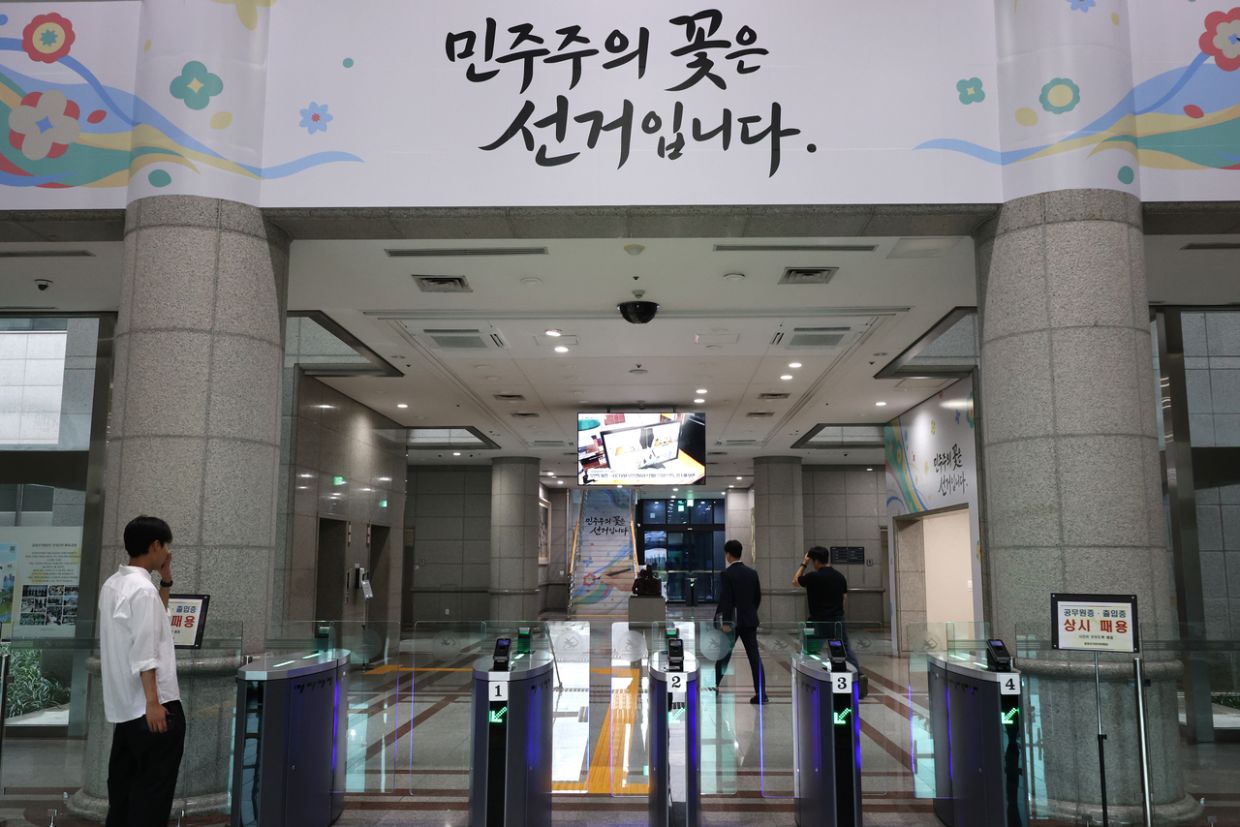
South Korean investigators have escalated their examination of election integrity by conducting a major raid on the National Election Commission's headquarters in Gwacheon, a suburb south of Seoul. The operation, executed on Thursday by a joint task force comprising prosecutors and police officers, represents a serious escalation in a mounting scandal surrounding irregularities discovered during the nation's June 3 local elections. Legal sources revealed that the search warrant was obtained after evidence emerged suggesting NEC staff members had systematically altered statistical records within the agency's computer systems.
The probe centres on allegations that officials within the election watchdog deliberately manipulated data to obscure administrative failures in voter registration procedures. Rather than transparently acknowledging mistakes in their tallying systems, investigators believe certain employees took deliberate steps to obscure the true extent of numerical discrepancies that contributed to the ballot shortage crisis. This apparent cover-up represents a particularly troubling dimension to the electoral problems, suggesting institutional dysfunction extended beyond mere logistical mishaps to encompass deliberate concealment of evidence.
During the June 3 elections, multiple polling stations across South Korea reported insufficient ballot papers available for voters who appeared to cast their votes. The shortages prevented numerous citizens from participating in the electoral process, as they were forced to leave polling stations without being able to vote. This disenfranchisement affected an unknown number of voters nationwide, raising fundamental questions about the integrity of the electoral process and the competence of institutions responsible for managing elections. For a democracy to function effectively, ensuring all eligible citizens can vote without obstruction represents a cornerstone principle.
The establishment of the joint prosecution-police task force indicates that authorities view these irregularities with considerable gravity. By combining resources from both prosecutorial and law enforcement branches, South Korea's investigative apparatus is signalling that the matter transcends routine administrative investigation. The coordination between multiple agencies suggests potential criminal conduct rather than mere human error or systemic inefficiency. The scope of the inquiry appears to be expanding as investigators uncover evidence of deliberate falsification rather than accidental miscalculation.
For Malaysia and other Southeast Asian democracies, South Korea's experience offers cautionary lessons about election administration vulnerabilities. Even in technologically advanced nations with established institutional frameworks, electoral systems remain susceptible to manipulation and administrative failure. The apparent willingness of NEC staff members to alter records raises unsettling questions about institutional accountability and oversight mechanisms. Regional election commissions across Southeast Asia would benefit from examining whether similar vulnerabilities exist within their own systems, particularly regarding data integrity protocols and whistleblower protections.
The targeting of the NEC headquarters during the raid suggests investigators believe critical evidence remains stored within the agency's facilities. Computer systems, documentation, and internal communications may reveal the scope of the alleged manipulation, identify which personnel were involved, and determine whether the cover-up extended beyond individual employees to constitute systemic institutional policy. The physical seizure of evidence represents a crucial investigative step that may prevent the destruction or alteration of potentially incriminating materials.
South Korea's response to these electoral irregularities demonstrates how democracies navigate crises that undermine public confidence in fundamental institutions. The decision to conduct high-profile investigations and raids reflects commitment to accountability, yet also reveals embarrassing gaps in institutional performance. The balance between maintaining public trust through transparent investigation and managing potential damage to democratic institutions presents South Korean leadership with considerable challenges. How the government responds will influence citizen confidence in electoral processes for years to come.
The implications extend beyond immediate administrative concerns to touch upon broader questions of institutional integrity within democratic systems. When citizens suspect that election officials deliberately conceal information about voting irregularities, faith in the electoral process itself deteriorates. Even if specific voting results were ultimately correct, the appearance of institutional dishonesty damages democratic legitimacy. South Korea faces the difficult task of reconstructing public confidence through thorough investigation and meaningful reforms that prevent recurrence.
Investigators will likely examine whether destroyed or altered records can be reconstructed through forensic analysis of computer systems. Digital forensics specialists may be able to recover deleted files or access system logs revealing when alterations occurred and which accounts accessed the manipulated data. Such technical investigation could provide crucial evidence establishing culpability and determining the temporal scope of the concealment effort. The sophistication of potential computer manipulation may indicate whether individuals acting alone perpetrated the scheme or whether organisational resources facilitated the cover-up.
The unfolding investigation will determine whether this represents an isolated incident of individual malfeasance or symptomatic of systemic corruption within South Korea's election management apparatus. Either scenario presents serious challenges to democratic governance, though systemic issues would demand more comprehensive institutional reform. Regional observers will watch closely to understand what reforms emerge and whether other democracies implement similar safeguards to prevent comparable problems from undermining their own electoral integrity.

