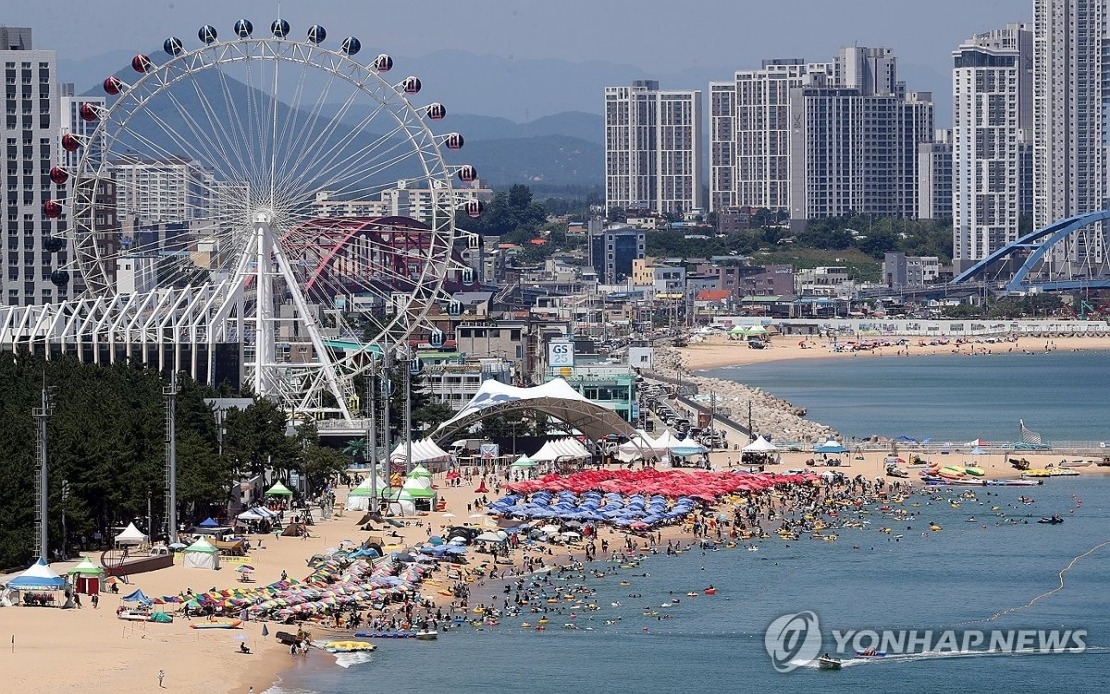
A devastating heat wave gripping South Korea reached a historic milestone on Sunday when the southeastern city of Yangsan recorded 42.5 degrees Celsius, shattering the nation's temperature record since modern meteorological observations began in 1904. The reading, which occurred at 1:26 p.m. local time, represents an alarming escalation of extreme weather patterns that have engulfed the Korean Peninsula and broader East Asian region in recent weeks.
The Korea Meteorological Administration confirmed the extraordinary nature of this record by drawing from data collected across 97 long-term observation stations maintained since the early 1900s. Located approximately 310 kilometres southeast of Seoul, Yangsan has become the focal point of this dangerous heat event, with temperatures climbing progressively throughout the day. The thermometer had reached 42 degrees just ten minutes earlier at 1:16 p.m., demonstrating the alarming rate at which conditions have been deteriorating.
What makes the situation particularly concerning for meteorologists and disaster management officials is the pattern of escalation occurring in Yangsan. Sunday marked the fifth consecutive day during which temperatures exceeded the 40-degree threshold in the city, and forecasters have observed that the timing of when extreme heat thresholds are breached is shifting earlier with each passing day. This trend suggests continued accumulation of atmospheric heat, prompting specialists to warn that readings could potentially climb beyond 43 degrees in the coming days if current weather patterns persist.
Neighbouring areas are also experiencing dangerous conditions that reflect the broader scope of this heat emergency. Gyeongju, situated roughly 240 kilometres southeast of the capital, recorded 40.2 degrees Celsius on Sunday afternoon, marking the first occasion this year that temperatures broke the 40-degree barrier in that city. The measurement represents the highest temperature documented in Gyeongju for eight years, since 2018 when the mercury reached 39.8 degrees. This widening of the heat emergency beyond single localities underscores the regional character of the crisis.
The South Korean government responded to the escalating emergency by activating Level 2 emergency operations of its disaster response headquarters at 1 p.m., signalling a significant elevation in the national response framework. This step reflects official acknowledgement that the heat wave has transcended manageable thresholds and now requires coordinated, government-wide intervention across multiple sectors and jurisdictions. The activation triggers enhanced protocols designed to address public safety across the nation.
Public health and safety guidance issued through official channels urges citizens to minimize outdoor activities and strictly adhere to established heat safety protocols. These advisories represent standard practice during extreme weather events but take on heightened urgency given the record-breaking temperatures being experienced. The warnings are particularly directed toward vulnerable populations including elderly residents, young children, and individuals with pre-existing health conditions who face disproportionate risks during prolonged heat exposure.
Prime Minister Han Seong-sook underscored the severity of the situation by issuing emergency directives to all government ministries and provincial authorities, mandating enhanced safety monitoring of heat-vulnerable populations. These instructions prioritize identification and protection of individuals at greatest risk, ranging from homeless persons to those living in inadequate housing without air conditioning. The prime ministerial orders also emphasize maintenance of critical infrastructure, particularly ensuring uninterrupted electricity and water supplies that become essential when populations rely heavily on cooling systems and increased water consumption.
The broader context for Southeast Asian observers lies in recognizing how climate change is intensifying heat events across East and Southeast Asia. South Korea's record now joins a troubling series of temperature milestones being reset with increasing frequency across the region. The implications extend beyond South Korea's borders, as heat waves often follow weather pattern configurations that affect multiple nations simultaneously, suggesting potential risks for neighbouring territories including parts of China, Japan, and potentially influencing conditions in more distant regions across Southeast Asia.
For Malaysia and other ASEAN nations, this event serves as a cautionary reminder of the escalating climate risks facing the broader Asian region. While Southeast Asia's tropical location means consistently high baseline temperatures, the phenomenon of record-breaking heat waves becoming more frequent demonstrates how climate patterns are fundamentally shifting. These developments underscore the importance of strengthened regional cooperation on climate adaptation, disaster preparedness, and early warning systems that could protect vulnerable communities across Southeast Asia from similar heat emergencies.
The economic and social dimensions of sustained extreme heat demand attention as well. Power grids face enormous stress from surging demand for air conditioning, potentially causing blackouts that compound public health dangers. Healthcare systems become overwhelmed with heat-related illnesses, while productivity declines across economic sectors. South Korea's response mechanisms, despite their sophistication, reveal the substantial challenges that even developed nations face when confronting extreme weather intensified by climate change. For developing and middle-income Southeast Asian countries, the lessons suggest urgent need for investment in resilient infrastructure, public health capacity, and early warning systems to manage increasingly frequent and severe heat events that will characterize the climate-altered future.

