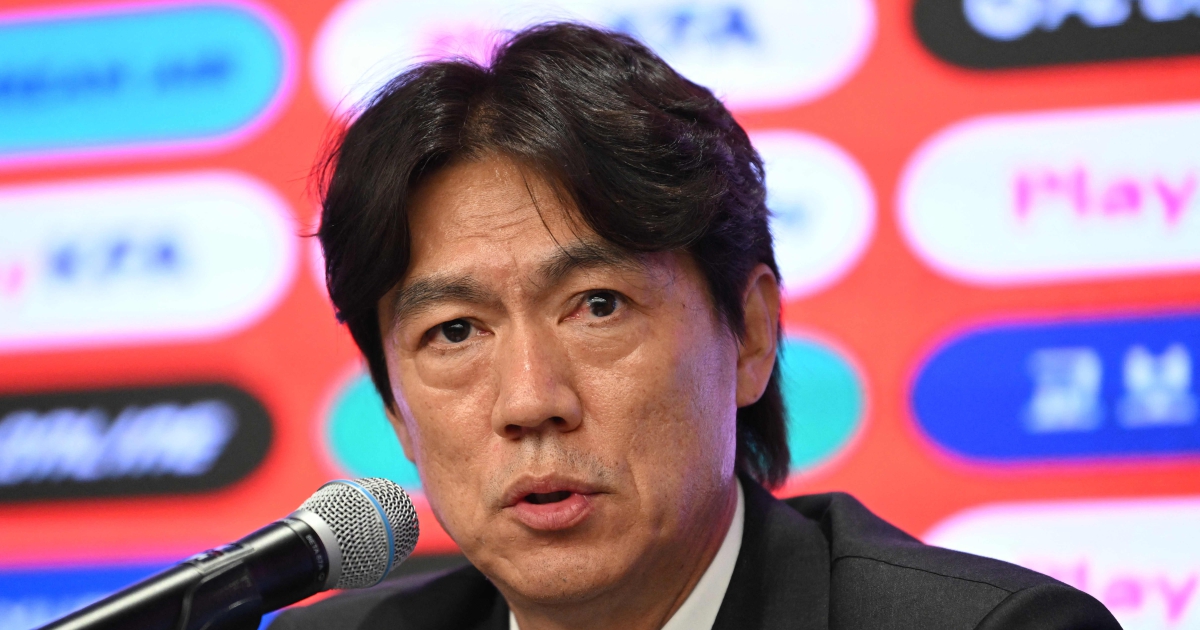
South Korean police conducted searches at the Football Association headquarters on Thursday, intensifying scrutiny over the controversial appointment process that placed the national team's World Cup coach in his position. The raid represents a significant escalation in what has become a high-profile inquiry into governance and decision-making at the nation's top football body.
The investigation centres on the manner in which the head coach was selected to lead the squad during their recent World Cup participation, which ended disappointingly and has drawn considerable criticism from fans, media, and sporting officials. Rather than a straightforward administrative matter, the appointment has become ensnared in questions about transparency, procedure, and potential irregularities that warranted police involvement.
South Korea's World Cup campaign fell short of public expectations and historical standards for a nation that has established itself as a consistent performer at football's biggest tournament. The squad's underwhelming showing has prompted intense scrutiny of the decision-making processes that led to the coaching appointment, with observers questioning whether proper protocols were observed and whether merit alone determined the selection.
The timing of the raid underscores how seriously investigators are treating the allegations. Rather than relying solely on administrative reviews or internal investigations, the involvement of police signals that authorities believe potential criminal matters may be at stake. Such intervention in sports governance matters is relatively uncommon and indicates the severity of concerns that have emerged.
For Malaysian football enthusiasts and sporting administrators across Southeast Asia, the South Korean situation offers important lessons about institutional accountability in sports organisations. As member states of the Asian Football Confederation, regional football bodies operate within similar governance frameworks, making the South Korean case particularly instructive about vulnerabilities that can emerge in coaching appointment procedures.
The Football Association faces mounting pressure to demonstrate that its selection process met international standards for transparency and fairness. The raid will likely uncover extensive documentation regarding the decision-making process, communications between officials, and the criteria used to evaluate coaching candidates. Such scrutiny can be uncomfortable for any organisation but represents a necessary mechanism for ensuring public confidence in governance.
This situation highlights broader tensions within Korean football between expectations for elite performance and the institutional mechanisms supposedly designed to achieve such ambitions. When results disappoint, questions inevitably arise about whether the right leadership was chosen, and whether selection processes prioritised factors beyond coaching competence—such as personal connections, financial interests, or political considerations.
The World Cup represents the pinnacle of international football, making selections for that tournament particularly consequential. A poorly chosen coach cannot simply be replaced mid-tournament, meaning the stakes for such appointments are extraordinarily high. South Korea's football authorities bear responsibility for ensuring that the most rigorous, merit-based selection process determines such crucial leadership positions.
For Southeast Asian football bodies watching developments unfold, the South Korean case underscores the importance of documented, transparent selection procedures that can withstand external scrutiny. As football increasingly attracts investment and attention across the region, maintaining integrity in governance becomes essential for attracting continued support and investment.
The investigation's outcome will likely shape how the Korean Football Association operates going forward, potentially establishing precedents that influence sporting governance across Asia. Whether investigators identify procedural breaches, misconduct by officials, or other irregularities, the process itself serves a deterrent function for future appointments.
South Korea's football community now faces a period of uncertainty as the investigation proceeds. The nation's football officials will need to cooperate fully with authorities while simultaneously working to restore confidence in the institution's ability to make sound decisions about national team leadership. This balance between accountability and continuity represents a significant challenge.
The broader implications extend beyond one appointment or one nation's football system. As professional sports governance becomes increasingly complex and high-stakes, mechanisms for ensuring transparency and accountability become essential safeguards. The Korean example demonstrates that even established football nations must remain vigilant about institutional integrity.

