A high school student from Jeju Island in South Korea is under police investigation after allegedly contaminating an elementary school teacher's personal items and workspace on multiple occasions between April and June, authorities revealed on June 16. The incidents, which have caused significant psychological harm to the targeted educator, underscore growing concerns about behavioural issues and boundary violations within South Korean educational institutions, raising questions about campus security and student oversight mechanisms.
According to statements from Seogwipo Police Station and the Jeju Teachers' Union, the student gained unauthorised access to a classroom at an elementary school located near his own high school in the coastal city. During the first incident in April, he allegedly left semen in a personal drinking tumbler belonging to the teacher. The brazen nature of the violation—targeting an intimate personal item—suggests a deliberate act rather than random mischief, intensifying the psychological impact on the victim.
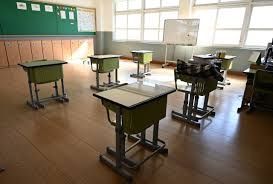
The pattern of behaviour escalated on June 4, when the student returned to the same classroom and urinated on the teacher's chair before leaving the scene. The repetition of these violations and their increasing severity point to a calculated campaign of harassment rather than isolated incidents. Educational administrators and law enforcement officials have expressed concern about the targeted nature of these acts and what they may indicate about the student's mental state or motivations.
The school promptly reported both incidents to local police, who launched a comprehensive investigation. Officers examined CCTV footage from the corridor outside the classroom, which enabled them to identify the student responsible. Police apprehended the teenager on June 8 on preliminary charges of property damage and trespassing, marking a significant step in holding the student accountable for his actions.
During interrogation by police, the student presented a defence that has raised eyebrows among investigators. He claimed to have no prior connection to the teacher and denied any sexual motivation for his actions, instead asserting that he had entered the classroom while searching for a restroom. This explanation appears implausible given the targeting of the teacher's personal belongings and the repeated nature of the visits, leading investigators to scrutinise the truthfulness of his account.
The Jeju Teachers' Union has issued a formal statement calling for a thorough and transparent investigation into the matter. The union emphasised that the affected teacher has suffered severe emotional and psychological distress from the incidents, to the extent that she has been unable to return to her classroom. The union's intervention reflects broader anxieties within South Korea's education sector about protecting educators from harassment and ensuring safe working environments within schools.
Police have indicated that determining whether these acts were sexually motivated and whether they were directed specifically at this individual teacher represents a central focus of their ongoing investigation. The distinction is crucial from both a legal and psychological perspective, as acts motivated by sexual interest carry different implications for the student's culpability and future risk assessment than those driven by other compulsions or grievances. Investigators are treating the case with heightened seriousness given the invasive nature of the violations.
As part of their expanded investigation, authorities are preparing to seek search warrants for the student's mobile phone, computer, and other digital devices. These searches could potentially reveal communications, search histories, or other digital evidence that might illuminate the student's state of mind, whether he conducted reconnaissance of the teacher or classroom, or whether he communicated with others about his intentions. Digital forensics has become increasingly important in understanding the full context of alleged crimes involving targeted behaviour.
This incident occurs within a broader context of concerns about school safety and student conduct in South Korea. The country's highly competitive educational system and intense academic pressures have occasionally been linked to behavioural and mental health issues among adolescents. While such extreme incidents remain comparatively rare, they highlight the need for robust security measures, trained staff capable of recognising warning signs of problematic behaviour, and accessible mental health support for students experiencing psychological difficulties.
The case also raises important questions about institutional accountability and security protocols at South Korean schools. The student's ability to repeatedly access the classroom and the teacher's workspace without immediate detection suggests potential gaps in campus monitoring and access control. Schools may need to review their security arrangements and visitor management procedures to prevent similar incidents in the future.
For Malaysian readers, this incident serves as a reminder of challenges that educational systems across East and Southeast Asia face in balancing student welfare with campus security and staff protection. While such extreme behavioural incidents are uncommon, the case underscores the importance of comprehensive approaches to school safety that include physical security measures, mental health support, and clear protocols for responding to allegations of harassment or misconduct.