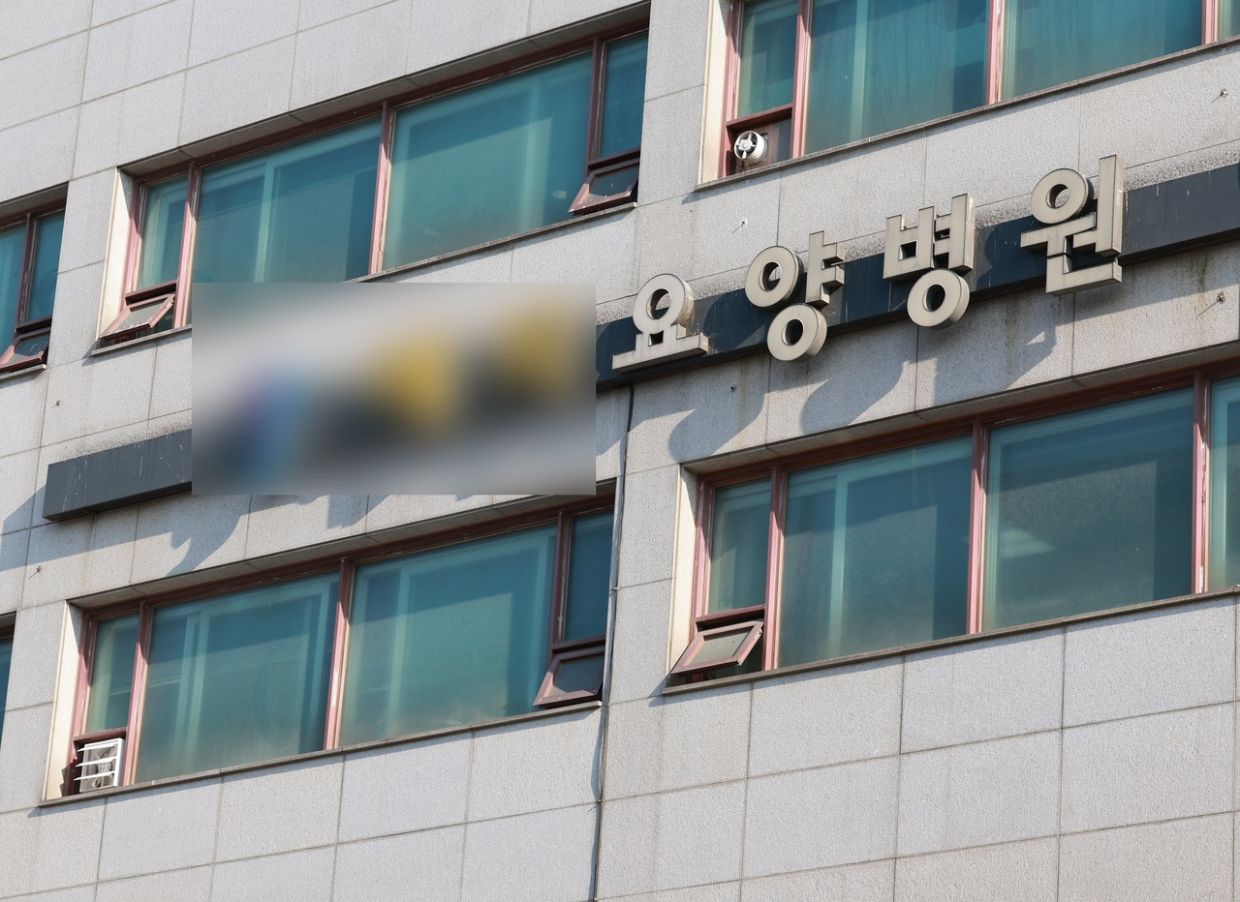
Incheon police have concluded their initial investigation into a disturbing discovery at a recycling centre, confirming that a human leg found on 10 June was accidentally thrown away by staff at a local nursing hospital in Jung-gu. The revelation, officially announced on 19 June, emerged two days after hospital officials voluntarily reported the incident to police, marking an unusual case that has raised serious questions about medical waste handling protocols and facility oversight in South Korea's healthcare system.
The leg belonged to a woman in her 80s who had undergone an amputation at the nursing hospital. According to police statements, the body part was initially classified as medical waste but was improperly disposed of by a member of the cleaning staff, a person in their 60s, who mistook it for a mannequin or other non-hazardous material. This critical error in judgment set off a chain of events that would eventually lead to a comprehensive police and forensic investigation, highlighting vulnerabilities in waste segregation procedures at the facility.
Discovery of the leg at the Southern Regional Resource Recovery Centre prompted immediate police action. After forensic specialists from the National Forensic Service conducted preliminary analysis and determined the remains belonged to an adult human, investigators began tracing the source. Hospital administrators subsequently contacted police to acknowledge that the amputated limb appeared to have originated from their facility, a disclosure that accelerated the identification process considerably.
DNA analysis confirmed beyond doubt that the leg belonged to the elderly female patient who had been treated at the Jung-gu nursing hospital. The forensic findings eliminated any suspicion of foul play or criminal activity in the disposal itself, shifting the focus of the investigation toward regulatory violations rather than criminal wrongdoing. However, this conclusion opened a different line of inquiry: whether the hospital had breached South Korea's stringent waste management regulations.
Under the country's Wastes Control Act, medical waste must be disposed of in specially designated government containers, following strict protocols designed to prevent contamination and ensure proper treatment. Investigators are now examining whether the Jung-gu facility adhered to these mandatory procedures when handling the amputated limb. The carelessness of a single staff member, combined with apparently inadequate oversight mechanisms, has exposed systemic gaps in waste management at the hospital that regulators are keen to address.
Beyond waste disposal violations, police are simultaneously reviewing whether the amputation procedure itself complied with South Korea's Medical Service Act. An allegation has surfaced that the nursing hospital lacks the necessary equipment and infrastructure to perform amputations, raising the troubling possibility that the procedure may have been conducted without proper authorisation or facilities. Police have refrained from making definitive statements on this matter, indicating the investigation remains ongoing and preliminary.
The complexity of determining culpability reflects the overlapping regulatory frameworks governing both medical practice and waste management in South Korea. Police officials have acknowledged they have yet to identify specific criminal penalties under the Medical Service Act applicable to this situation. To ensure a thorough and legally sound conclusion, authorities intend to consult with the Korean Medical Association, the Ministry of Health and Welfare, and independent legal experts before finalising their assessment of potential violations.
Context provided by the patient's family reveals a vulnerable situation typical of elderly patients in South Korea's healthcare system. The woman had been rejected by multiple hospitals due to her declining health condition, forcing her family to seek care at the nursing facility where the incident occurred. This background suggests potential desperation on the family's part and raises broader questions about how nursing homes and smaller medical facilities handle complex cases when mainstream hospitals decline to admit patients with serious health complications.
The case serves as a cautionary tale for healthcare administrators across South Korea and has significant implications for Southeast Asian nations with comparable medical waste challenges. It demonstrates how even routine procedures can generate unexpected complications when infrastructure and staff training fall short of regulatory standards. The incident has sparked renewed calls for stricter oversight of nursing homes and smaller medical facilities, which often operate with less scrutiny than major hospital chains.
For Malaysian readers and regional healthcare stakeholders, this incident underscores the importance of robust waste management systems in medical settings. Many Southeast Asian countries have experienced similar lapses in biomedical waste handling, where human remains or potentially infectious materials have been improperly disposed of, creating both public health risks and ethical concerns. The South Korean case illustrates how regulatory bodies must balance investigative thoroughness with swift action to prevent recurrence.
The investigation's trajectory also highlights the value of healthcare facilities proactively reporting potential violations rather than attempting to conceal them. The hospital's voluntary disclosure to police within days of discovering the error may ultimately work in its favour during any legal proceedings, though authorities have made clear that accountability measures remain appropriate. This approach contrasts sharply with instances in other jurisdictions where similar incidents have been covered up, resulting in more severe penalties when eventually discovered.
As the investigation progresses, the Korean Medical Association, health ministry officials, and legal experts will likely develop clearer guidelines for medical waste handling across nursing homes and smaller healthcare facilities. Any findings and recommendations emerging from this case will probably inform policy discussions throughout Southeast Asia, where similar regulatory gaps exist in healthcare waste management. The incident has inadvertently created an opportunity for systemic improvement, turning an embarrassing mistake into a catalyst for enhanced standards.

