A high-profile Seoul restaurateur operating a two-Michelin-star establishment now confronts serious legal jeopardy after prosecutors sought a one-year prison sentence and substantial monetary penalty for incorporating prohibited insects into his culinary offerings. The case centres on the unauthorised use of black ants as garnish on palate-cleansing sorbets, an unconventional ingredient choice that violated South Korean food safety legislation despite the restaurant's standing in the country's elite dining scene.
The controversy emerged following an investigation launched by authorities last year into the restaurant's sourcing and preparation practices. Prosecutors revealed that the chef deliberately topped frozen desserts with between three and five ants imported from Thailand and the United States, explicitly intending to impart a sour flavour to the dish. This seemingly innovative culinary decision has transformed into a serious criminal matter, with Seoul prosecutors formally requesting the jail term and an additional 20 million won fine at a court hearing held on Monday.
South Korea maintains a carefully regulated list of insect species deemed safe for human consumption, reflecting the country's broader food safety framework. The approved inventory encompasses only ten varieties, including grasshoppers and brown mealworm larvae, which have undergone rigorous assessment and certification processes. Black ants, regardless of their origin or preparation method, do not appear on this authorised list, making their use in a commercial food setting an unambiguous violation of national regulations.
The scale of the alleged violations spans nearly four years, extending until January 2025, during which the restaurant reportedly generated approximately 120 million won in revenue from the ant-garnished sorbets alone, representing roughly 12,000 individual sales transactions. This extended period of non-compliance suggests the practice constituted an established menu feature rather than an isolated culinary experiment, raising questions about how such a deviation from safety standards persisted undetected within a prestigious establishment.
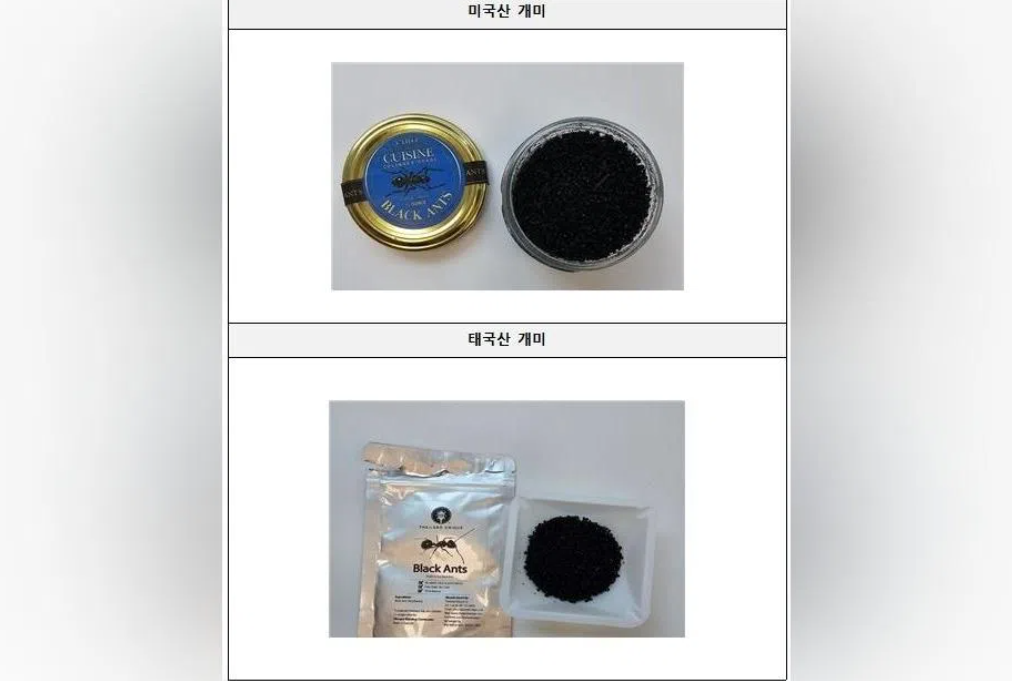
Authorities released documentary evidence including photographs of a branded tin labelled "Cuisine Black Ants", demonstrating deliberate sourcing and handling of the prohibited ingredient. This physical evidence contradicts any suggestion of accidental contamination or inadvertent inclusion, instead indicating systematic incorporation of the ants as a planned component of the dining experience.
The restaurant's legal team has advanced a mitigating argument, contending that ant-topped confections were offered exclusively to diners who had provided explicit informed consent beforehand. This defence strategy attempts to reframe the violation as a consensual and transparent culinary choice rather than deceptive or dangerous practice. However, such prior customer agreement does not override South Korea's absolute prohibition on serving non-approved insect species in commercial food establishments, regardless of diner willingness.
For Malaysian and Southeast Asian food industry observers, this case underscores the stringent regulatory environment governing premium dining venues in developed East Asian markets. While innovative fusion cuisine and unconventional ingredient experimentation have become hallmarks of Michelin-starred establishments globally, South Korea's approach demonstrates that regulatory compliance remains non-negotiable even at the highest culinary echelon. This stands in contrast to the relatively more permissive regulatory frameworks in some Southeast Asian jurisdictions regarding experimental dining.
The defendant has publicly acknowledged culpability in his closing statement, expressing regret and attributing the infraction to insufficient understanding of applicable regulations. This admission, while potentially demonstrating remorse, cannot override the systematic nature of the violations or their commercial scale. The acknowledgment may influence sentencing considerations when the Seoul Western District Court renders its verdict, anticipated for early September.
The implications extend beyond individual culinary practice to broader questions of regulatory enforcement and accountability within South Korea's restaurant industry. A conviction and substantial penalty would signal that prestigious Michelin recognition neither exempts establishments from safety standards nor provides defence against regulatory prosecution. For restaurateurs across Southeast Asia and beyond, the case reinforces that sourcing decisions, however experimentally motivated or conceptually sound, must remain subordinate to official food safety classifications.
The financial penalty component, combined with potential imprisonment, represents particularly severe consequences that may deter similar practices within the high-end dining sector. A 20 million won fine, equivalent to approximately USD $13,500, along with possible jail time for a restaurant owner, establishes a stark precedent regarding the consequences of ingredient non-compliance.
This matter also highlights evolving tensions between culinary innovation and regulatory rigidity in an era when experimental dining has gained considerable prestige and commercial success. While chefs increasingly push boundaries in pursuit of novel gustatory experiences, government authorities maintain responsibility for protecting public health through ingredient oversight. The Seoul case illustrates this fundamental tension playing out through formal legal proceedings.
As the court prepares to deliver its judgment, the restaurant industry in South Korea and neighbouring East Asian markets will closely monitor the outcome. The severity of any imposed penalties will substantially influence future compliance behaviour among culinary professionals and potentially reshape attitudes toward ingredient experimentation within premium establishments. For now, the case remains a striking reminder that regulatory frameworks do not bend to artistic ambition or commercial success.

