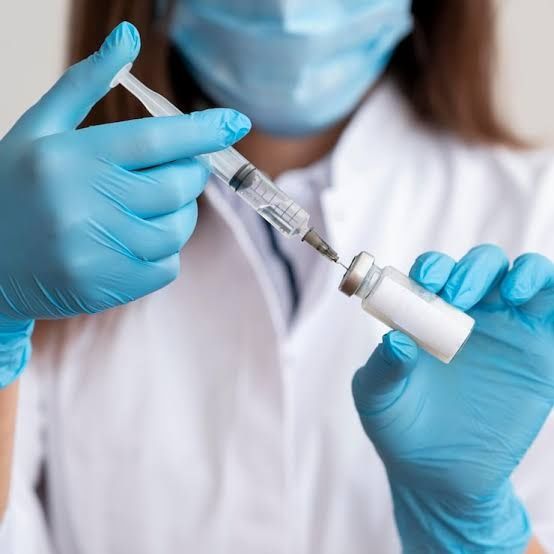
A nurse assistant in her twenties has been taken into custody in Seoul following an incident in which she self-administered propofol on her very first day of employment at a dermatology clinic located in the Gangnam-gu district. Seoul Gangnam Police Station confirmed the arrest on July 7, with the woman facing charges under the Narcotics Control Act as authorities move forward with their investigation into the circumstances surrounding the incident.
The incident unfolded when the woman discovered a leftover syringe containing propofol in a waste receptacle at the clinic and subsequently injected herself with the substance. Propofol, a potent intravenous anaesthetic agent that works rapidly to induce sedation, is a controlled substance whose misuse carries significant health risks. The consequences of propofol abuse extend beyond immediate discomfort, potentially causing severe medical complications and, in extreme cases, fatal outcomes. The woman's decision to use the drug in this manner raises troubling questions about workplace safety protocols and the vulnerability of healthcare settings to substance diversion.
Authorities have released the suspect on bail rather than detaining her physically, though the investigation remains active. A critical aspect of the ongoing inquiry centres on whether the woman has a pattern of habitual drug use or whether this represents an isolated incident prompted by circumstantial access to the controlled substance. This distinction carries importance for understanding both her individual circumstances and broader systemic vulnerabilities within healthcare facilities across the nation.
The arrest occurs against the backdrop of an escalating public health concern in South Korea regarding the misuse of medical-grade narcotics. Healthcare critics and policy observers have increasingly voiced concerns about inadequate safeguards governing how these powerful medications are stored, handled, and ultimately disposed of within clinical and hospital settings. The case at the Gangnam-gu dermatology clinic exemplifies the very vulnerabilities these voices have highlighted: a controlled substance was not securely managed, remained accessible within a waste stream, and fell into the hands of someone untrained in its safe administration.
Recent statistical data underscores the scope of narcotic consumption within South Korean healthcare. According to figures released in June by the Drug Ministry and the Korea Institute of Drug Safety and Risk Management, approximately 20.2 million patients received at least one prescription for a medical narcotic in 2025. This figure represents a substantial proportion of South Korea's population, equating to roughly four in every ten citizens. The sheer scale of narcotic distribution across the healthcare system creates both a public health necessity and a significant management challenge.
The trajectory of medical narcotic use in South Korea demonstrates a consistent upward trend, with experts attributing this partly to demographic ageing, increased chronic pain diagnoses, and the expansion of palliative care services. However, this expansion in legitimate medical applications has coincided with growing instances of diversion, misuse, and abuse. The distinction between appropriate therapeutic use and harmful addiction becomes increasingly blurred as access to these substances proliferates throughout the healthcare supply chain.
For Malaysian readers and those across Southeast Asia, the South Korean case serves as an instructive cautionary tale. Many countries in the region maintain comparable or even more permissive regulatory frameworks around narcotic management in healthcare facilities. The absence of robust tracking systems, inadequate staff training on proper disposal, and insufficient physical security measures around controlled substances remain common vulnerabilities. As healthcare infrastructure expands across Southeast Asia, learning from international incidents becomes crucial for preventing similar problems from taking root locally.
The incident also raises employment and occupational safety considerations. That a first-day employee had unsupervised access to waste materials containing controlled substances suggests gaps in onboarding procedures, supervision protocols, and facility design. Most modern healthcare facilities in developed economies implement segregated, secure disposal systems for narcotics that prevent casual access, yet such safeguards remain inconsistently applied even in affluent nations like South Korea.
Policymakers in South Korea are likely to face renewed pressure to strengthen regulations governing narcotic stewardship in healthcare settings. Potential reforms could include mandatory secure disposal containers, improved inventory tracking systems, stricter access controls based on job role, and enhanced staff training on recognising and reporting suspicious activity. Such measures would impose administrative burdens on healthcare providers but could substantially reduce opportunities for substance diversion.
The case also highlights the psychological and social dimensions of narcotic abuse. That an individual would resort to self-administration of a powerful intravenous anaesthetic on her first day of work suggests underlying vulnerability, whether stemming from addiction, mental health conditions, or desperate circumstances. Addressing narcotic abuse comprehensively requires not only tightening physical security but also expanding access to addiction treatment, mental health services, and occupational support programmes.

